Inside Expo West 2026: The Trends That Matter

Inside Expo West 2026: The Trends That Matter

Inside Expo West 2026: The Trends That Matter

Each spring, Anaheim becomes the center of the CPG universe. Founders arrive with their passionate ideas, buyers hunt for the next breakout brand, and thousands of industry obsessives descend on Expo West to taste, debate, and trend-spot their way through the future of CPG. Team Seurat joined the fray once again this year—zig-zagging the halls of Expo West 2026 to scout the signals shaping the next wave of CPG. 

Of course, no Expo is complete without the unofficial currency of the show – the swag bags. This year’s contenders generated almost as much buzz as the products themselves, from Goyard-inspired totes to puffy Muscle Milk bags and Goodles collectible “Brand BFF” charm bracelets (yes, we proudly collected them all).

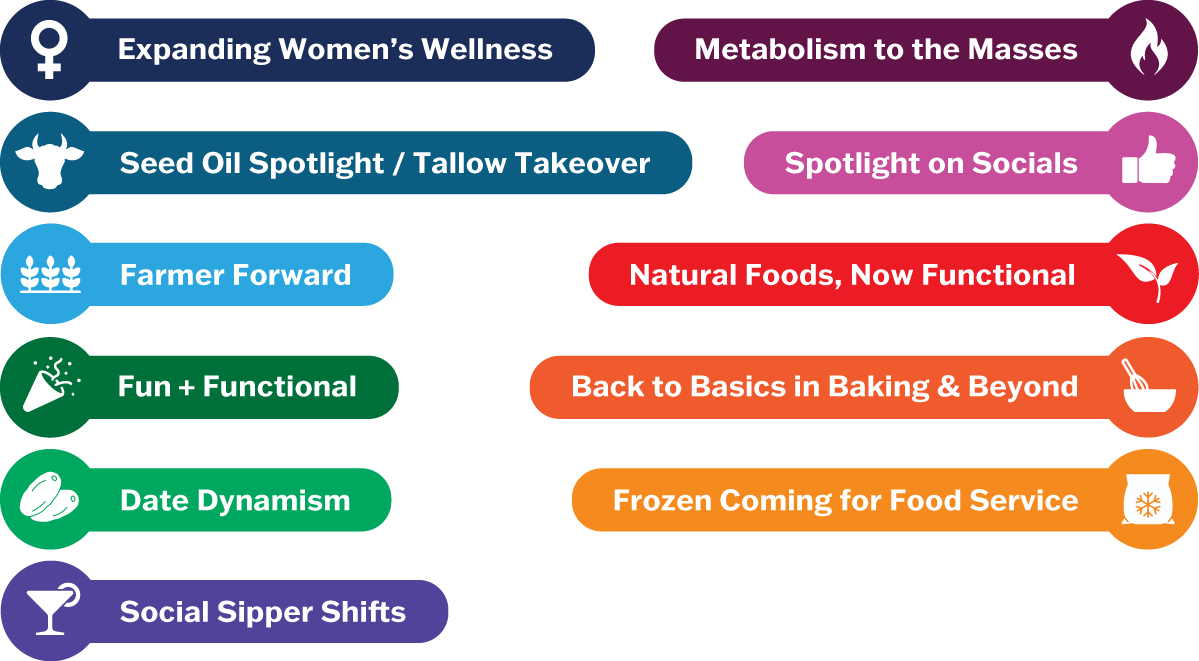
But beyond the tote bags and taste tests, Expo West remains the prime spot to take the pulse of where CPG is heading next. Many of the trends we identified last year are still going strong. The long-running protein parade marches on, taking on new and ever more creative forms. The Asian Frozen Feast has expanded into a broader frozen-versus-foodservice battle. And the “non-alc” space continues to evolve alongside shifting social rituals, building on the Mocktail Mojo we spotted. Several emerging themes have also clearly stepped into the spotlight — from the Great Animal Revival to Even Energy to what we’ve affectionately dubbed Honey, It’s Date Night. While we typically keep our roundup to a tidy top 10, this year Expo was extra – and so are we. So 11 trends it is. Here’s what we’re watching…

Expanding Women’s Wellness

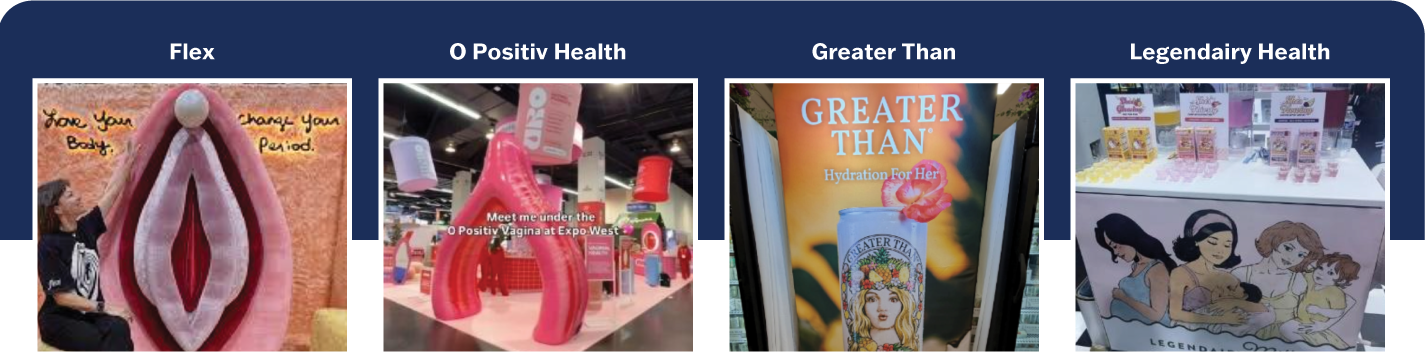
Women’s wellness wasn’t hiding at Expo West this year—it was on full display. From larger-than-life displays to boldly branded booths, women’s bodies and health needs were made overtly visible in a way that pushed stigma to the sidelines. The category no longer feels interested in whispering; instead, it is showing up with more confidence, candor, and cultural presence.

What felt especially notable was how far the conversation extended beyond period care. We saw solutions spanning adjustable menstrual discs, sexual wellness, and support for women across cycles and life stages—from pregnancy and breastfeeding to concerns like “mommy brain,” menopause, feminine balance, and hydration tailored to women’s needs. As awareness grows around the fact that women’s bodies have distinct needs—and that many of those needs have long been overlooked in a male-default world—brands across categories are beginning to respond more directly. What was once sidelined or simplified is increasingly being treated with greater specificity, nuance, and legitimacy.

Seed Oil Spotlight / Tallow Takeover

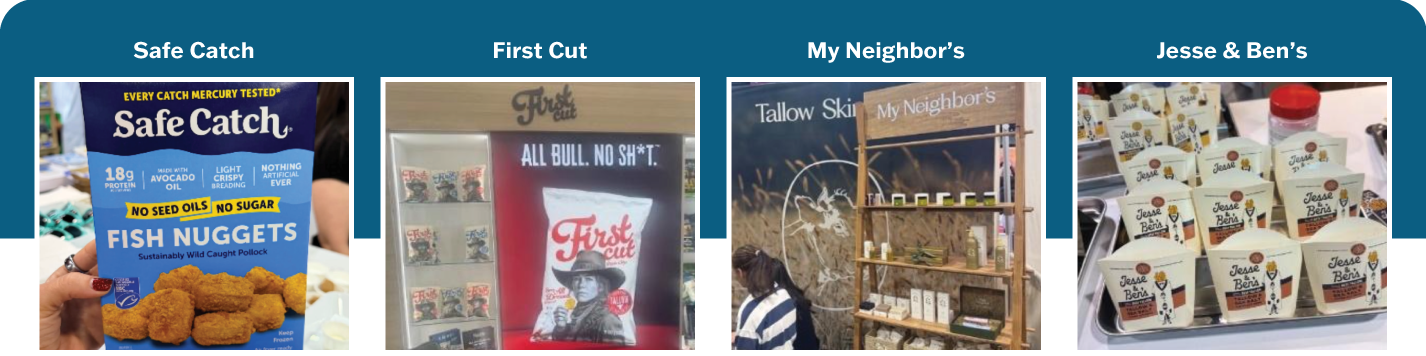
You almost could have played punch buggy with “no seed oils” claims at Expo West this year. Across food and beverage, the callout was everywhere—showing up on everything from bars and chips to coffee creamers, and starting to feel like one of the defining badges of the show floor. More than just an ingredient claim, “no seed oils” often functioned as shorthand for cleaner, more trustworthy formulation.

At the same time, tallow was turning up in places that would have felt surprising not long ago, from chips to skincare, signaling a broader return to traditional fats. Beneath the headline-worthy claims is a bigger shift in how consumers are thinking about fat itself. As skepticism grows around industrial food systems and highly processed ingredients, more brands are tapping into the idea that older, more familiar fats may feel more natural, wholesome, and trustworthy. What once seemed like settled nutritional wisdom is now back on the table, with consumers reexamining which fats they want in their food—and even on their skin.

Tallow: 

No Seed Oils: 

Farmer Forward

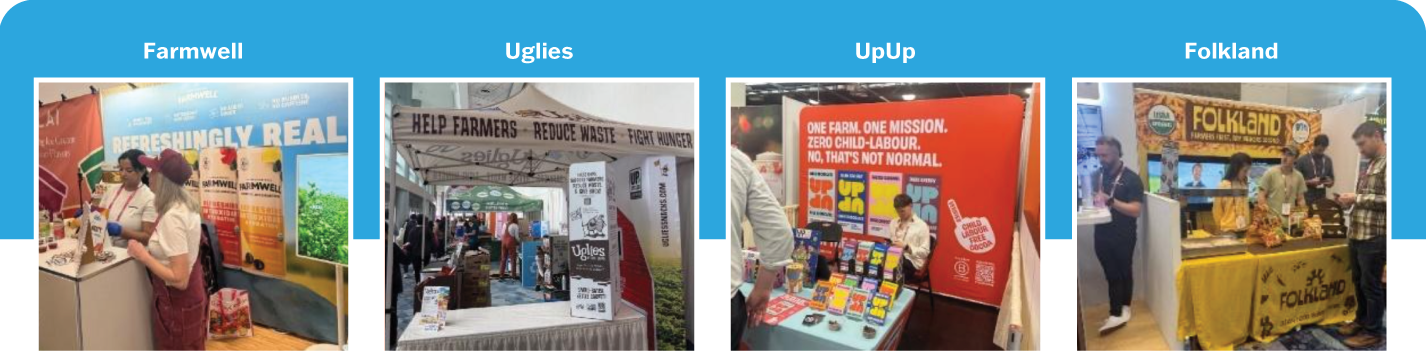
One word seemed to show up everywhere at Expo West this year: farmer. From booth signage to packaging to brand storytelling, brands leaned heavily into the people and places behind their products— highlighting farmer ownership, generational farms, regional sourcing, and closer connections between growers and consumers. Across categories, the emphasis was not just on what the product was, but on who grew it, where it came from, and the land it came from.

Connection to food is increasingly being built through stories of origin, the people who grow it, and the land it comes from. In a landscape where modern food systems can feel abstract and far removed, these cues help make products feel more grounded, transparent, and trustworthy. The result is a subtle but meaningful shift—from anonymous ingredients to food that feels rooted in real people and real places.

Fun & Functional

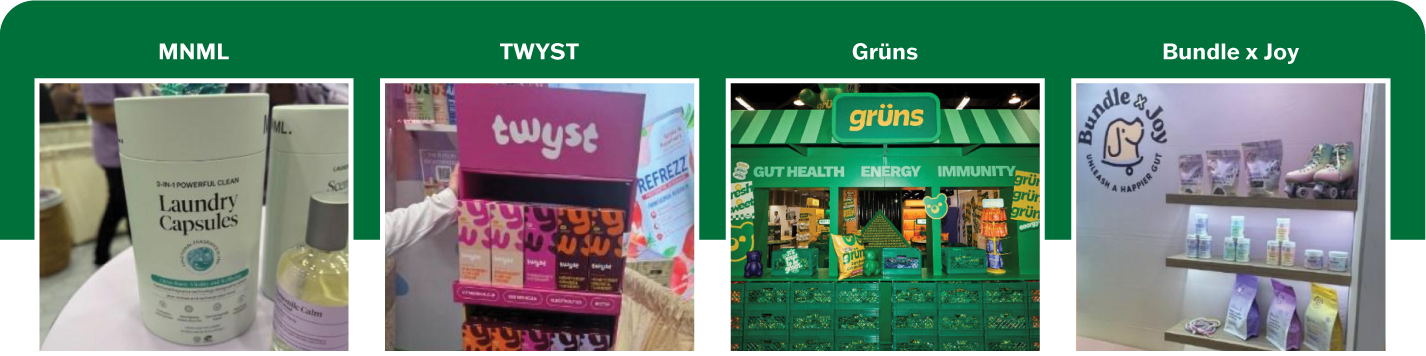
For years, functional health lived mostly in the world of VMS—clinical language, supplement bottles, and benefit-heavy messaging defining how consumers accessed wellness benefits. Over time, beverages helped bring functionality into more everyday routines. But Expo West suggested the next chapter may already be underway: functionality escaping both capsules and drinks to show up in entirely new formats.

Across the show floor, benefits like energy, focus, gut health, glow, and relaxation were showing up in formats designed to spark curiosity and trial—from gummies, laundry capsules, pouches, gums, superfood spreads, skincare, wellness straws, and pet products. As the functional marketplace becomes increasingly crowded, brands are experimenting with formats that make wellness feel less clinical and more playful. Instead of asking consumers to adopt a strict regimen, these products weave functionality into everyday moments—inviting people to experience health benefits in ways that feel more surprising, accessible, and fun.

Date Dynamism

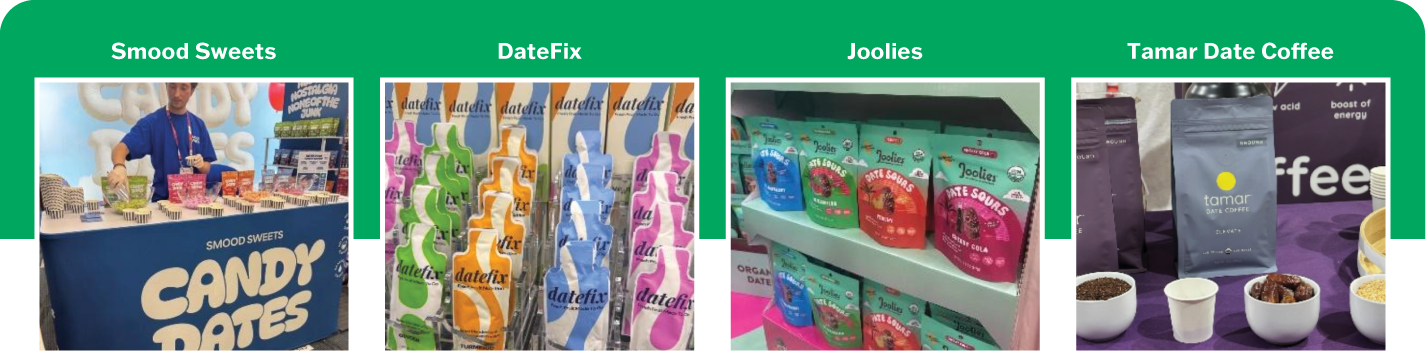
Dates are having a moment—and this year they were everywhere. While we spotted early signals of this trend last year, Expo West 2026 made it clear that dates are moving into the spotlight. Across the show floor, they showed up in formats ranging from snack bars and chocolates to syrups, spreads, and beverages, signaling that the ingredient is quickly expanding beyond its traditional associations. More than just a fruit, dates are increasingly being used as a way to deliver sweetness, texture, and substance across categories.

Their rise is also tied to a broader sweetener identity crisis. As consumers grow more skeptical of refined sugar, artificial sweeteners, and newer alternatives that can feel overly engineered, brands are actively debating what sources of sweetness feel most natural, trustworthy, and nutritionally meaningful. In that conversation, dates stood out as a clear frontrunner. They bring natural sweetness alongside fiber and other nutrients while offering something many sweeteners do not—satiety and a lower glycemic index through the combination of fructose & glucose. In a landscape full of sweetener confusion, dates are emerging as an ingredient that helps products feel both indulgent and wholesome.

Social Sipper Shifts

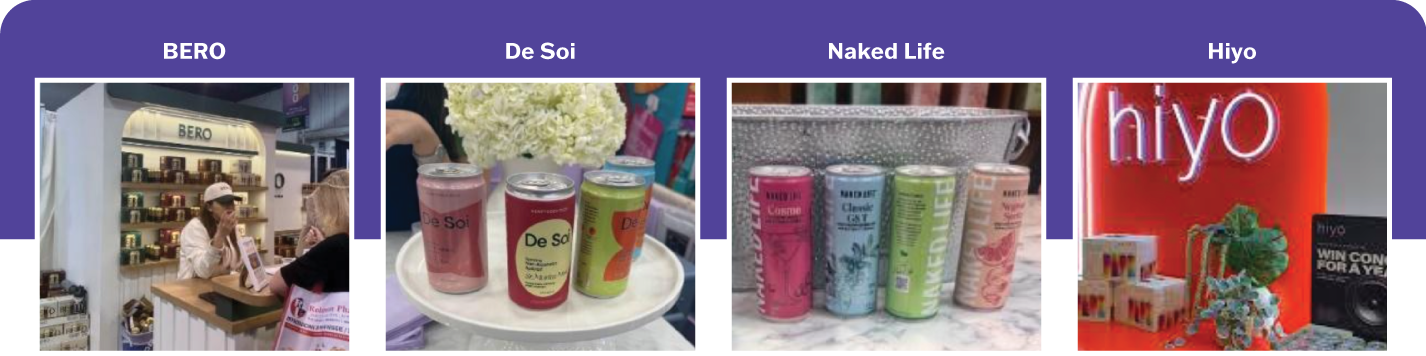
The sober-curious movement isn’t slowing down—but the category built around it is evolving. For years, alcohol-free beverages largely positioned themselves as substitutes for traditional alcohol, often centering on mimicry and replacement. But Expo West suggested the space is starting to move beyond that frame. Across the show floor, beverages were increasingly positioned around the feeling they create—whether that be calm, relaxation, uplift, focus, or a more social kind of buzz.

That shift points to a bigger change in what these drinks are being asked to do. Rather than simply standing in for alcohol, they are helping create entirely new rituals around how people unwind, connect, and socialize. For many younger consumers, alcohol is not necessarily something they are trying to replace—it is simply less central to their lifestyle to begin with. As a result, the opportunity is expanding from alcohol removal to mood creation—with brands designing beverages for the vibe, not just the void.

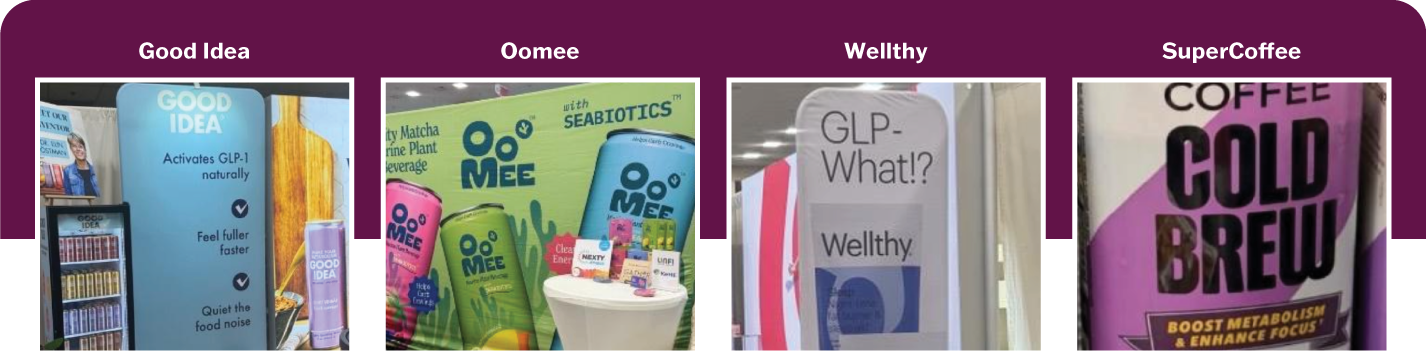
Metabolism to the Masses

For years, metabolism mostly lived in the worlds of clinical nutrition, fitness culture, and wellness diehards. Not anymore. Thanks in large part to the rise of GLP-1 medications, metabolism has entered the mainstream in a whole new way—bringing concepts like blood sugar balance, satiety, gut health, and metabolic efficiency into everyday consumer conversation. Expo West made it clear that brands are moving quickly to meet that shift, whether by speaking directly to GLP-1 users or by tapping into the broader outcomes people increasingly want: fullness, steadier energy, better blood sugar balance, and more support for weight management.

What stood out most was how quickly metabolism is becoming part of the vernacular. As consumers get more familiar with the mechanisms behind hunger, fullness, and weight, metabolism is starting to feel less like a niche health concept and more like everyday wellness shorthand. People are not just chasing weight loss—they are getting smarter about the system behind it.

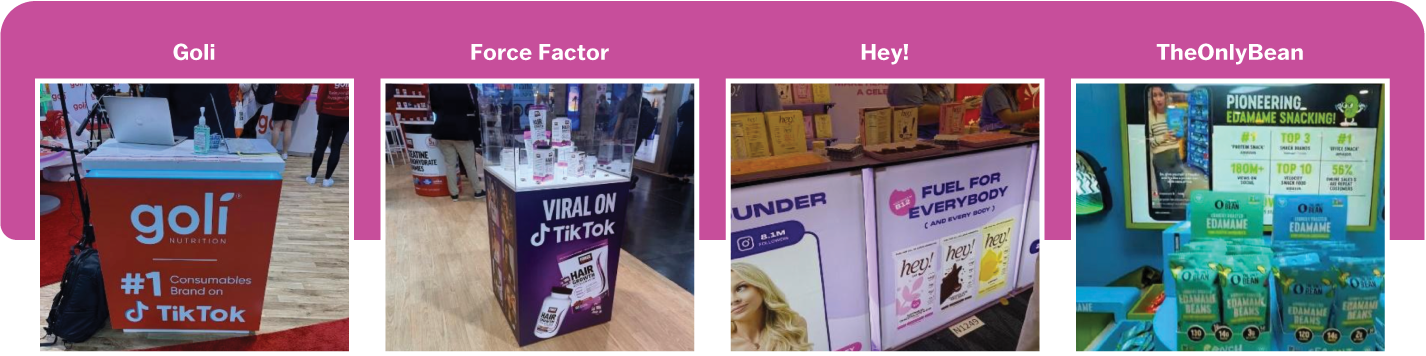
Spotlight on Socials

Scroll, like, buy, repeat. Social commerce has officially entered its main character era. Across Expo West, TikTok Shop, creator-led commerce, and social buzz came up again and again as powerful engines of discovery and demand generation. But more than that, social traction increasingly seemed to function as a kind of proof point—evidence that a brand has relevance, resonance, and real consumer pull. Booths proudly called out viral moments, creator momentum, and online success as signals that the brand was already winning with consumers.

That shift showed up across the show floor. Booths were designed to be filmed, shared, and talked about, with interactive activations and visually punchy moments built for content. Celebrity-backed brands added another layer of buzz, using star power to drive awareness and amplify talk value. Altogether, the message was hard to miss: in today’s landscape, success is not just measured by distribution—it is measured by attention. Social credibility is increasingly becoming both a reason to believe in a brand and a leading indicator of who earns the next shelf set.

Natural Foods, Now Functional

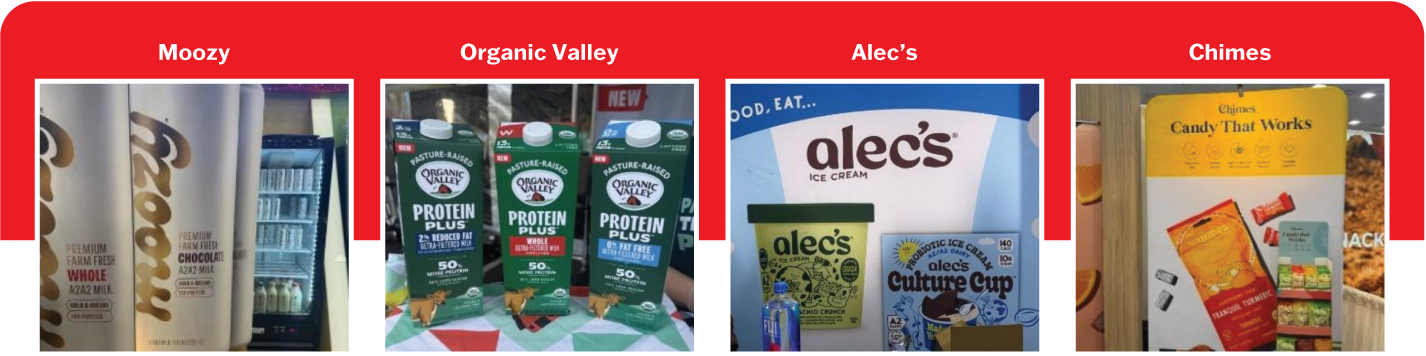
For years, Expo West innovation largely meant adding something extra—adaptogens, probiotics, collagen, or another functional boost layered onto foods and beverages. This year, the energy felt different. Instead of only fortifying products from the outside in, brands were increasingly unlocking functionality from the inside out—either by reengineering familiar foods to do more or by spotlighting the benefits already inherent in natural ingredients.

Dairy was one of the clearest examples of the first path. Once limited by a more traditional understanding of what milk could be, the category is being modernized through things like A2 proteins, ultrafiltration, and improved digestibility—expanding milk’s functional potential for today’s consumer. At the same time, other brands were leaning into the naturally occurring benefits of ingredients themselves, highlighting the specific compounds and properties found in foods like tomatoes, tart cherries, and ginger. Together, these approaches point to a broader shift: in a world increasingly skeptical of ultra-processed foods, functionality feels most compelling when it comes from real foods—or from a smarter understanding of what those foods can already do.

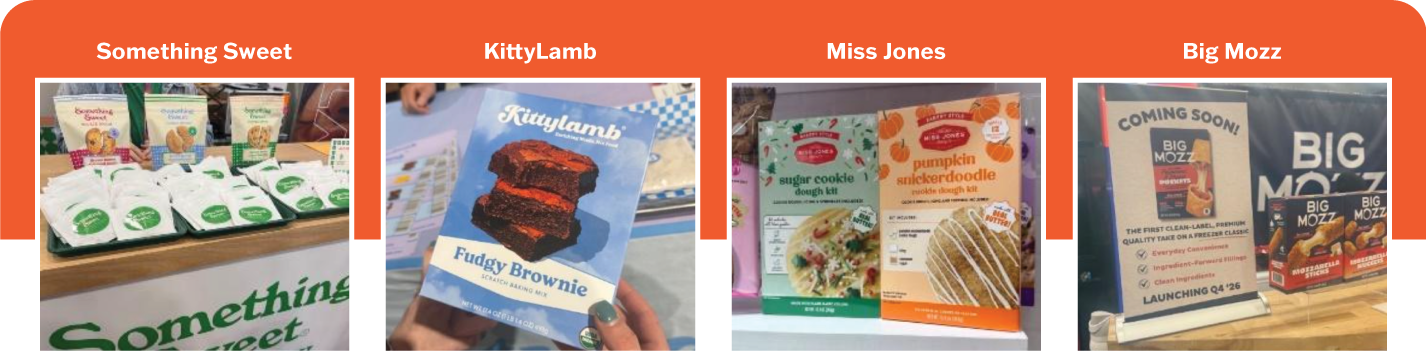
Back to Basics in Baking & Beyond

Expo West has long been a playground for reinvention. For years, brands looking to “upgrade” categories often did so by adding functional benefits or reworking familiar foods through alternative ingredients. That innovation was still present this year—but the pendulum also seemed to swing in a different direction: back toward real, simple, delicious food.

That shift showed up most clearly in baking, but it extended into other indulgent categories too. Whether in sweets, pizza, or comfort-food classics, brands seemed less interested in reinventing the original and more interested in restoring what made it lovable to begin with. Across categories, the emphasis was on cleaner ingredient decks, more premium formulations, and foods that felt more homemade, artisanal, and true to the enjoyment of the original. More than anything, these brands seemed focused on closing the gap that has so often existed between “better-for-you” and genuinely delicious—proving that high-quality ingredients and real enjoyment do not have to be at odds.

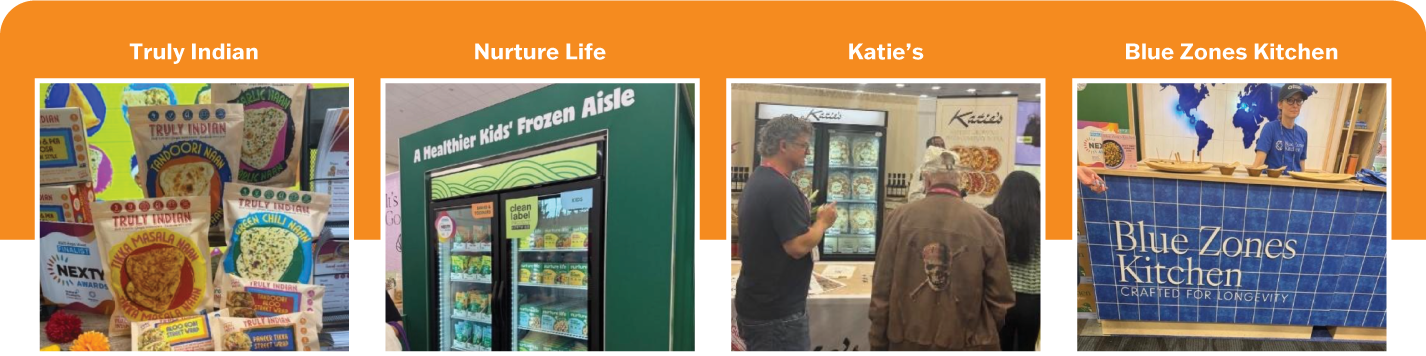
Frozen Coming for Foodservice

Boy, has the frozen aisle leveled up. A new generation of brands is working to reintroduce consumers to frozen by delivering the kind of quality, culinary credibility, and ingredient integrity that many may not associate with the set. Across Expo West, frozen products showcased globally inspired meals, chef-driven recipes, and cleaner ingredient decks designed to rival the quality and excitement consumers increasingly expect from foodservice.

That shift was especially visible in globally inspired cuisine, where frozen brands brought more authenticity, culinary specificity, and restaurant-like appeal to the aisle. Whether through dumplings, noodles, curries, or grain bowls, frozen brands seemed less interested in acting like pantry staples and more interested in acting like your favorite takeout spot. For consumers who may have written off the freezer years ago, these brands are making a case to come back—offering the convenience of frozen without the compromise once associated with it. As restaurant prices climb and convenience remains non-negotiable, brands that can deliver authentic, foodservice-quality experiences from the freezer are well positioned to win. The result is a growing standoff between restaurants and the frozen aisle—and frozen is coming in hot.

Expo West is where early signals start to look like real momentum. This year’s show made clear that consumers are seeking products that feel more real, more purposeful, more delicious, and in step with how they want to live.

Curious how your business can get in on these and future trends before they gain momentum at Expo West? As always, we welcome conversation at info@seuratgroup.com.
Challenger Brand Study 2026

Challenger Brand Study 2026

Challenger Brand Study 2026

Challengers who modernize and redefine thier categories

Challenger brands are lauded for their disruptive values and their outsized contribution to CPG growth. While many “challenger” brands often play on the fringes, true breakthrough comes from going beyond niche disruption to redefining and modernizing existing categories.

This year’s study focuses on the next wave of challenger brands that are reigniting both consumer relevance and growth within their categories, not just for themselves.

Against a backdrop of stagnating unit growth and rising anti-consumerist sentiment, these brands demonstrate how to drive durable category value creation. They’re infusing new energy and modernity into sleepier categories by leaning into better-for-you ingredients, unlocking new consumption occasions, and leveraging lifestyle-driven branding to deepen consumer connection. In doing so, they’re pulling their categories back into the cultural zeitgeist and bringing new consumers into the fold.

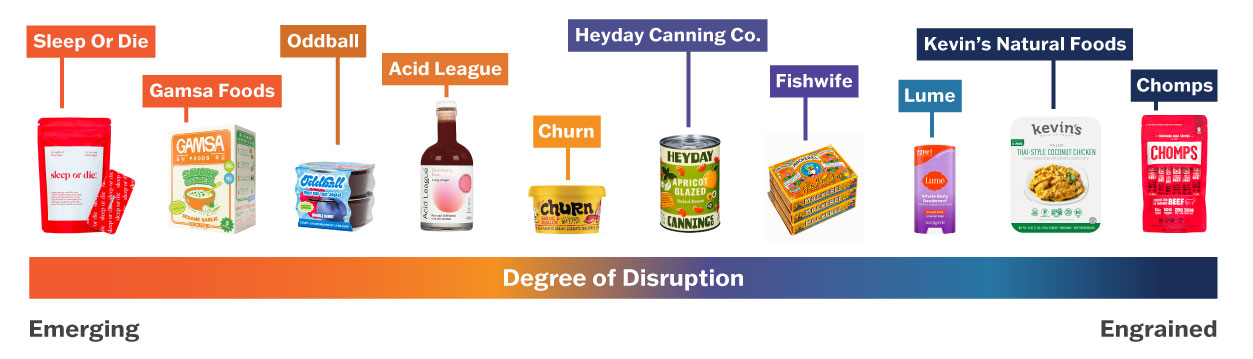
We are excited to highlight 10 challenger brands across a spectrum of disruption: from emerging challengers pushing boundaries to more established modernizers that have already reshaped consumer expectations.

What stands out across these brands is not a single playbook, but a shared orientation in designing for the future of the category, not fenced in by its present.

Challenger Brand Category Impact Spectrum

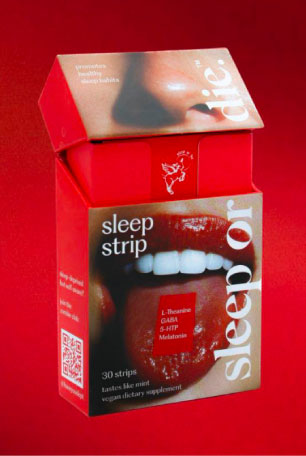
Sleep or Die: Sleep or Die is jolting the sleep aid category awake with provocative energy and functional credibility in a space that long felt clinical, lifeless, and, well, sleepy. Recognizing that millennials and Gen Z are desperately seeking rest but rejecting the sedative-heavy, side-effect-laden solutions of the past, the brand taps into a cultural shift where younger consumers are embracing wellness rituals but still crave the bold aesthetics of nightlife culture. By pairing credible functional ingredients like melatonin, L-theanine, and GABA with irreverence and design that feels more like a nightlife brand than a pharmacy product, then delivering it in a tab format that feels edgy and unexpected, Sleep or Die transforms the nightly wind-down into something bold and intentional. Sleep or Die is not just refreshing the sleep aid category. It is turning the nightly wind-down into something bold and current, not tired and medicinal. (Source 1 | Source 2 | Source 3

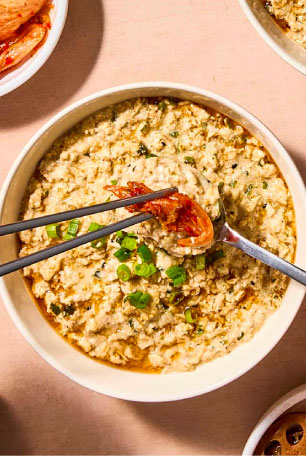
Gamsa Foods: Oatmeal is widely viewed as a healthy breakfast staple, but most bowls rely on sugary add-ons to make them appealing, leaving a gap for tasty, convenient, and savory breakfast options. Gamsa Foods recognized an opportunity to modernize without asking consumers to abandon familiar morning habits, introducing savory oatmeal inspired by traditional Korean porridge. Each bowl blends oats with quinoa and rice, layered with bold, umami-forward flavors like sesame, garlic, miso, and seaweed, delivering the warmth and comfort of a home-cooked Korean breakfast in a format ready in minutes. By infusing oatmeal with global flavor and cultural relevance, Gamsa reopens the breakfast category to savory, culturally grounded eating in a space long dominated by sweetness and sameness. (Source 1 | Source 2)

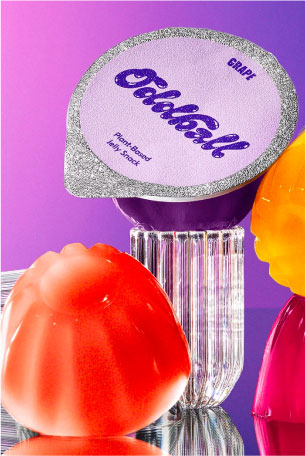
Oddball: Gelatin snacks have long been defined by a single legacy player, beloved for nostalgia but increasingly misaligned with modern expectations around ingredients and wellness. Oddball identified why consumers were quietly walking away. It was not because they stopped loving the jiggly, playful format, but because it no longer felt worth the compromise. By rebuilding jelly snacks with real fruit, plant-based gelling agents, and cleaner ingredients, Oddball gives consumers permission to enjoy a familiar childhood ritual without the artificial baggage. In a world where indulgence increasingly needs permission, Oddball offers a way to keep the fun without the guilt. With growing retail distribution and seed funding fueling expansion, the brand shows how even the most entrenched nostalgia-driven categories can be meaningfully modernized without losing their sense of joy. (Source 1 | Source 2 | Source 3 | Source 4)  

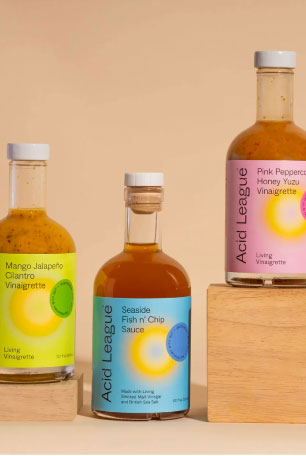
Acid League: The vinegar category has long suffered from low mindshare, treated as a commodity rather than an ingredient worth exploring. Acid League recognized that the category was quietly primed for a renaissance as interest grew in flavor complexity, functional benefits, and more creative uses for everyday pantry staples. By introducing premium, small-batch vinegars with bold, culinary-forward flavor profiles and design that feels curated, the brand repositioned vinegar as something to discover rather than simply stock. It turns vinegar from a dusty bottle in the back of the pantry into a flavor tool people actually want to reach for. As the category expands, Acid League sits squarely within a broader revival of this ancient functional food, unlocking new relevance and new usage occasions along the way. (Source)

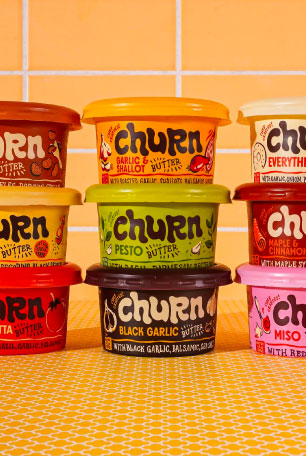
Churn: Founded by Chef Michael Tashman, Churn offers flavor-packed, wholesome butters designed to transform any dish into a bold, satisfying moment. From Parmesan and Pepper to the sweet warmth of Maple and Cinnamon, each tub is built to be a consumer’s sous chef, a simple tool that lets anyone confidently, conveniently, and affordably elevate their cooking. The brand wins by activating at the intersection of three emerging consumer trends: demand for convenience, flavor curiosity, and a preference for wholesome ingredients. In an era of burnout and economic uncertainty, Churn gives people a way to feel creative and capable in the kitchen again without more effort. In doing so, it helps turn a basic commodity into an accessible form of everyday indulgence. (Source)

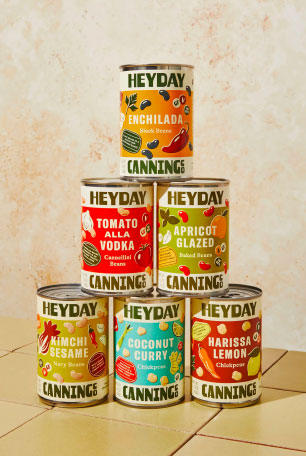
Heyday Canning Co.: Heyday taps into a simple tension: consumers love cans for their practicality, but the food inside has historically been uninspiring. The brand closes that gap by bringing creative flavor combinations and fresh-tasting, high-quality ingredients to a format people already trust. It delivers the cozy, nostalgic comfort of classic canned soups and pantry staples while pairing it with modern recipes and aesthetic packaging that feel genuinely exciting rather than like a compromise. As Heyday gains traction, including its recent launch at Target, it is helping the legacy canned food category evolve its relevance for today’s consumers. In doing so, Heyday is reintroducing an entire generation to canned food as something worth choosing, not just settling for. (Source)

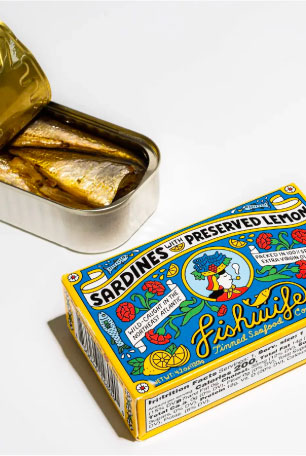
Fishwife: Fishwife is infusing bold flavor and fresh energy into a category that long felt bland and overlooked in the United States. Inspired by the high-flavor tinned fish culture of Spain, the brand taps into growing culinary curiosity and interest in globally inspired foods. By pairing sustainable, ethically sourced seafood with vibrant design and modern flavor profiles, Fishwife transforms tinned fish into an affordable, everyday luxury. The brand leans into charcuterie and “girl dinner” trends, delivering bites that are delicious, nutritious, and picture perfect. Fishwife is not just refreshing tinned fish. It is attracting entirely new consumers and redefining what canned seafood can represent in modern food culture. (Source 1 | Source 2 | Source 3)

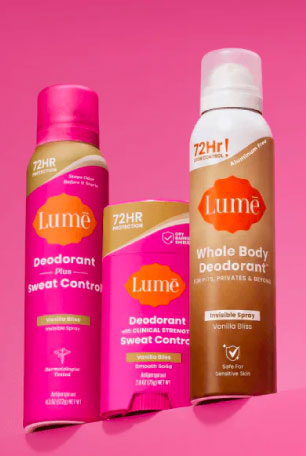
Lume: Born from OB-GYN Shannon Klingman’s experience with countless women raising concerns about body odor below the belt, Lume has reshaped expectations in deodorant by leading the charge on whole-body odor care. From traditional sticks and sprays to creams, cleansing washes, and wipes, Lume takes a different approach by acidifying the skin to block odor before it starts, using mandelic acid instead of aluminum or harsher, irritating ingredients. The brand also takes an unapologetic approach to education and destigmatization, openly talking about odor on social media in a way no one else in the category does. In doing so, Lume expands deodorant from a single-use product into a broader personal care category built around whole-body confidence. (Source)

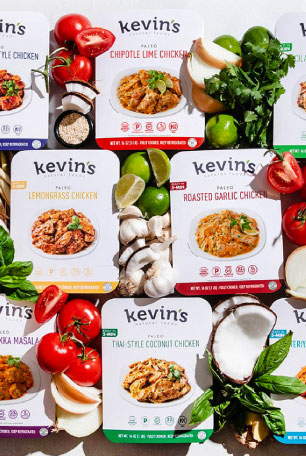
Kevin’s Natual Foods: Kevin’s did not just modernize frozen and refrigerated meals. It permanently changed what consumers and retailers expect from the category. Before Kevin’s, convenience meals were synonymous with compromise: heavy, artificial, and nutritionally suspect. Kevin’s proved that ready-to-heat could be clean, flavorful, and genuinely aspirational. Built on sous-vide preparation and real culinary flavors, the brand unlocked a new consumer truth: busy people no longer accept “good enough” food. Kevin’s explosive, unicorn-level growth forced retailers to re-architect the frozen aisle, making space for premium, chef-driven entrées and catalyzing the “fancy frozen” movement now sweeping the category. The brand’s 2023 acquisition by Mars is not just an exit story. It is evidence that Kevin’s successfully reset the economics and expectations of convenience food, pulling an entire category into a more premium, health-forward future. (Source 1 | Source 2

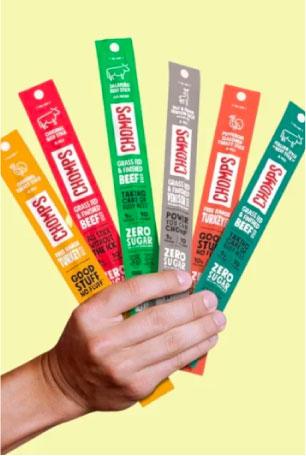
Chomps: Meat snacks carried baggage: perceived as over-processed, nutritionally suspect, and limited to a narrow consumer base. By rebuilding meat sticks with simple ingredients, clear quality credentials (100% grass-fed, Whole30-approved), and elevated packaging, Chomps made meat snacks feel modern, trustworthy, and approachable. The brand even leans into category stigma with self-aware messaging, “all the stick without the ick,” helping disarm skeptics and invite first-time users into the set. Chomps has already shifted the category’s center of gravity. Roughly two-thirds of its consumers were new to meat snacks before discovering the brand, helping establish clean-label protein as the new baseline for what meat snacks should be. Now one of the fastest-growing food brands in the U.S., Chomps is not just benefiting from category momentum. It helped create it. (Source 1 | Source 2)

Implications for All Brands

The challenger brands in this year’s study show how the challenger mindset has evolved. Across categories, these brands are actively reviving familiar categories and redefining what they stand for, and reimagining what they can become.

Even the most established categories can be reignited with the right insight and conviction. Because the strongest challengers do not just grow themselves, they help shape what comes next for the entire shelf.

As always, we would love to hear from you. If you would like more information on any of our challenger brand studies, or want to share a brand of your own, please reach out at info@seuratgroup.com.

Architecting Success

Architecting Success

Architecting Success

Brand architecture – the organizational system or structure underlying a portfolio – is something we don’t typically notice when it’s working well. The best examples go undetected: consumers naturally grasp a brand’s offering through carefully designed naming, color scheme, packaging, messaging hierarchy and organization of the physical or digital shelf. Like the bones of a house, we notice architecture only when it’s flawed – or worse, absent. Amid SKU proliferation, channel fragmentation & cluttered messaging, brand architecture can mean the difference between a product being selected or abandoned in a matter of seconds. This article unpacks brand architecture – when and why it works or doesn’t – with the goal of positioning it alongside other foundational tools in the brand management toolkit.

  • Companies managing multiple brands in the same category need to create clear “swim lanes” to ensure brands in the portfolio work together – not in competition – to capture a greater share of the pie. Especially in big CPG firms, companies often jump on a trend and leverage scale to deploy it broadly. Consider a pet company with multiple brands of dog food. Seeing the migration of “grain-free” from human to pet eating patterns, they might add a grain-free SKU to each of their brands. Without a clear portfolio architecture, lines between brands become blurred. Perceived differentiation declines, and along with it, willingness to pay.
  • Individual brands in growth mode find themselves in the (enviable) position of launching new products to reach incremental consumer segments, needs or occasions. Motivated by a desire to bring products to market quickly, these brands create new sublines, formats and/or varietals – but then encounter challenges when consumers are forced to discern differences between legacy and new products. Consider a juice manufacturer responding to consumers’ desire for less sugar and fewer calories. The creation of a new “Lite” subline to complement existing “Diet” products, while well-intentioned, may ultimately confuse shoppers who lack the time or patience to read nutrition panels.

Enter architecture, the art & science of organizing a collection of products or brands to drive clarity, distinctiveness & incrementality. Successful businesses use architecture to penetrate new consumers and/or need states, help shoppers quickly intuit differences across a portfolio and even create guardrails for innovation.

While there are numerous ways to organize a portfolio, most ladder up to one or more of the following:

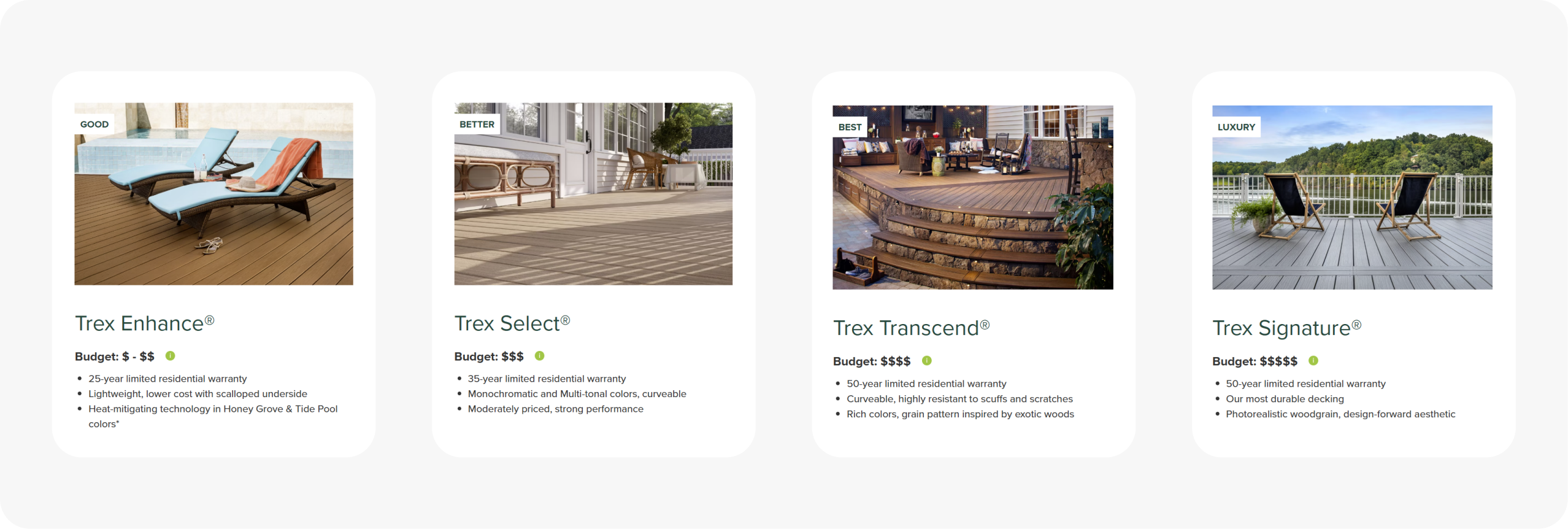
Brands organize portfolios based on price tier, often in the form of a good / better / best construct.

Example: Composite decking company Trex offers products in four tiers – Trex Enhance® (Good), Trex Select® (Better), Trex Transcend® (Best) and Trex Signature® (Luxury). Differences in warranty duration, available colors, heat resistance and durability justify price differences and help shoppers choose a product that matches their budget and definition of value.

Brands organize portfolios based on a highly discernible product attribute like flavor, ingredient type or format.

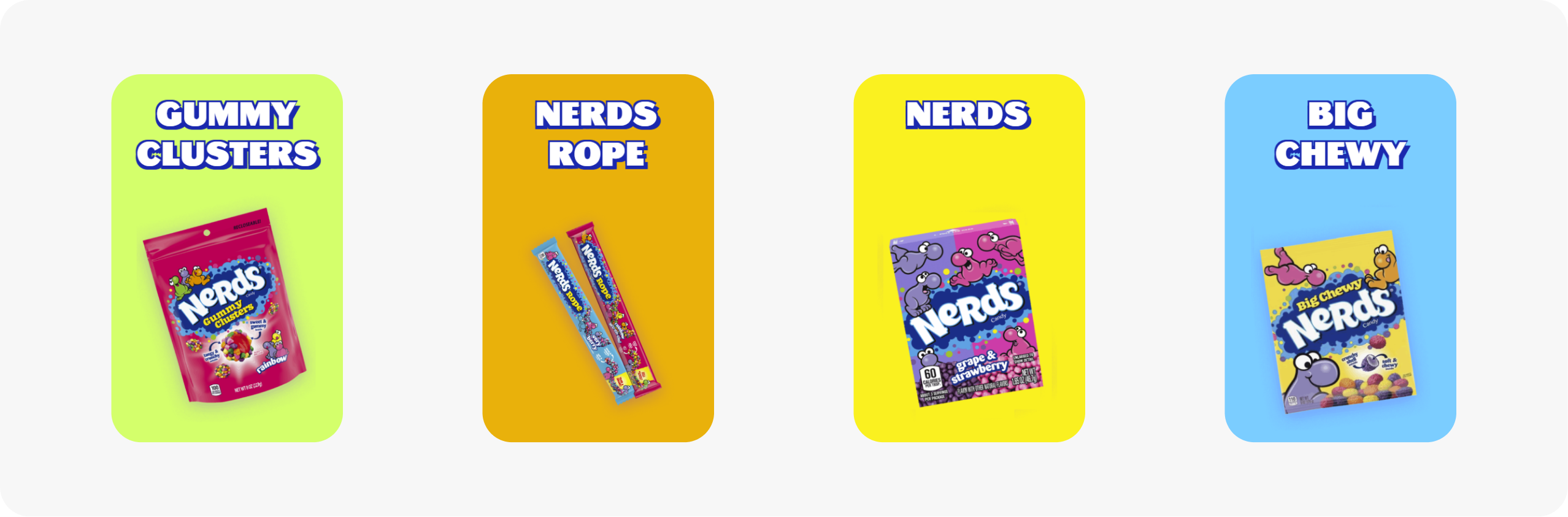
Example: Ferrara’s Nerds candy offers consumers four ways to enjoy: classic, rope, big chewy & gummy clusters. This architecture has myriad benefits, from courting consumers who typically buy other formats (e.g., gummy lovers) to justifying incremental shelf space and commanding a premium for novel experiences.

Brands organize portfolios based on the end users for whom the products are designed, often corresponding to specific markets or channels.

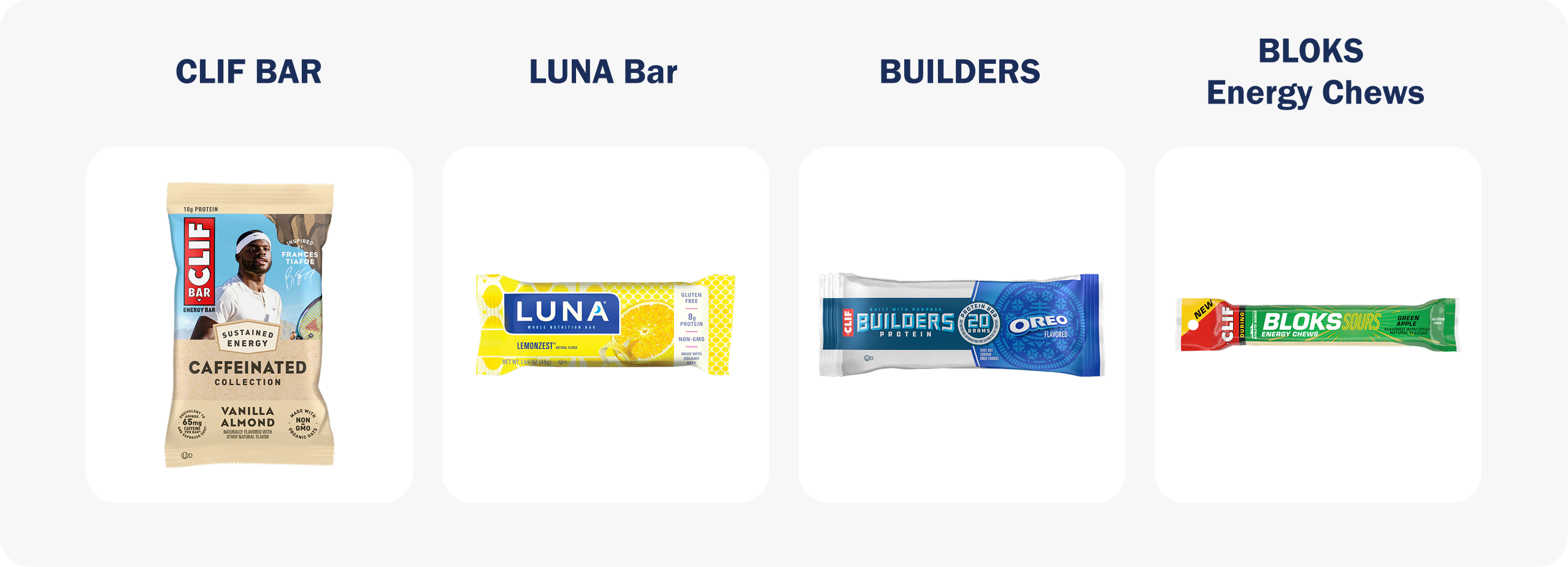
Example: CLIF bar offers products for kids (ZBAR), women (LUNA), protein-seekers (BUILDERS) and hardcore athletes (BLOKS). Through this structure, Mondelez can not only recruit new consumer segments to the franchise but also prioritize distribution in specific channels like sporting goods stores.

Brands organize portfolios based on what the product does for consumers.

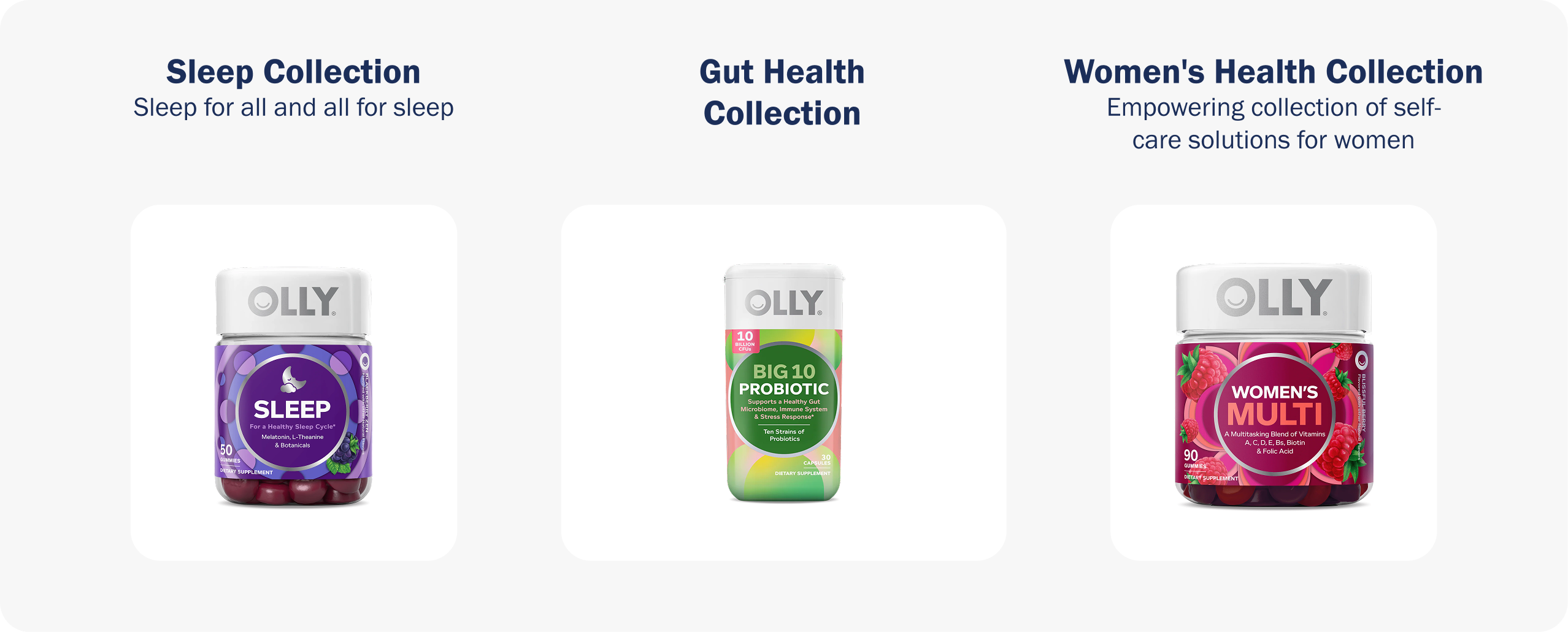
Example: OLLY famously pioneered benefit-led communication in the vitamins & supplements category. While the brand targets wellness-oriented women 25-44, its portfolio organized by sleep, mood, beauty, gut health, women’s health and immunity allows Unilever to effectively show up for VMS shoppers prioritizing these benefits while informing distinctive memory structures (sleep = purple, gut health = green).

In the case of newer categories that require more consumer education, like, say, nootropics, it’s often appropriate to organize based on one of the first two dimensions (i.e., what the product is). In our experience, however, some of the best brands organize their portfolios based on an amalgamation of these dimensions – effectively combining what it is with who it’s for and what it does.

The world’s largest hospitality company with 39 brands, Marriott understands architecture well. Take its flagship and namesake brand, which spans the select service, premium & luxury tiers. Each brand has a unique set of services and amenities, offered at varying nightly rates (what) inspired by distinct traveler profiles (who) and how they view the role of a hotel in travel (why) – united by the master brand’s core visual identity and brand promise.

  • Courtyard by Marriott is for value-conscious guests who want convenient, flexible, no-frills travel experiences
  • Marriott is for conservative travelers who find safety & security in familiar hospitality experiences from a well-known, trusted brand
  • JW Marriott is for premium guests who associate travel with wellbeing and seek elevated amenities & experiences that inspire

Everything about these sub-brands – from the 2D and 3D visual identities to the nightly rates, staff uniforms, check-in experience, onsite amenities and F&B programming – flows from this carefully orchestrated architecture.

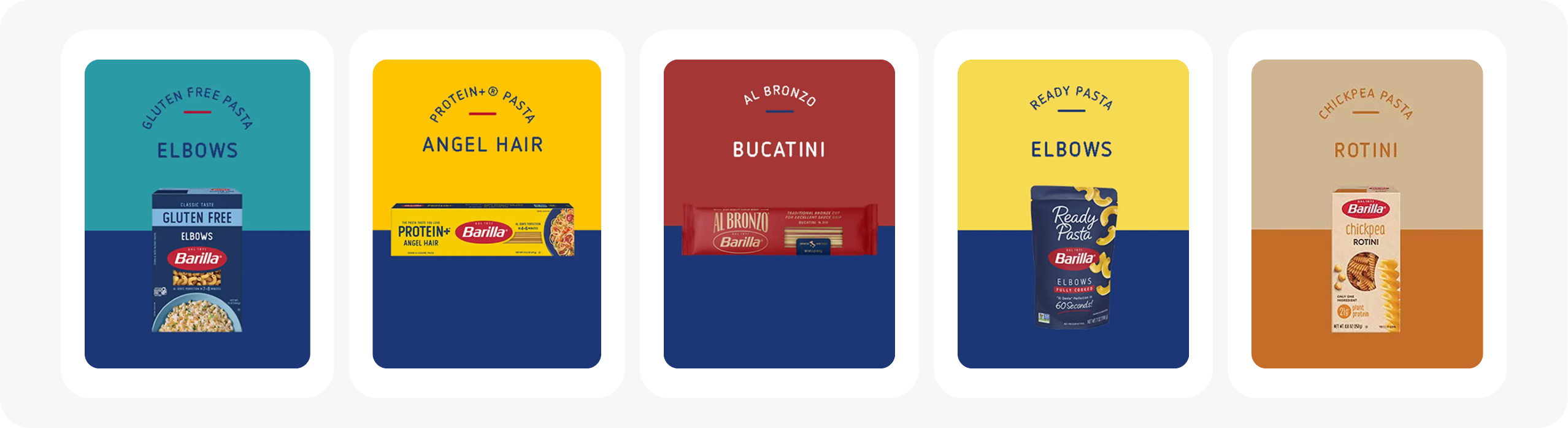
Having been around for almost 150 years, Barilla has learned a thing or two about architecture. While most of its U.S. volume is classic blue box, in recent years the brand has proliferated to reach different consumers with nuanced needs at varying price points.

  • Gluten-Free, Whole-Grain and Protein+ are for pasta lovers with dietary and/or macronutrient goals
  • Al Bronzo is for home chefs who want a premium taste experience without the fuss of homemade pasta
  • Chickpea & Red Lentil is for carb avoiders who prioritize nutrient density but don’t want to sacrifice their pasta ritual
  • Ready Pasta is for consumers short on space, time & cooking utensils who still want a home-cooked meal

Notably, Barilla uses product naming, color, packaging shape and messaging hierarchy to quickly and effectively resonate with each of these consumers and use cases.

The good news is, it’s never too late to create (or optimize) the system or structure underlying your brand. You don’t need a degree in architecture – just a strong brand identity, a deep understanding of how consumers engage with your category and a network of partners to bring it to life.

Interested in learning more? Contact us at info@seuratgroup.com.
Modern Price Pack Architecture

Modern Price Pack Architecture

Modern Price Pack Architecture

Reframing Innovation: Why PPA Deserves Center Stage

Innovation is often defined by the new: new products, new categories, new platforms. But the most powerful innovation today doesn’t just disrupt — it deepens the relevance of the brand for the consumer.
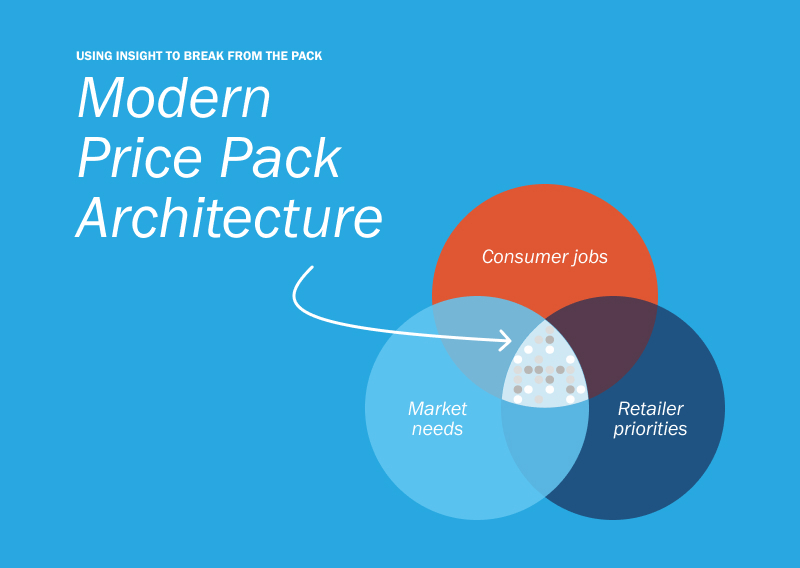
Price Pack Architecture (PPA) has been used as a core element of channel management and omnichannel strategy for some time. PPA shouldn’t be solely utilized to reactively patch category gaps and manage channel conflicts. That mindset underestimates its growth potential. Rather, PPA should play a central role in marketing and commercial strategy.

In today’s environment, we believe PPA is a more efficient form of innovation that scales what’s already working to build the brand, rather than place riskier bets on ‘what’s next.’ It’s a strategic marketing lever that works across the marketing funnel to acquire new users, capture more usage, and efficiently create brand and category value. Done right, it can serve as one of the most efficient, scalable growth tools in the brand toolkit.

Why PPA Matters More Than Ever

The market is changing, and so is the way consumers and shoppers engage with brands. With the proliferation of touchpoints and the rise of omni-channel media, shoppers are more inundated with messaging than ever before. In this ever-changing context packaging can be a constant that plays an instrumental role in building physical availability and visibility.

Consumers are demanding products that address specific micro needs — whether it’s on-the-go-snacking, a mid-afternoon reward, a morning boost of energy or a host of other daily needs. At the same time, Retailers are prioritizing personalization, shelf efficiency and formats that enhance margin and fit tight space parameters. Ecommerce has redefined discovery, favoring trial-friendly, visual-first, and value-packed SKUs. These trends put pressure on brands to ‘show up’ in increasingly different ways to delight consumers and retailers.

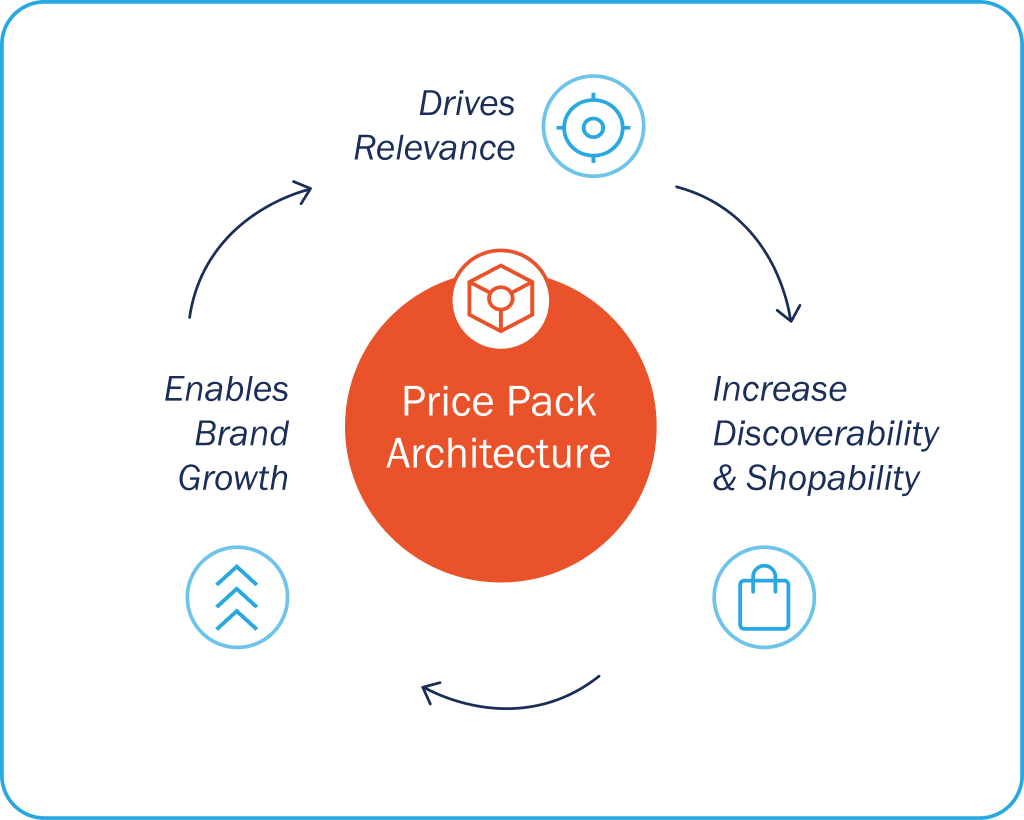
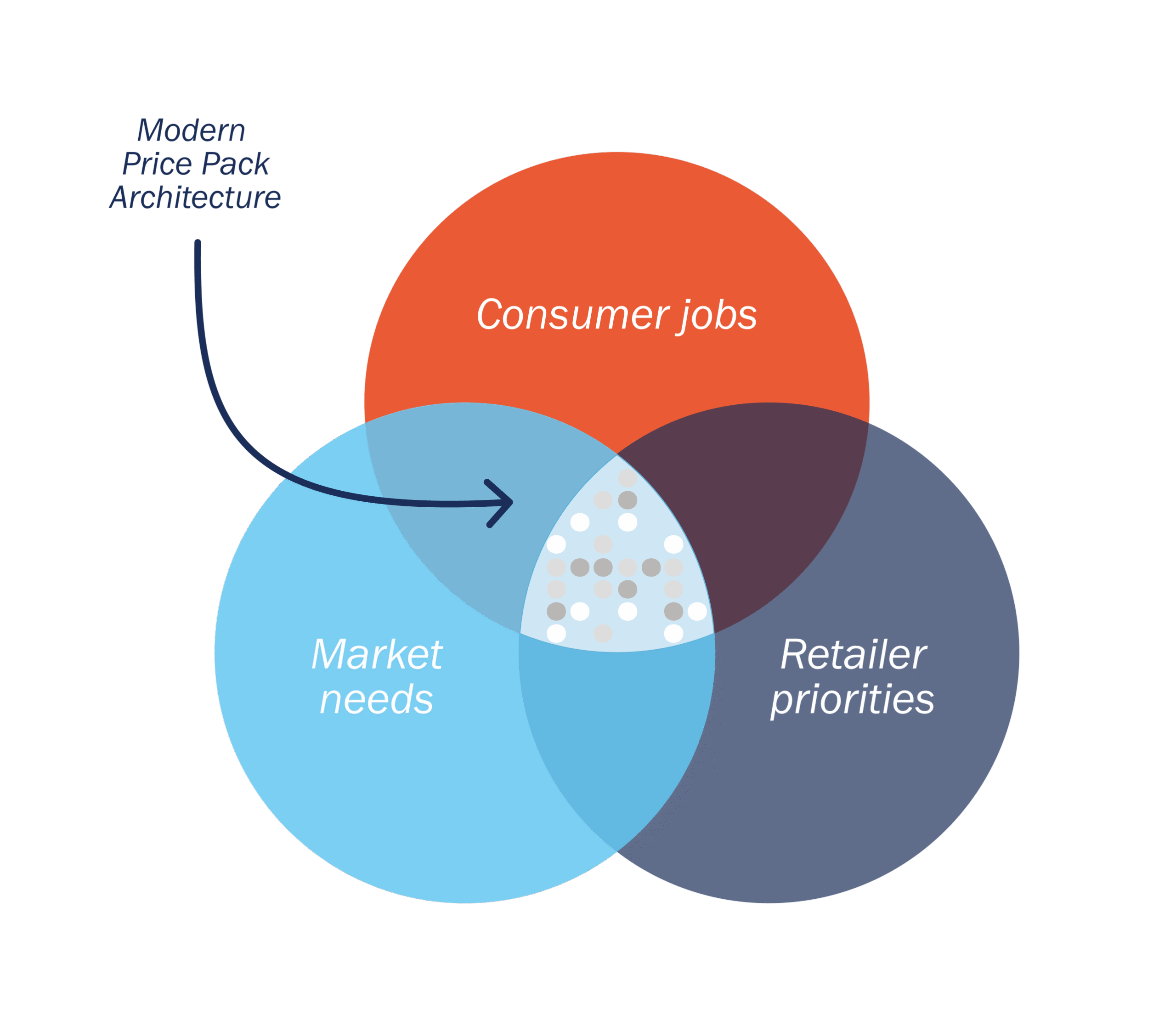
In this context, PPA isn’t just about incrementality, it’s about relevance. It lets brands grow without overextending, building from their position of strength instead of chasing what’s simply new and novel. This strength comes from PPA’s ability to deliver 
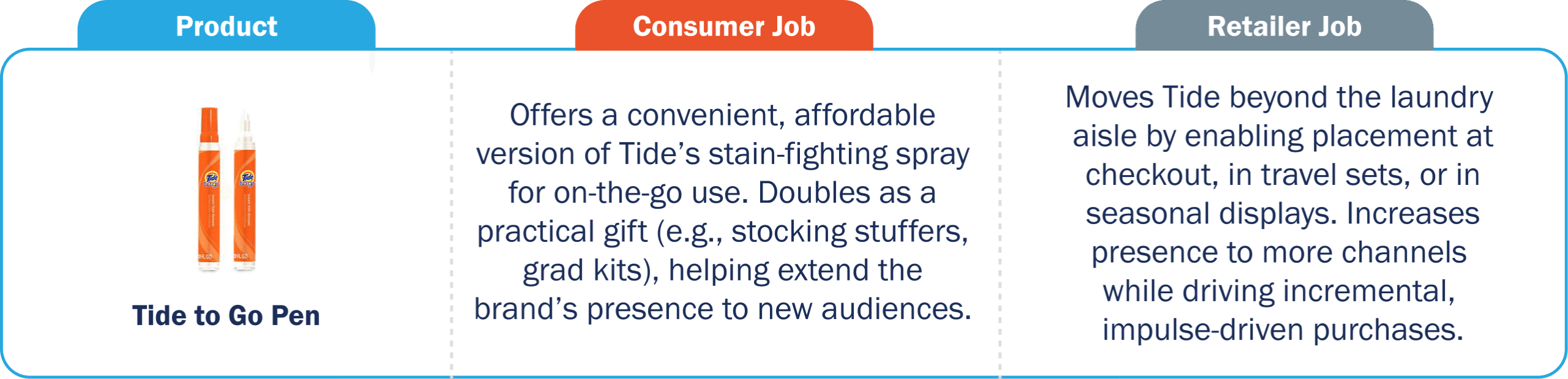
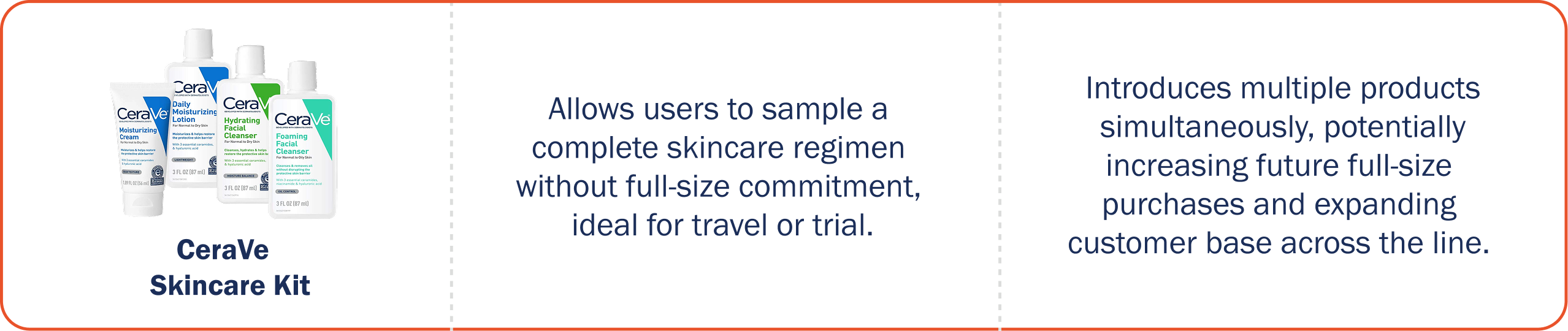
on diverse consumer and retailer ‘jobs’ alike in a way that is much more targeted and unique. PPA helps consumers more effectively address a wide range of needs, while helping retailers achieve shopper goals and drive incremental growth in-store and online. From big CPG to Challenger brand, and across all categories, PPA makes existing products 
more valuable, more shoppable, and more discoverable, which unlocks more growth.

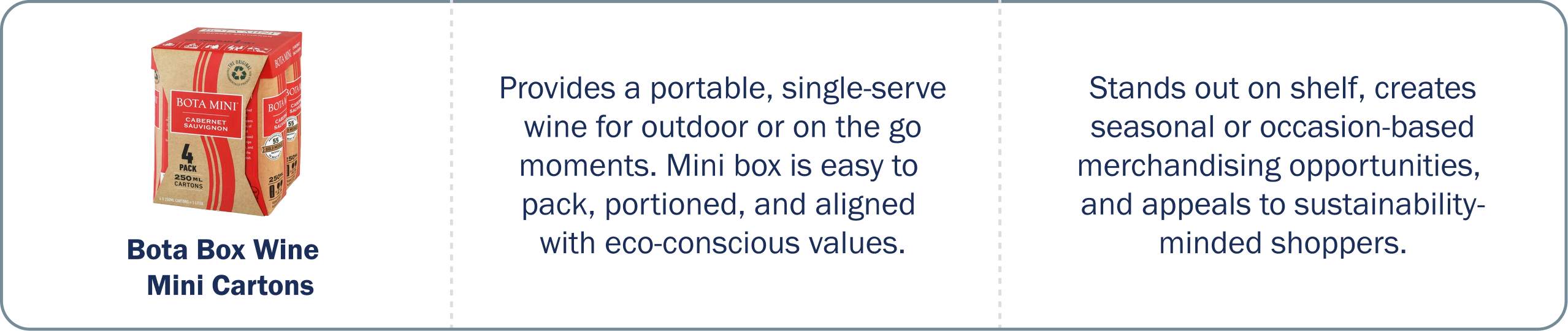
Below, we’ve highlighted 5 brands in different categories that leveraged PPA to fulfill retailer and consumer jobs simultaneously.

How to Leverage Insight to Build Smarter PPA Strategies

Today’s Price Pack Architecture doesn’t start with format, it starts with insight: understanding what consumers need, what retailers prioritize, and where the brand can stretch to win.

Immersive consumer research, based on strong hypothesis development, is critical to reveal the 
‘why’ behind behaviors—uncovering unmet needs, friction points, and rituals that brand can solve through PPA.

Quantitative validation confirms the scale and impact of these needs and opportunities, ensuring that pack-led solutions are backed by data and have potential for broad adoption.

Category and channel-specific analysis must be layered on to ensure PPA strategies are grounded in retailer needs and real-world retail dynamics.

Together, these insights create a sharper, more strategic approach to PPA. This approach balances consumer relevance with retailer fit to unlock incremental, sustainable growth.


Embedding PPA into Business Planning

To turn PPA into an incremental growth lever, brands must identify opportunities and develop strategies upstream, embedding it into the annual business planning process as part of marketing and innovation plan development.

The process above should also be part of the learning and research plan to clarify the consumer moments, shopper missions, and barriers that pack architecture can address. Without a strong insight foundation, solutions risk being built around standard formats rather than quantified opportunity.

And finally, success should be measured not just by immediate incrementality, revenue or lift, but by how many moments, missions, and baskets a format can serve.

If you’re exploring how to embed strategic price pack architecture into your annual planning or want to trade thoughts on how PPA can unlock growth, then we’d love to connect. Please reach out to info@seuratgroup.com to continue the conversation.

Top 10 Trends from Expo West 2025

Top 10 Trends from Expo West 2025

Top 10 Trends from Expo West 2025

Last week, team Seurat headed to Anaheim for a jam-packed two days of meeting founders, discovering challenger brands, sampling hundreds of products, and most importantly, scoping out the biggest trends set to define 2025. That’s right – we’re talking about Expo West 2025. The annual “brand land” grand slam of CPG did not disappoint, as starry-eyed first timers & Expo vets alike stormed the halls to try the latest innovation, meet buyers and distributors, and size up the competition. It was a year to remember with the protein arms race – emboldened by the rise of GLP-1s – continuing full force and CPG fanatics literally throwing punches over highly sought-after pink puffy giveaway bags.

Last year, we recapped the top 10 trends at Expo, organized by those most emerging to those most poised to scale. One year later, many of those trends we identified as ready to scale, have done just that (we’re looking at you, modern soda) and are now approaching their crest.


This year, we’ve organized trends based on adoption maturity —highlighting trends that are just beginning to gain traction and those that are more on their way to mainstream dominance. Let’s face it, not every brand at Expo is destined for widespread adoption, so our goal is to shine a light on the few and mighty that are poised for real growth.

#10 Mushroom Mayhem

Exhibitors of the fungal variety largely fell into two camps: mushrooms as food and mushrooms as medicine. On the food side, mushrooms—especially in jerky form—are carving out a niche as a nutrient-dense, umami-packed salty snack, though scalability remains limited. The real momentum is happening on the functional side, where mushrooms are being positioned as natural powerhouses for cognition, mood, gut support, endurance, and beyond. Within this space, two distinct branding strategies are emerging: some are tapping into the “magic mushroom” mystique with psychedelic-inspired names and graphics, while others are leaning into a more clinical, pharmacological approach. However, some companies are moving away from centering “mushrooms” in their branding altogether, recognizing the barriers to entry and consumer hesitation.

For example, Odyssey Elixir (a brand we featured last year), now emphasizes benefits like cognition & energy and lists ingredients like lion’s mane and cordyceps in place of the word “mushroom” on pack. Similarly, Everyday Dose embraces functional mushrooms in their product, but with a more mainstream name and approachable aesthetic. Despite the hype, trial, education, and perceived efficacy remain barriers to mass adoption—keeping this trend in its earlier stages of growth for now.

#9 Color Drenching & Dopamine Vibe Tribe

Brands that embrace ultra-bright, dopamine-inducing packaging—featuring bold fonts, saturated colors, and a distinct badge-value aesthetic—are resonating deeply with Gen Z. This trend, fueled by TikTok-dominant interior design aesthetics, taps into Gen Z’s craving for both simplicity and novelty. Having grown up in a world of constant digital stimulation (hello, iPhones from birth), Gen Z is accustomed to sensory overload. Color drenching—the use of bold, monochromatic color blocking—provides a visual break, offering an eye-catching yet cohesive look that stands out without feeling chaotic. It delivers boldness without clutter, making products feel both contemporary and easy to process. On the flip side, dopamine packaging leans into playful, high-energy visuals—think clashing brights, dynamic patterns, and nostalgic, Y2K-inspired motifs designed to spark joy. Beyond aesthetics, these approaches also deliver shelf standout.

Monochromatic packaging helps brands create strong, recognizable blocks, while dopamine-inspired designs foster an emotional connection, making products feel fun, expressive, and shareable. Regardless of the approach, both styles force brands to tighten their messaging, ensuring a clear and compelling value prop without unnecessary noise. In a world where Gen Z seeks products that are both visually satisfying and instantly recognizable, dopamine-drenched branding strikes the perfect balance between energy and clarity. Based on the graphics on display in everything from functional beverages and snacks to supplements and even salad dressing, we expect to see color drenching and dopamine-drenched branding creeping into more categories in the near future.

#8 Sweet / Savory Flavor Flip 

Consumers are craving unexpected twists on familiar flavors, fueling the rise of savory notes in sweet categories (black sesame lattes) and sweet infusions in savory ones (pancake-flavored popcorn). This shift is driven by flavor fatigue, global influence, and the appeal of contrast. Many cultures have long blurred these lines, from Japan’s miso desserts to Hawaii’s sweet-savory pairings. As Gen Z and Millennials seek bold, shareable flavors, brands are increasingly embracing this balance to create fresh, exciting, and craveable experiences that keep consumers coming back for more.
The sweet-savory mashup also taps into cravings, nostalgia, and a perception of balance—making indulgence feel both exciting and justifiable. The result is more emerging brands pushing the boundaries of flavor norms.

#7 Asian Frozen Feast

Boy, has this category leveled up. Frozen still carries some lingering sodium-and-preservative baggage, but the stigma is fading fast—thanks to a wave of high-quality brands proving that frozen can mean fresh, flavorful, and clean-label. Trader Joe’s set the stage over the last 5–7 years with its affordable frozen hits like soup dumplings and bulgogi beef, and now a new class of premium, restaurant-quality brands is taking things even further. From Korean to Chinese to Indian cuisine, these frozen flavor bombs are redefining what easy, at-home global eats can be.

Many have built out large & growing DTC businesses with digitally native shoppers. The rise of foodie culture plays a key role—younger consumers crave bold, global flavors but don’t always have the disposable income to regularly dine out. At the same time, the perception of frozen food is shifting, fueled by brands using higher-quality ingredients, fewer additives, and chef-driven recipes (last year we featured Kevin’s a ready-to-heat brand that has gained widespread distribution since its acquisition by Mars). The result? A new generation of frozen meals that deliver an authentic experience for a fraction of the cost. While price point remains a factor, growing demand and economies of scale will help bring costs down—paving the way for these flavor-packed, better-for-you options to become a freezer staple.

#6 Little Trend Setters 

More premium adult brands are expanding into the ripe-for-disruption kids market, launching everything from DHA-fortified oat milk to collagen jelly. Traditional kid brands have long packed their products with sugar and additives, leaving parents searching for healthier, high-quality alternatives.
Now, a new wave of brands is rethinking kids’ food—not just by cleaning up ingredients, but also by blurring the line between what kids and adults eat. Some brands take a simple approach, scaling down pack sizes and adding playful designs, while others tweak flavors (hello, chocolate drizzle!) or develop entirely new sublines tailored for child development. Beyond just better nutrition, these products bring generations closer together, making mealtime a shared experience rather than a compromise. The result is a major glow-up for the kids’ aisle—where products cater to both parental concerns and kid-friendly appeal, while seamlessly fitting into the broader family table.

#5 Fruit – Front & Center

Whole fruit snacks were everywhere at Expo West this year, from freeze-dried fruit crunches to fruit jerky and even fruit spaghetti. Brands are tapping into the demand for all-natural, fruit-based innovations, formulating with just pure fruit and fruit juice to deliver cleaner, real-food options. The rocket success of TruFru has likely served as a catalyst, aiding investment into fruit-based forms and snacks.

This surge in whole fruit snacks is also a reaction to the rampant fortification in shelf-stable snacks, where traditional categories are being stretched and redefined with added protein, fiber, adaptogens, and beyond. As more products lean heavily into plussed up benefits, fruit snacks stand out by embracing simplicity and purity—offering real, recognizable ingredients without the extra “boosts”. Whether driven by a desire for back-to-basics simplicity or shifting dietary habits, whole fruit snacks are having a moment.

#4 Even Energy 

Last year, we highlighted how the energy landscape was shifting as consumers looked for cleaner ingredients to power their day. This year, the focus has evolved further—not just on clean energy, but on sustained, balanced energy that fuels moments without the dreaded crash. Glucose regulation has taken center stage in the health world, with figures like @glucosegoddess (5M followers on Instagram) driving awareness around glucose spikes and their impact on overall health. A growing number of non-diabetics are even wearing glucose monitors to better understand how their bodies process sugar, fueling demand for products that support stable energy levels.

Consumers are thinking beyond just caffeine or carbs—they’re seeking B12 for natural energy, L-theanine to smooth caffeine release, and formulations designed to avoid the spike-and-crash cycle of traditional sugar-bomb energy drinks (or even their morning coffee). Energy is no longer just about the jolt—it’s about stability, endurance, and smarter fuel for the day ahead.

#3 Mocktail Mojo

Last year was all about non-alc spirits for DIY mocktails. This year, brands are making it even easier with canned, craft RTD mocktails that take out the guesswork and actually taste amazing. While this category has been around for a while, it’s now exploding with bold, eye-catching packaging (think sleek multi-serve glass bottles and vibrant single-serve cans) and diverse value props.

Some brands are packing in functional ingredients, while others lean into premium flavors and craft techniques to stand out. With nearly half of Americans aiming to drink less alcohol in 2025 and 1 in 4 adults reporting they were alcohol-free in 2024, the demand for elevated, alcohol-free options is skyrocketing. The reality is, holding a plain bubbly water at a party doesn’t hit the same as sipping from a thoughtfully designed slim can. RTD mocktails aren’t just an alternative anymore—they’re becoming the main event. TLDR: The sober-curious movement isn’t slowing down, and RTD mocktails are officially the life of the party. Keep an eye on this space—it’s only getting buzzier (minus the buzz).

#2 Honey, It’s Date Night!  

Honey is having a moment as the new, better-for-you sweetener. Natural, pure, and with a more moderate glycemic index, it’s stepping in as a go-to alternative to sugar alcohols and overly processed options. But here’s the twist: bees—which are more abundant than ever—are crucial to our food supply, pollinating up to 90% of what we eat. So, honey is not just sweet—it’s regenerative and sustainable, driving halo perception as a better for the planet alternative. Additionally, as concerns over honey adulteration rise, consumers are increasingly seeking out pure, authentic honey, with a growing interest in its storytelling and provenance—much like wine. The rise of hot honey as a condiment and honey’s expanding role in food and beverages reflects a larger trend of moving toward recognizable ingredients in healthier, more transparent products.

In a similar vein, dates are shining right now thanks to this shift back to wholesome, recognizable sweeteners. Long used as a staple ingredient in BFY snacks, dates are now emerging as a standalone treat—whether packaged as a midday puree, a salty chocolate-covered snack, or a drizzle of rich date syrup. Packed with fiber, potassium, and magnesium, dates bring maximum flavor with minimal processing while offering a naturally sweet, nutrient-dense alternative to refined sugar. Expect to see even more honey & date-based products popping up as demand for natural, nutrient-dense ingredients continues to rise.

#1 Great Animal Revival

Guess who’s back, back, back—back again (!!!)? That’s right, dairy—and now, real meat, too! For the 
first time in years, animal products made a major comeback at Expo West, reclaiming space after a decade dominated by plant-based alternatives. So, what’s fueling the shift? Ongoing research and consumer sentiment suggest that for those who can tolerate it, real dairy and high-quality meat are often healthier than their ultra-processed plant-based counterparts, which can be packed with additives and artificial ingredients.

This year, full-fat dairy took center stage, from indulgent, premium options like jalapeño butter to RTD craft lattes made with A2 milk. Meanwhile, real meat brands doubled down on quality and sourcing, with grass-fed, regeneratively raised, and minimal-ingredient options making a strong showing. As consumer preferences shift toward authentic, whole-ingredient foods, both dairy and meat are 
poised for a long-term resurgence across the industry. Buckle up—real animal products are back in 
the spotlight.


The trends most likely to scale are those that are easy to understand and immediately accessible. The less work required by consumers to “get it,” the better


The trends that break through unexpectedly often have a viral moment that propels them into the mainstream (remember #TinnedFishTok?). These are the surprise hits that capture consumer attention and turn more niche categories into cultural phenomena


The price value equation must be optimized to drive wider adoption & repeat purchase. Some shoppers may be willing to try $20 granola once, but they’re unlikely to routinize


For a product to truly break through, its functional benefits must be felt or at least believed by consumers. If it doesn’t live up to its promise, it won’t build the trust needed to scale


The in-store space crunch is a crucial factor 
for scalability. With crowded categories (like functional beverages) and limited facings, 
brands that can creatively find their retail space—whether in unexpected aisles or by thinking outside the box—are more likely to make it big. After all, who’s going to fill all those empty 
egg shelves?

Curious how your business can get in on these trends? As always, we welcome conversation at info@seuratgroup.com!