
Social Communities

Social Communities

Social Communities

Social Communities

3 Reasons Why They’re the Best New Research Method
Introduction

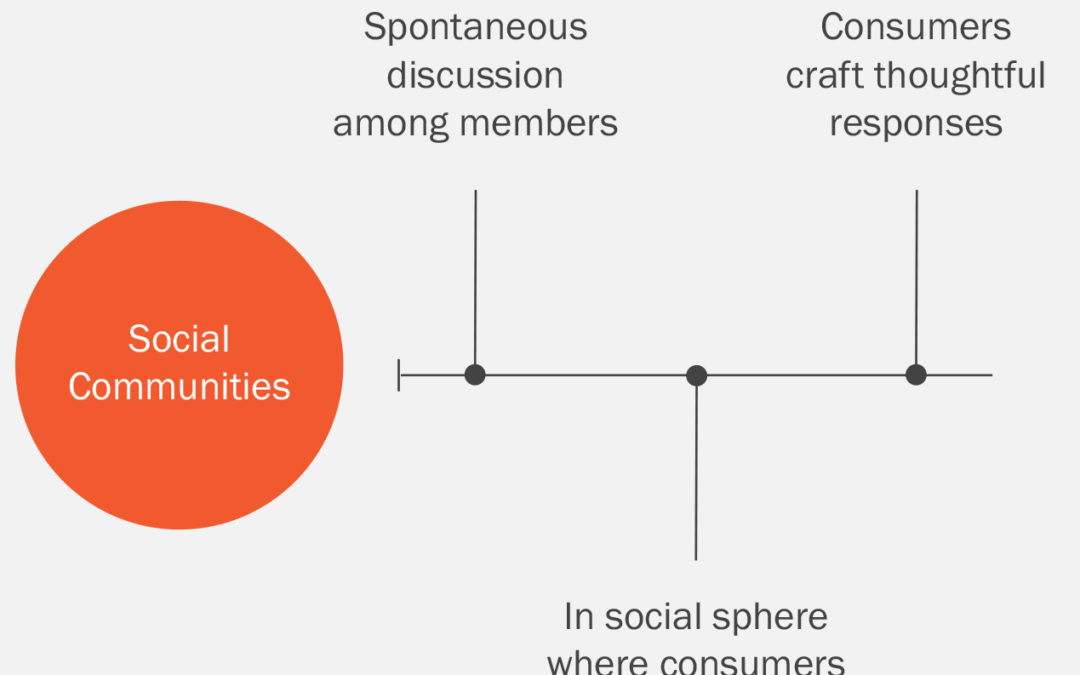
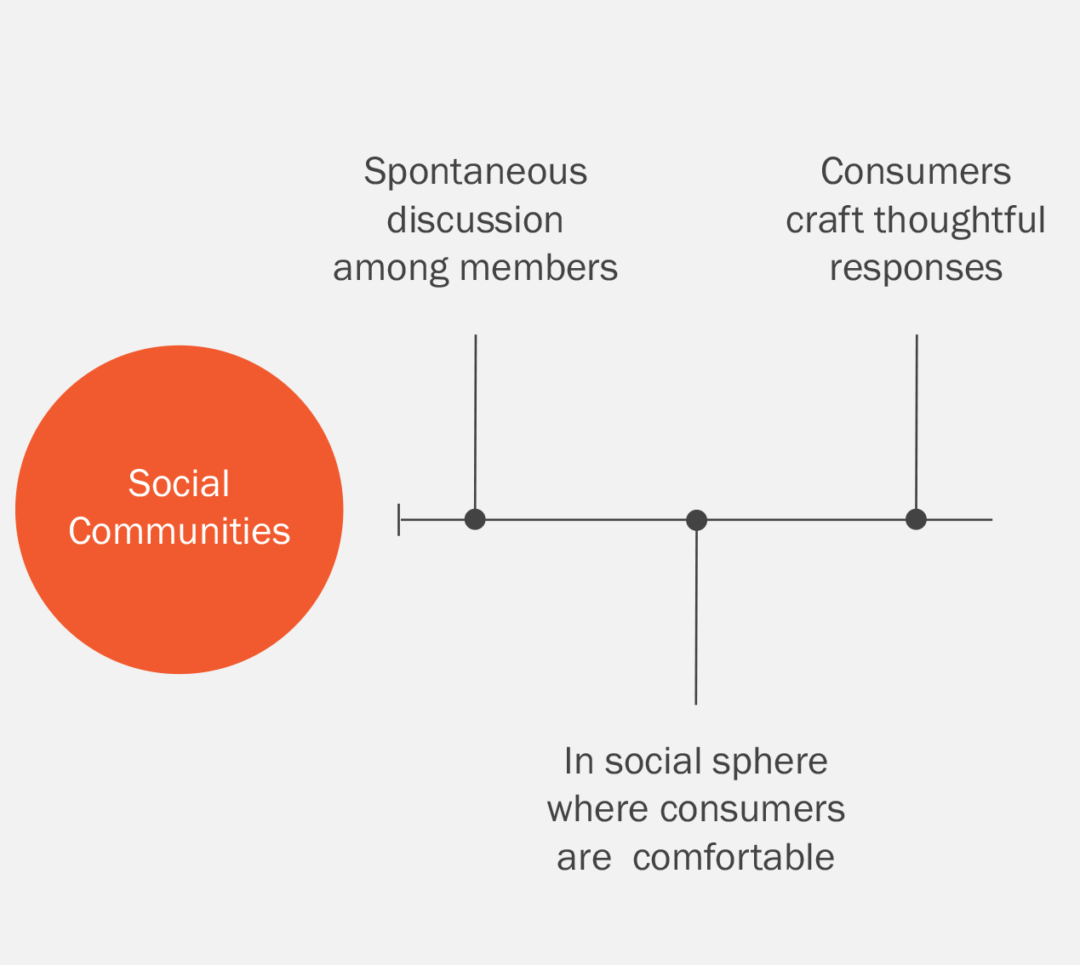
Social communities are market research’s best-kept secret. They allow researchers to tap into natural avenues for communication where people are comfortable: social media.

As a result, consumers are incredibly engaged and eager to offer up rich insight. In a world where emerging CPG
companies are disrupting the industry with their ability to hit

the pavement, learn from consumers quickly, and react strategically, social communities are invaluable.

They give big companies the opportunity to be agile. Not sold yet? Great, we’re going to explore three big reasons why they’re the best new research methodology you’ve never heard of:
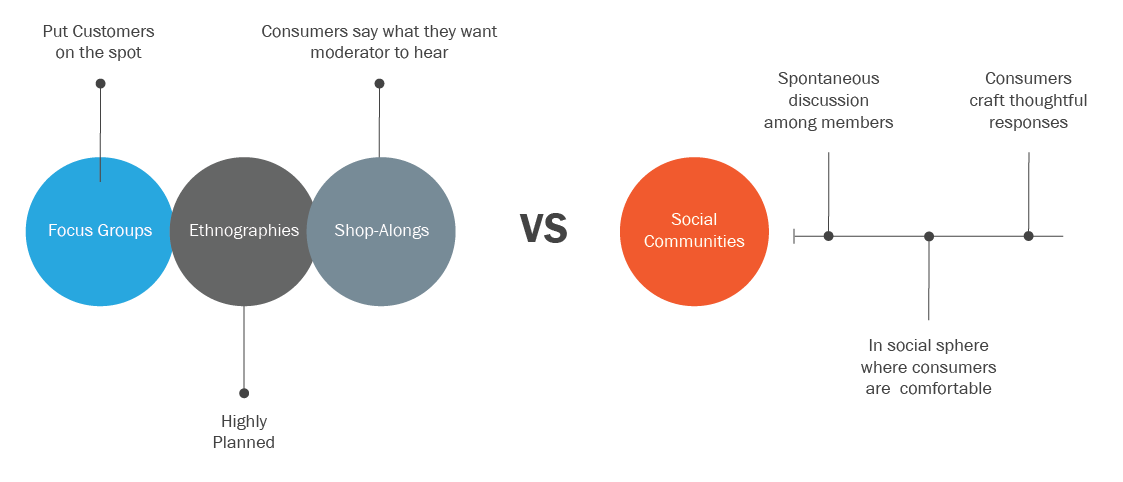
Social communities are powerful because they are already ingrained in consumers’ lives (think: Twitter, Facebook, Instagram). They’re also painless for participants (unlike traditional communities which require significant behavioral change).

We’ve heard time and time again how much consumers enjoy participating to the point where they are sad to see their community end. Traditional research methods like focus groups, in-home ethnographies, and in-store research, on the other hand, are more arduous for consumers because they require a substantial time commitment (usually in the middle of the day) and take place in artificial environments.

These methods help marketers understand general usage and shopping patterns, but they do not provide the same sense of authentic interaction as social communities. They are planned interviews, no matter how much you emphasize that they should reflect consumers’ “typical behaviors.”
Social communities yield insights that ultimately drive innovation, inform consumer messaging, and help refine shopper strategy.

Take a fictional case of a toothpaste manufacturer, for example. In our scenario, the toothpaste manufacturer leverages social communities to generate a breadth of insights related to the areas above (innovation, consumer messaging, and shopper strategy.) The company’s marketers are able to pick out the best insights and use them as the foundation for action.

Example: Toothpaste Manufacturer

You might be wondering: “If social communities are so great, why don’t we hear more about them in CPG?” The big reason is that they are labor intensive. They take a lot of time to facilitate, require a flexible research plan, and often necessitate extra buy-in from key stakeholders.

Despite the added effort, however, researchers who go the extra mile LOVE social communities because they elevate their qualitative insights. If you are hungering to foster an authentic connection with consumers and generate new, rich insights, you should consider them too.

Researchers LOVE social communities…and you will too!

“At the beginning, I thought ‘boy, this is going to be a long process.’ Now all I’m thinking about is how worth it communities are.”

“I never thought we could get such great data from social media.”

“This is truly a frontier in market research. In all my time in Insights, I’ve not seen qualitative learning this robust.”

To learn more about Social Communities, please contact us at info@seuratgroup.com
Predicting The Future In CPG

Predicting The Future In CPG

Predicting The Future In CPG

Predicting The Future In CPG

“An organization that doesn’t leverage its data in [a predictive] way is like a person with a photographic memory who never bothers to think.” – Eric Siegel, Predictive Analytics: The Power to Predict Who Will Click, Buy, Lie, or Die

The Power of Predictive

Predictive analytics is as close as an organization can get to peering into a crystal ball. It is the answer to the billion dollar question: “what is going to happen?”

From projecting the effectiveness of door-to-door campaigning during the 2012 presidential election to forecasting the number of high-risk patients for healthcare providers in the US, predictive analytics provides a distinct competitive advantage to those willing to invest. The problem is that few in CPG have realized this potential.

Definition:
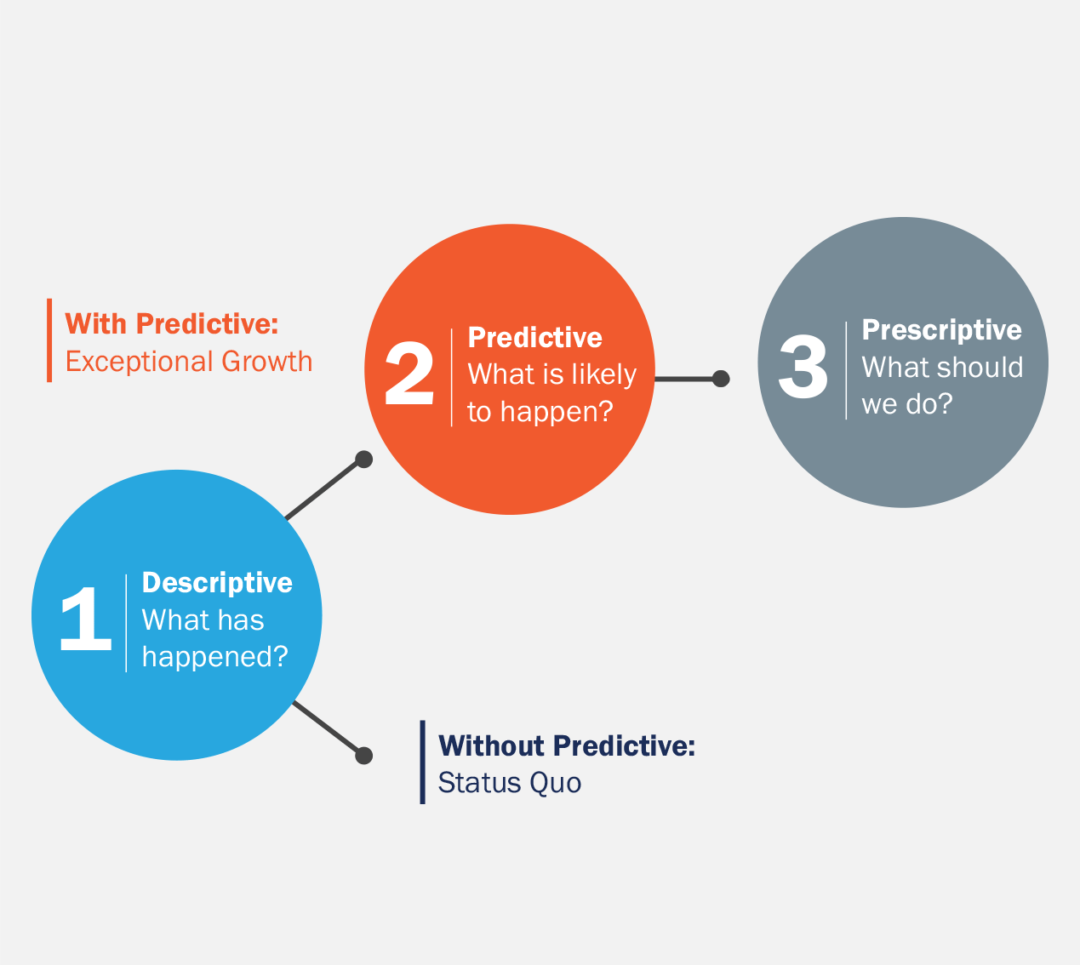
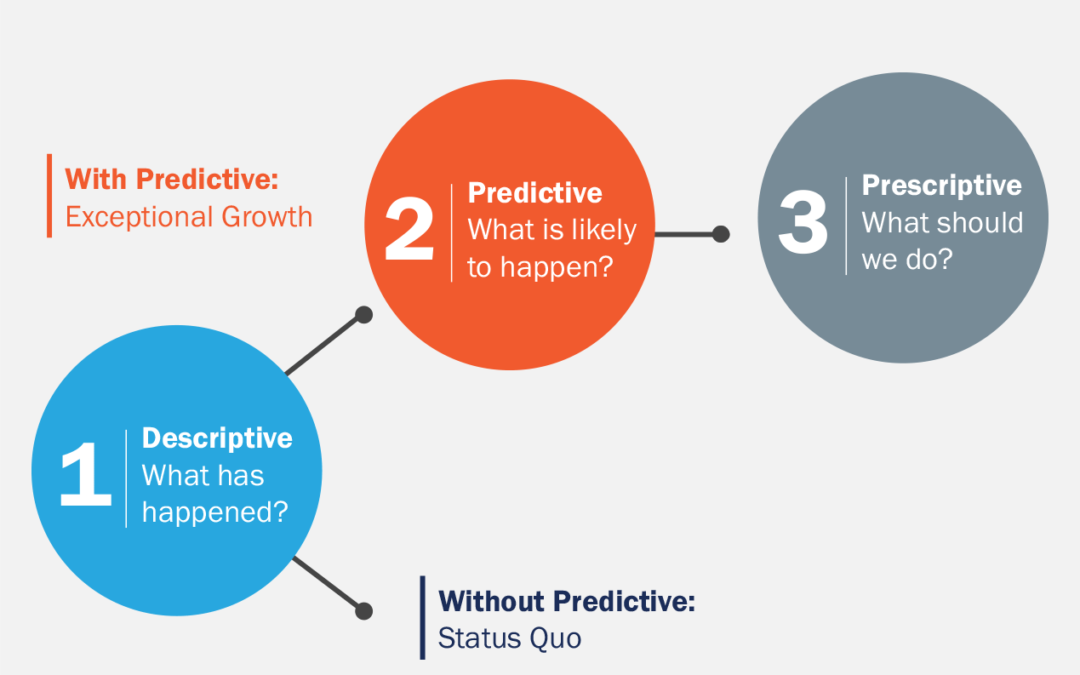
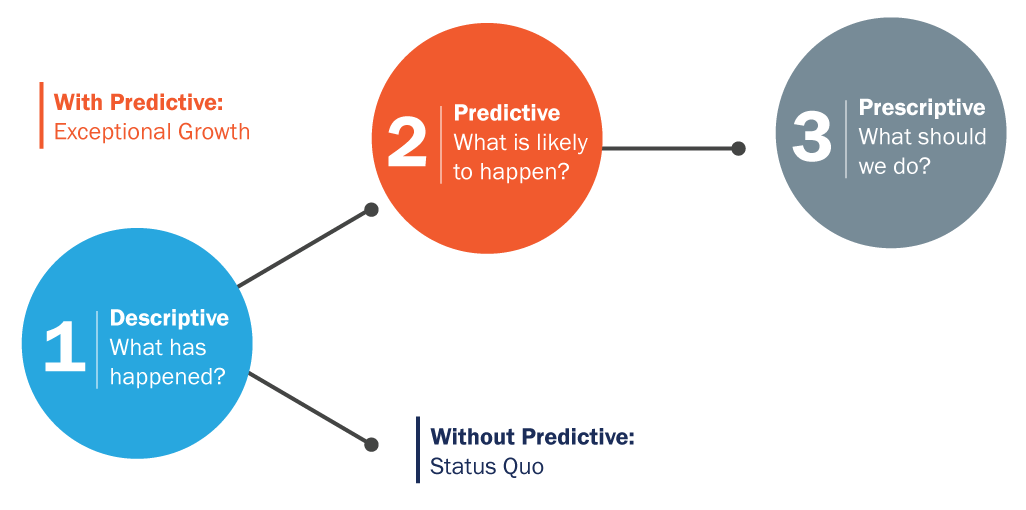
Predictive Analytics: The logical answer to the “what is likely to happen?” question. It is the practice of analyzing current and historical data to logically forecast future outcomes, trends, and behavior patterns.

Application: 
Predictive analytics enables companies to transform from reactive followers to proactive leaders.

Realizing the Predictive Potential

CPG retailers and manufacturers have mastered the art of descriptive historical analysis, which is valuable in its own right – for maximizing performance, reducing inefficiencies, and understanding how to better deliver against consumer and shopper needs.

Delivering against yesterday’s needs, however, fails to help these companies win in an ever-changing “world of tomorrow.” It skips the most important step in a powerful three-pronged approach1 to data analysis: prediction.

Predictive analytics has exploded across industries this decade. In fact, the use of predictive analytics more than tripled during the five years following the end of the recession, becoming a key strategy for unlocking growth.

Amazon is one company famous for its investment in predictive analytics, most notably to power its recommendation engine. Amazon’s predictive model is so effective that sales from recommendations account for more than 1/3 of total revenues.

The company is now turning its attention to a new predictive application: an anticipatory shipping model that cuts delivery times by shipping products to consumers, or in their direction, before they order them – all based on purchase predictions.

Spice manufacturer McCormick has also reaped the benefits of predictive analytics through its personalized recipe recommendation engine, FlavorPrint.

FlavorPrint initially gauges consumer taste preferences using a 20-question online quiz, and continually refines profiles by analyzing rated recipes and variables like weekday versus weekend patterns. It predicts which recipe recommendations consumers are likely to choose and when they are likely to choose them.

Thanks to predictive analytics, McCormick has captured a valuable competitive advantage in the digital engagement space. The company boasts 6 times more pages per visit to its website and an average website stay of 7 minutes5 – a number unheard of for most manufacturer websites.

It is programs like this that have made McCormick a proactive leader in CPG, contributing to the company nearly doubling its stock price over the past 5 years.6 There is a clear opportunity for other manufacturers to follow suit and invest in predictive analytics so that they too can transform from reactive followers to proactive leaders.

Applying Predictive Analytics in CPG

It’s clear that predictive analytics is a burgeoning game changer in CPG – the cornerstone capability for unlocking future growth.

Through years of helping clients leverage predictive analytics, we have identified 4 valuable applications across the industry:

Applications

2015 Examples

By leveraging predictive analytics to identify future consumer trends, a leading regional grocer optimized its portfolio of 20+ private brands down to 6 platforms well-aligned to current and future shopper need states.

End result: a strategic portfolio of brands that played well across all shopper segments.

The Clorox Company introduced a cold & flu Twitter conversation tracker that predicts flu incidence throughout the year based on volume of social engagement.

With this capability, Clorox can pinpoint peak flu season more effectively, and thus market cleaning products when and where consumers need them most.

A mid-sized manufacturer used predictive trigger analysis to identify factors that lead to the highest category spending.

This future-looking insight provided a more robust fact base beyond the usual category management metrics, and ultimately helped the company persuade retail partners to adopt its proposed guidelines – gaining share of shelf that exceeded share of sales.

A leading produce manufacturer built its long-term strategy based on forecasted purchase behavior. Using predictive analytics, it developed a future-looking decision hierarchy (PDH) that helped orient the business around a category-view of the behaviors predicted to unlock the greatest volume.

Conclusion

Tomorrow’s leaders will adopt predictive analytics as part of their foundational insight capabilities. It will take patience, careful planning, and a comprehensive strategic plan.

Despite these extra efforts, retailers and manufacturers that take strides to master the power of prediction will no longer act as passive followers, but rather proactive leaders capable of dictating the future. Companies that invest in predictive analytics will stay ahead of trends and drive growth, entering category whitespace before competitors get the chance to identify the same opportunities. They will be tomorrow’s leaders.

For more information on how predictive analytics can impact your business, contact the Seurat Group (info@seuratgroup.com).

Embracing Private Label To Drive Own Brand Growth

Embracing Private Label To Drive Own Brand Growth

Embracing Private Label To Drive Own Brand Growth

Embracing Private Label To Drive Own Brand Growth

Overview

As private label investment and share climbs, manufacturer brands will need to adapt new strategies for success and challenge the conventional approach of fighting against private label. Yesterday’s toolbox of managing price gaps and pursuing assortment and shelving optimization is no longer

the playbook for success. Manufacturers that are able to embrace private label’s role in the category, while clearly defining the incremental value that their brands bring to the category, will position themselves for true success in a growing private label world.

From Search

Private Label is an attainable, proven, profitable growth strategy across all retail channels. In an environment that is increasingly difficult to take price and grow share, retailers have chosen to aggressively pursue profit and sales growth through more sophisticated store brand strategies.

They are turning to private label to capture 25-30% higher margins, meet their consumers’ needs and provide unique offers that can create a compelling differentiation to drive traffic and loyalty.

Store Brands Have Momentum

Retailers have made significant strides in the effectiveness of their store brand portfolios, contemporizing the branding, innovating the assortment, and offering more services.

No longer is private label known as a generic or the ‘off brand.’ Today, retailers are fast to innovate and exploit new trends, in many cases leading innovation in categories.

Private Label is capturing share across channels, from Grocery and Natural channels to E-Commerce to Mass Merchandisers. Momentum continues to build.

The Case for Private Label Focus:

Retailers Face Declining Profits: 
In an environment that is difficult to take price, retailers must take margin.

Economy Remains Unfavorable:
Aproximately 1 in 7 people in the US received SNAP (Supplemental Nutrition Assistance Program) benefits1.

More Consumers are Open to Store Brand:
Millennials are more likely to purchase private label as they grew up with store brands being more than cheap alternatives.

Aging generations, triggered by a poor economy, have tested and enjoyed private label. They have lived through National Brand Equivalents and Generics and are now at a point in time that they cite the highest propensity to buy private label products.

Select Examples of Private Label Momentum:

Whole Foods:
Creating a new store format focused on value, and own brands to lower the cost of natural living

Meijer :
Meijer launching ‘True Goodness’ brand which offers products that are free from artificial flavors, colors and preservatives at an affordable price

Kroger:
Developed 3 new private labels to better meet a broader range of shopper needs: ‘p$$t’, ‘Heritage Farm’ and ‘Check This Out…’ – Simple Truth reached $1.2B in sales during 20142

Walmart:
Partnered with Ree Drummond – blogger, cookbook author and host of her own Food Network TV show – to create ‘The Pioneer Woman Collection,’ a line of modern country housewares exclusively sold at Walmart

Today’s Principles to Successfully Win Alongside Private Label

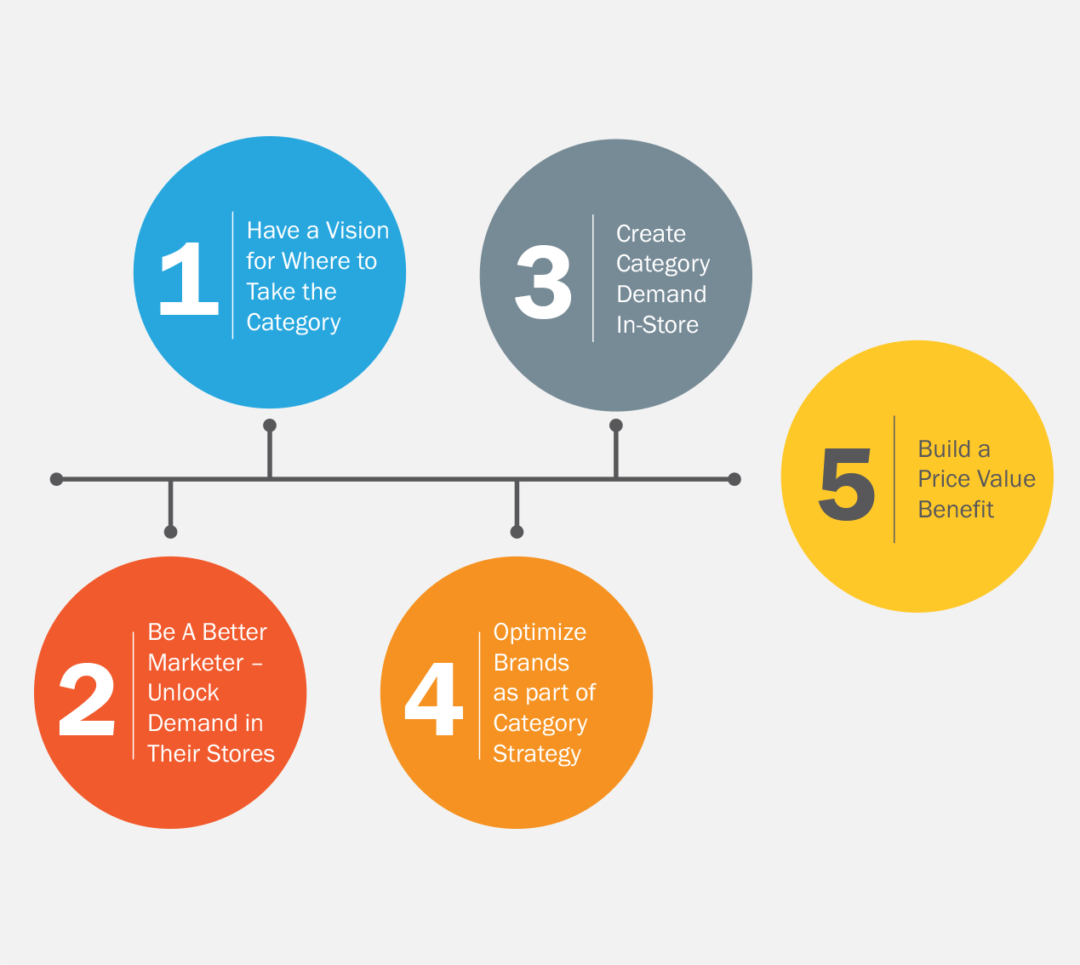
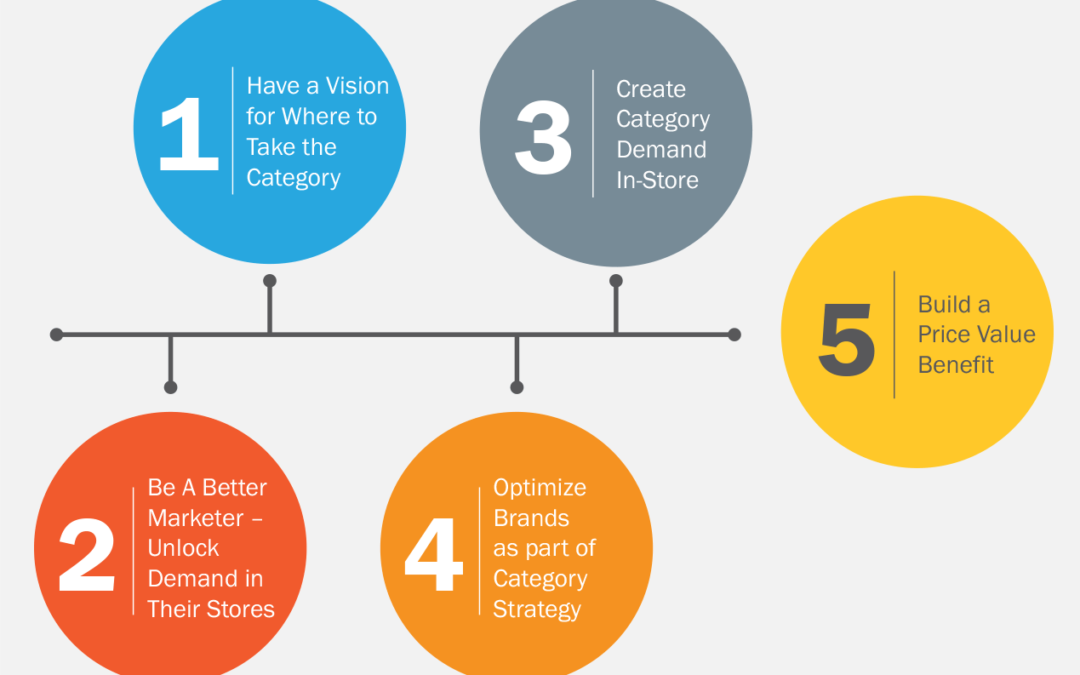
The following five principles represent the new ways to manage your branded business with the growing momentum of private brands in your categories.

They require Manufacturers to think differently to better partner with retailers through their private label, and to drive sustainable growth for the category and your brand.

Every retailer wants to know where the category is heading. Having a vision on where the category is going, the incremental value available, and the roadmap to get there, enables manufacturers to provide significant value beyond the category manager’s capability.

Communicating a clear understanding of the category dynamics and a vision for where it is going tomorrow is critical to lead planning and guide the role of private and leading Manufacturer brands.

Become the go-to partner for identifying whitespaces and innovation pipelines, educating shoppers, improving the in-store experience, and curating targeted messages that help your brands, private label, and the category grow.

While retailers are refining their ability to market to consumers outside of the store, the strength of national brands is their marketing capability. Bring demand beyond what a retailer can create.

Staying top of mind and relevant with today’s consumers is critical. Authentically reach out to your retail partners’ marketplace to develop a strong personal connection that continually motivates purchase.

Create Category Demand In-Store with Disruptive Merchandising beyond PL Capabilities:

In-store remains a critical battleground for your products. Although shoppers are rushing around on their usual route through the store, shopper’s are continually interrupted by new items, displays, sales, education at shelf, etc.

Seize the opportunity by grabbing the shoppers attention. Create demand for the category through various in-store levers beyond a retailer’s programs.

One in five shoppers say they impulsively buy categories that they had no intention of purchasing prior to entering the store, while 28% claimed to make their brand decision in-store.

Use Retailer Momentum to Optimize Brands as Part of the Category Strategy:

Be the Partner that helps retailers build private label share and capture more of the market. As private label reaches more shoppers, leverage its success to rationalize competitive brands, and focus on efficient assortment strategies (i.e. 2 or 3 brand strategies).

Working together, private label can capture ‘quality at a value,’ and the leading national player can provide incremental sales through ‘value added’ items.

Build a Price Value Benefit to Help Retailers Capture Lower Tier Shoppers:

How value is defined varies from shopper to shopper, and willingness to pay rapidly changes as new benefits are introduced to the market.

For manufacturers, it’s not about low cost, but meeting a need at a lower price point. While private label can stand for ‘quality at a value,’ national brands need to embrace the value tier by having a competitive offer that is appropriately supported – driving branded sales, but also helping retailers gain a bigger share of the growing value segment.

Conclusion

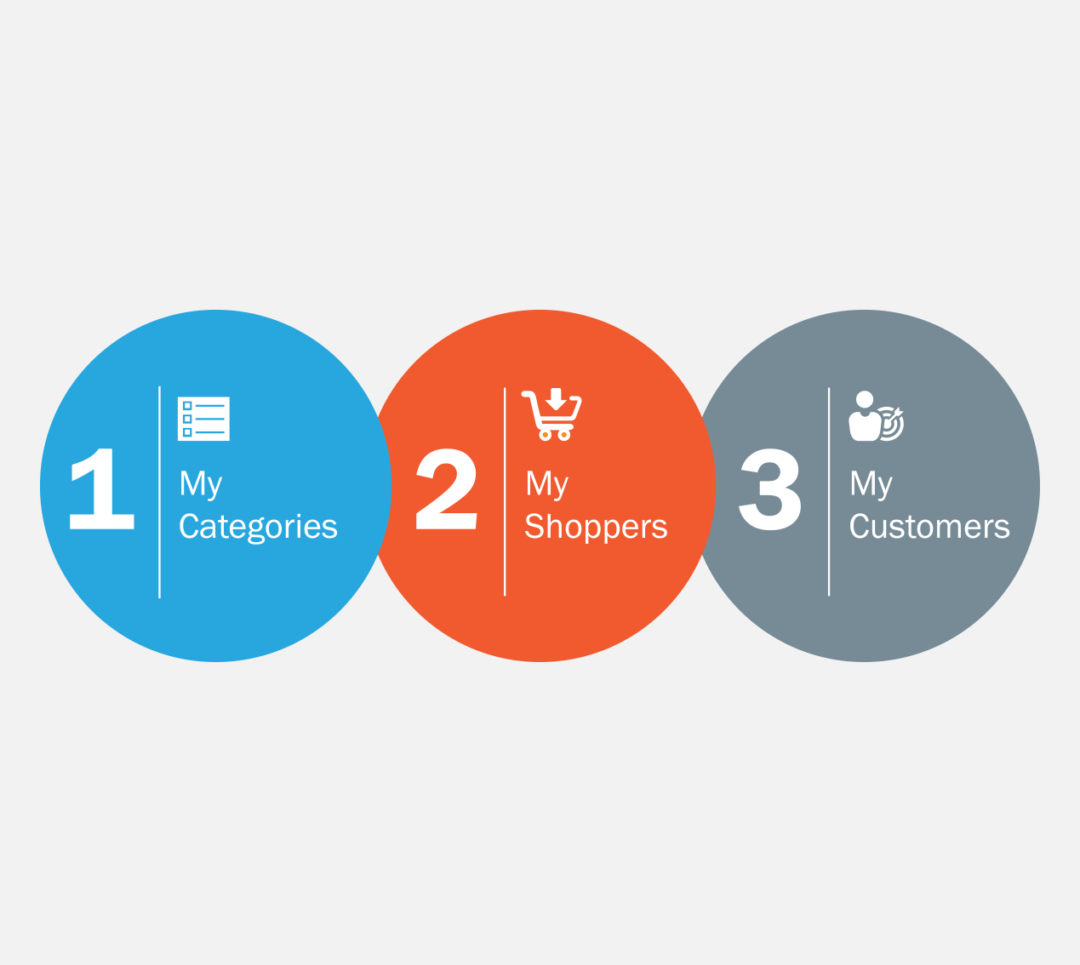
The above five principles require a holistic approach to the category, your consumer, and your customer. To play better alongside private label, national brands must have a view on where the category is going, provide incremental value both out of store and in store, and embrace the value tier to win share for themselves and the retailer. The retail landscape has changed, and to be successful national brands need to re-establish their position, including how to best fit with the retailer’s assortment and their consumers’ needs, while continuing to leverage their greatest asset – flexing their marketing muscles to generate demand for the category.

5 Ways to Drive Big Brands in the Challenger Age

5 Ways to Drive Big Brands in the Challenger Age

5 Ways to Drive Big Brands in the Challenger Age

5 Ways to Drive Big Brands in the Challenger Age

Introduction

Much has been written about the shift in consumer preferences from older, larger mass-merchandised brands to younger, smaller emerging brands. This shift has captured the attention of brand managers and C-suite executives alike, causing many

large consumer packaged goods (“CPG”) firms to focus on emerging brands within their portfolio—sometimes at the expense of the massive heritage brands upon which their firm’s success was built.

While this shift in consumer preferences merits attention, maturity and size need not be a death knell for big CPG brands. Of the 100 biggest brands in food, drug, mass and convenience, almost 40% saw growth in their most recent year-over-year revenues, with an average gain of 5.5%.1

The most successful big brands have been able to drive consistent financial and brand performance, even in the face of consumer headwinds. Oreo, for example, drove absolute dollar sales growth of 26.9%

from 2011 to 2014, despite its resistance to catering to health or gluten-free trends.2 Managed correctly, big brands can still be an engine for growth for CPG companies for decades to come. For this reason, the Seurat Group’s latest study focused on uncovering what successful big brands do differently to drive lasting growth.

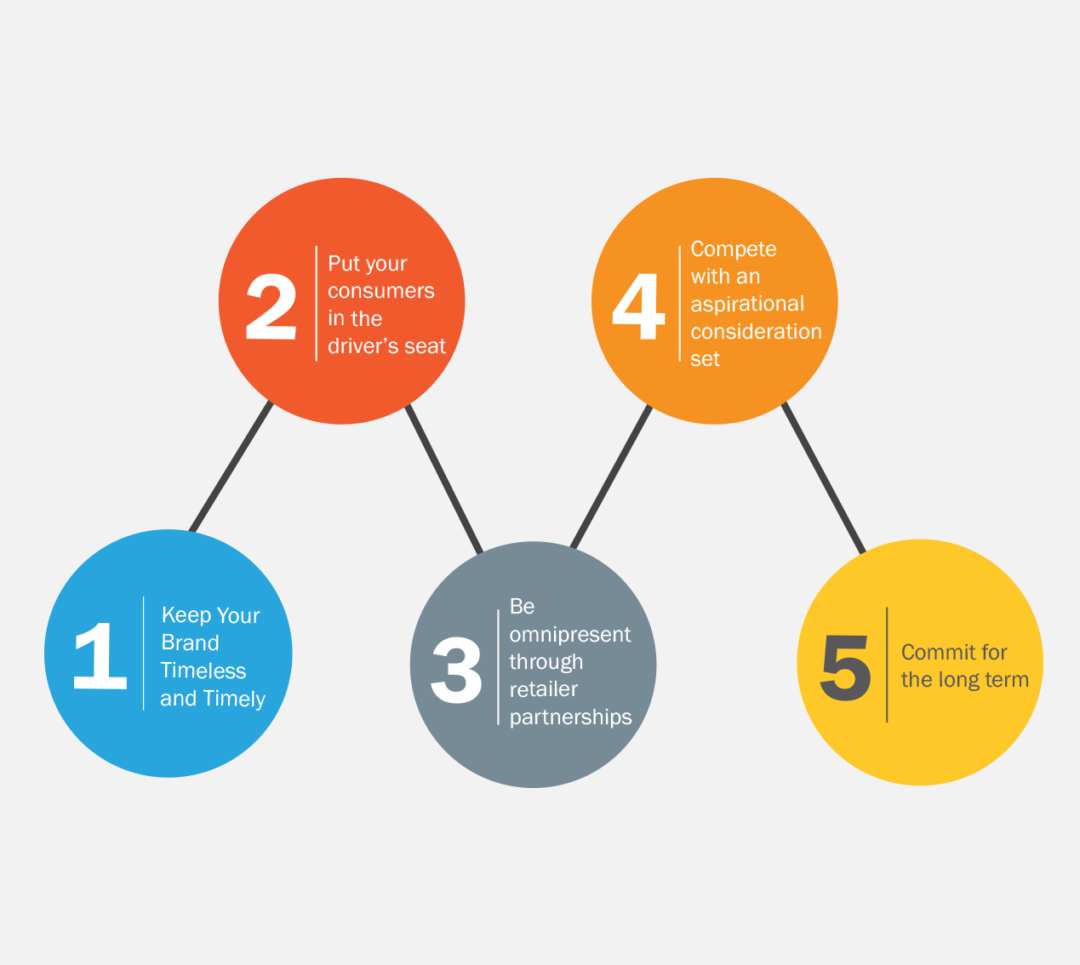
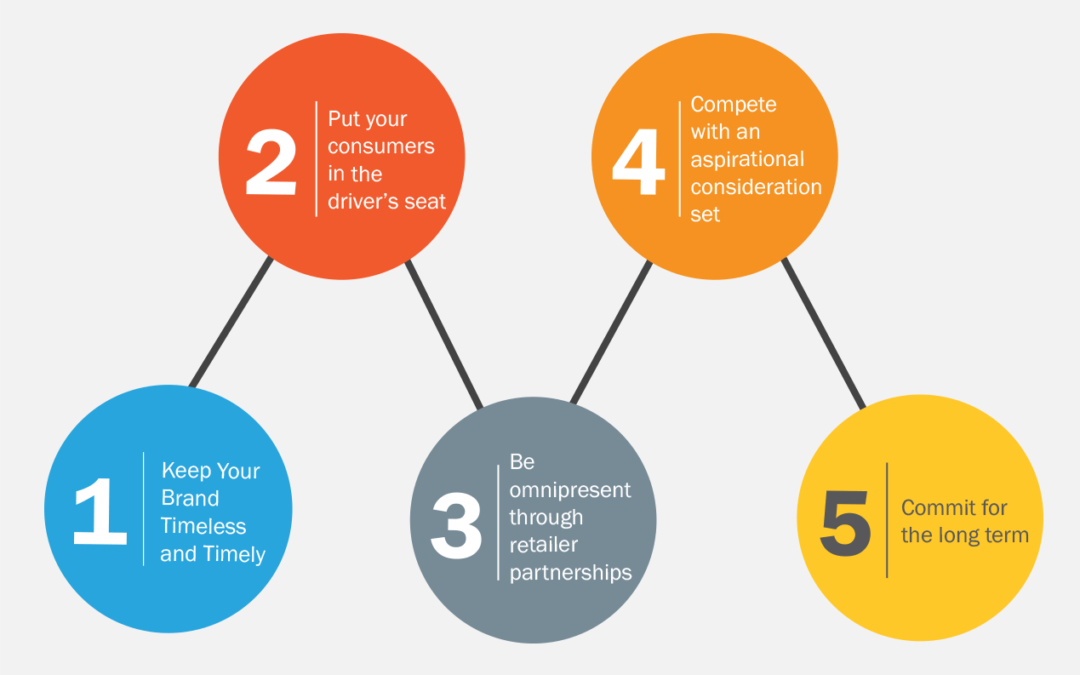
In order to unearth how big, established CPG brands have maintained relevancy and growth, we have distilled learnings from successful and unsuccessful brands alike into OUR BIG BRAND PLAYBOOK, a collection of 5 ways to drive Big Brands in the Challenger Age.

Our Big Brand Playbook

“In matters of principle, stand like a rock; in matters of style, swim with the current.” – Jefferson

Successful Big Brand managers understand the delicate balance between being timeless—that is, staying true to their brand’s central value proposition—while also being timely—that is, subtly updating over time to remain fresh and modern. Key to maintaining this balance is a knowledge of a brand’s limitations, and knowing when to say no.


Refocusing brands on their core value propositions has helped several Legacy players return to success. Starbucks was able to bring itself back from the brink by reemphasizing its central value proposition: offering a truly great coffee experience.

Prior to the recession, a memo by Howard Schultz, the company’s then-Chairman, was leaked that described how growth decisions—an increased emphasis on store merchandise and non-coffee sales, the loss of the smell of roasting coffee beans in stores, new coffee machines that blocked consumers’ interactions with their barista—had “led to the watering down of the Starbucks experience.”

Store traffic and sales had already started to slow, and in 2008 the company announced plans to close 600 of its stores—around 10% of its footprint at the time—after the worst quarter in its history as a public company.

In a massive turnaround, the company focused solely on the coffee experience, divesting itself from noncore activities like book and music sales and investing in barista training.

As a result of this renewed focus on the customer experience, Starbucks saw sales increase 10% in the year following the store closures.

Since the company’s realignment around its coffee experience, performance has remained robust; as of 2015, the company had seen a 22-quarter run of same store sales growth above 5% that continually drove its stock to new all-time highs.

Similarly, for Lego, the Denmark-based toy manufacturer, deemphasizing its core product, the brick, in favor of on-trend but brand-off extensions like wristwatches, publishing, and lifestyle products had put the brand under extreme duress in the early 2000s. Believing its core product to be out of date, the company had practiced a strategy of ‘deemphasizing the brick’ throughout the 1990s; in 2003 and 2004, the brand lost 2.5 billion Kroner.7

Faced with near-bankruptcy, the brand focused entirely on its brand heritage, which it embodied in its new mission statement: to inspire and develop the builders of tomorrow.

The brand moved quickly to shed its noncore activities and to funnel its innovation into its core product line. By focusing entirely on the brick, Lego was able to satisfy its core consumer, and in 2014 the brand posted record sales ($4.5B).

Instead of looking to other marketers or industry trends, managers of successful Big Brands are those who use their core consumers to originate new innovation and product lines. Instead of fearing cannibalization, they embrace new consumer occasions that fit into their brand’s central value proposition.

Gatorade, for example, has used its core consumer target — high-performance athletes — as a continual source of insights for innovation. In developing its G Series, a new line of sports performance products, Gatorade and its scientists solicited feedback from more than 10,000 athletes and collaborated closely with high-performance professionals like Usain Bolt, Serena Williams, and Peyton Manning to develop a line of products that would support improved performance before, during, and after a workout, practice, or competition.

Similarly, Lay’s now-annual Do Us a Flavor campaign enlists thousands of consumers’ suggestions every year in order to come up with the potato chip’s next new flavor.

In 2014, the U.S. competition received more than 14 million votes from interested consumers.9 Executives have credited the campaign’s success to letting consumers take ownership through the creation of their new flavor and sharing their preferences online. “The days of focus groups—it’s over,” said Ann Mukherjee, president of PepsiCo’s global snacks group and global insights division at a recent presentation at Wharton. “It’s really about observing behavior.”

As a result of allowing consumers to directly inform its innovation, Lay’s yearly sales rose 14% after the campaign’s first deployment.10 The continuation of this campaign has actively contributed to Lay’s 12.7% absolute dollar sales growth from 2011-2014, placing it among the top performing big, established brands.

In an increasingly crowded consumer, media, and retail landscape, Big Brands must be pervasive in order to capture share of mind. In order to achieve this preemptive presence, they leverage key retailers to gain priority in distribution and display.

Nestle’s Coffee-Mate, for example, has driven brand growth by driving outsized share-of-mind during the holiday season. The brand takes care to launch its annual holiday flavors, such as Gingerbread and Pumpkin Spice, with a high level of customer support intended to capture valuable display opportunities.

By enabling an on-the-ground merchandising team to help keep the shelf tidy during the hectic holiday season, the brand is able to provide a valuable service that retail partners appreciate.

The endcaps and special holiday display sets that the brand is able to capture as a result play a large role in driving sales. This strategy, which the brand has employed for nearly a decade, has helped drive category success even in the face of movements towards plant-based milk alternatives.

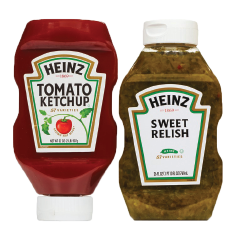
Heinz, similarly, uses its strength in foodservice to help establish its positioning as America’s Favorite Ketchup. In addition to its retail business, the brand maintains a strong presence in foodservice where it uses its prowess in packaging innovation and flexibility to help test new flavors while gaining consumer share of mind.

For example, its recent spicy ketchup flavors, Sriracha and Jalapeno, were first released in foodservice in order to cater to a growing Millennial desire for hot condiments. By influencing consumers when they are inclined to try new flavors, the brand then has a greater opportunity to drive trial at retail, where these flavors were later.

In order to resist commoditization, successful Big Brands forsake degrading their product. Instead, they challenge themselves to compete on product quality with an aspirational consideration set of competitors for their consumer’s dollars.

Victoria’s Secret, for example, has maintained its primacy in the lingerie specialty retail market by continually holding itself to a set of aspirational peers. “We are concerned with niche players, like Myla, Cosabella, La Perla, and Agent Provocateur,” said Hadley Hatch, a brand strategy manager. By looking to these luxury players for trends and innovation, Victoria’s Secret can assess which niche trend is worth bringing into the mainstream market. While these High Street competitors sell at a very high premium — Victoria’s Secret’s average bra retails for approximately $30, while Agent Provocateur charges up to $1,100 — Victoria’s Secret has been able to drive impressive sales growth by using its peers’ successes and failures to drive their innovation. As a result, Victoria’s Secret sales were up 6% in the most recent fiscal year.

But considerations need not be against luxury peers in order to drive true competitiveness on quality—they just need to drive consumer preference across a broad array of products that can fulfill their consumption occasion.

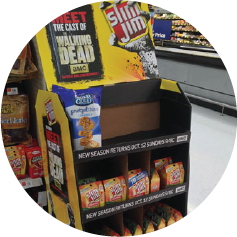
As one prior marketer for Slim Jim, a leader in meat snacks, told us, “the consumer’s comparison set isn’t Jack Links – it’s snacking in convenience stores.” Products need to compete not merely with their closest brand or private label competitor but with all the products that compete for that consumer’s attention during the meal, snacking, or consumption occasion.

By striving to compete not just with products within the meat snacks category but with the broader product set available within this channel, Slim Jim has driven robust sales growth of 13.2% for the 52 weeks ending in September 2015.

No business lasts without sustained and holistic investment. In order to see Big Brands thrive in the long term, successful managers prioritize the brands they want to last even when confronting changes in market sentiment and continue to invest in marketing across multiple platforms.

While many Big Brands with mass positioning pour their funds into promotions to win short-term sales bumps, successful players continue to invest in brand-building activity for the long term.

Throughout its sixty-year history, Unilever’s Dove personal care brand has exhibited a concerted investment across a wide variety of marketing vehicles. Since 2004, its Campaign for Real Beauty has leveraged advertisements, videos, workshops, and events to provoke discussion and encourage debate around society’s definition of beauty.15 While seemingly tendentiously linked to sales of bar soap, the brand has nearly doubled in size since the campaign was inaugurated, growing to $4B in sales in 2014 from $2.5B in 2004.

Dove’s long-running Campaign for Real Beauty shows the brand’s commitment to continued support.

Similarly, P&G was able to revitalize the aging, dated Old Spice brand through thoughtful marketing and investment in brand equity. When P&G bought Old Spice, the brand’s then sixty-year-old positioning had caused sales and market share to dwindle.

But instead of optimizing the brand and selling it to the cheapest bidder, P&G invested in marketing and brand-building strategies necessary to target a new audience –Millennial women shopping for their partners. In 2010, the success of its campaign, “The Man Your Man Could Smell Like,” was a runaway success that drove a year-on-year 125% increase in sales.

Conclusion

Big Brands are more than just cash cows. With Big Brands still representing at least 70% of the top 5 CPG firms’ sales, managing these brands to maintain long-term relevancy and growth can reward CPG firms for years to come. But with emerging threats on the horizon, traditional brand marketing is necessary, but not sufficient, to guarantee Big Brands’ success.

Are your Big Brands set up for long-term success? The Seurat Group is a leader in using insights to drive Big Brand success in the Challenger Age. For more on the success drivers to harness today to ensure the future of your Big Brands, contact the Seurat Group (info@seuratgroup.com).

MyClickstream: Connecting The Dots in Your Omnichannel World

MyClickstream: Connecting The Dots in Your Omnichannel World

MyClickstream: Connecting The Dots in Your Omnichannel World

MyClickstream: Connecting The Dots in Your Omnichannel World

Omnichannel Missing Link

Today, only about 1% of Consumer Packaged Goods sales are online. By 2018, that number is estimated to be 5%, with a full one-half of CPG growth estimated to be from online purchases.

Small brands are winning disproportionately online, gaining shoppers and engagement that can be parlayed into an in-store threat. For example, of the top 5 shampoos on Amazon.com, only 2 are available in brick & mortar retailers.

Winning online requires understanding the shopper’s full path-to-purchase in the increasingly omnichannel environment that shoppers are living in today.

Do you know how your shoppers are behaving online? Do you know whether those searches end up as purchases online or offline? What retailer they end up purchasing from and why? Is it better to invest in images, product detail content or in search? How does this differ between Amazon.com, Target.com, and Walgreens.com?

Manufacturers and retailers have expended significant resources toward understanding how shoppers are behaving and navigating in-store, but that same effort has lagged online.

This is because information on how to do this is limited, and manufacturers are hesitant to invest when approach and outcome are unclear.

Nevertheless, the time to understand omnichannel behavior and develop a winning strategy is now, before smaller, challenger brands take a permanent lead.

Limited Options Today

Few solutions exist today to fully understand and take targeted action against shopper behavior in order to grow brands online.

Current options rely on getting data from ecommerce platform owners, buying historical metrics from an online panel company, or conducting your own primary research by asking shoppers to recall purchase behavior and decisions.

Each one of these approaches comes with drawbacks around accessibility, flexibility, or accuracy. As a result, brands still lack the ability to develop a 360o view of their shoppers’ paths to purchase online and turn that into a truly differentiated omnichannel growth strategy.

The time is right to close this gap and begin to truly understand and anticipate shoppers’ changing needs. Doing so will provide the information needed to:

With the limited resource environment that most brands are living in, it’s critical to understand which elements online are driving shoppers to your brand.

Are they searching for your name or for your category? Are shoppers reading product content or reviews? What behaviors mark someone who buys your brand versus your competitors?

With the limited resource environment that most brands are living in, it’s critical to understand which elements online are driving shoppers to your brand.

Are they searching for your name or for your category? Are shoppers reading product content or reviews? What behaviors mark someone who buys your brand versus your competitors?


Find out what shoppers are searching for online and what they are browsing for that they can’t find or how they are being satisfied by your competitors.


Understand what shoppers react to positively and negatively online, and what marketing levers are more likely to lead to conversion or trade-up.

How to Connect the Dots in Your Omnichannel World

Closing these gaps requires the right custom data and approach to capture both what shoppers are doing in a specific category and why they are doing it.

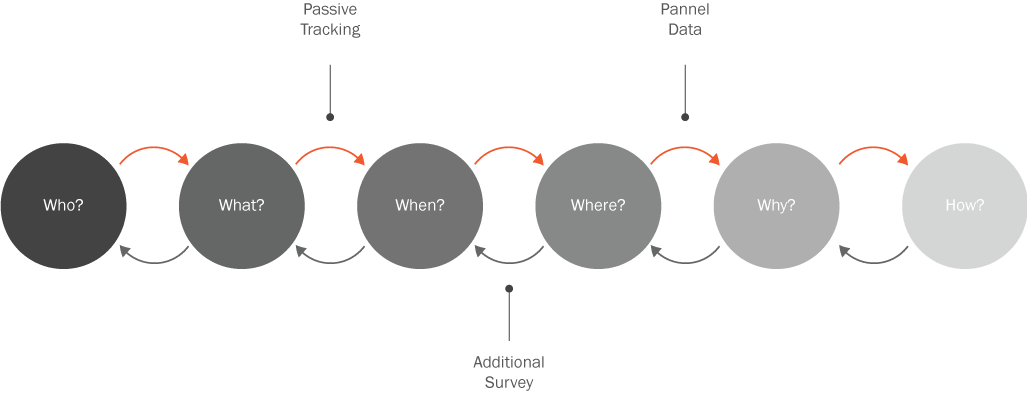
Seurat’s myClickstream methodology gathers and integrates disaggregated data across the entire path to purchase. With this capability, we are able to answer a dizzying array of questions about shopper actions and motivations, ultimately allowing you to influence shoppers at the point of purchase by offering them the right solution in the right place at the right time.

Each of the three complementary data sets plays a unique role in understanding the shopper:

Shoppers download an app to their computer, tablet or phone, which captures every URL they click on.

These same shoppers in a panel share their purchase receipts in brick & mortar and/or online with us.

Shoppers take an attitudinal survey, allowing us to understand motivators: why they behave in the ways exhibited from passive tracking and/or purchasing data.

Through these three steps, we are able to understand
shopping missions and retailers chosen, navigation and trip missions, purchase decisions, and drivers/motivations to purchase across brick & mortar and ecommerce.

Being able to link this data at the household level enables deeper understanding of how online behaviors convert into purchases on and offline and can be used to generate actionable insights that will trigger desired shopper behaviors.  Additionally, this dataset is owned by you, enabling greater depth and flexibility of learnings.

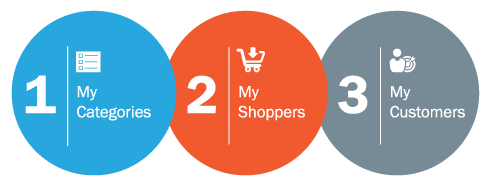
This engine can be continuously mined to dig deeply to uncover new, compelling insights as new questions and needs arise. This ownership and deep level of detail enables you to engage in a highly customized way with your categories, your customers, and your shoppers.

The breadth of learnings achievable through myClickstream can be used to derive custom insights from the data to
arm the entire demand plan, ranging from customer and category planning to omnichannel leadership to capability development and marketing activation.

Contact us at info@seuratgroup.com or (203) 774-4900 to learn more about including MyClickstream to build your business online.