No Results Found
The page you requested could not be found. Try refining your search, or use the navigation above to locate the post.

 |
 |
It is widely known that smaller, emerging consumer packaged goods (“CPG”) brands are winning the battle for consumers’ hearts, minds and wallets from larger, established CPG manufacturers. Roughly $15B in revenue1 has shifted from large to small brands to date this decade (or nearly 2.5 points of market share). Increasingly, these smaller brands are challenging convention and better responding to consumers’ needs through innovations in positioning, product, packaging, distribution, and communication—ushering in the decade of the Challenger Brand.
In order for old and new firms alike to innovate and unlock incremental growth in today’s marketplace, they will need to build brands, structure their organizations, and go to market in a whole new way. They will need to reflect the successful practices of a Challenger Brand. The purpose of this next installment of our Challenger Brand series is twofold:
Simply put, Big CPG has been over-reliant on brand proliferation and is struggling to create organic growth. Strategic focus on line extensions, pack size changes, in-and-outs, and incremental flavor innovation continues without success for two reasons.
Firstly, Big CPG’s limited consumer scope prevents radical innovation, as these firms talk to the same category consumers over and over. Secondly, these firms’ organizational inflexibility stymies attempts to innovate, as they are locked into existing manufacturing processes and large systems investments and have to chase quarterly financial expectations.
Against the void of innovation from large firms, Challenger Brands are assuming the mantle of bringing true category innovation to market.
Successful Challenger Brands — those that disrupt established category dynamics and stimulate long-term growth — are able to either re-segment an existing category, as with Pretzel Chips within salty snacks, or develop new consumption occasions, such as with Plum Organics’ launch of baby food pouches.
While this dynamic exists across all of the key sectors within CPG — food and beverage, household products, beauty and personal care, pet care, and over-the-counter (“OTC”) medication/supplements — we focused our research on the most promising brands in the largest and most active CPG sector — food & beverage.
As innovation in food & beverage has risen more rapidly than in other sectors, we believe these learnings apply broadly against industries that have yet to see increased Challenger activity.
Our process included three steps to understand Challenger brands from the perspective of the manufacturer, the consumer, and the shopper/retailer:

We conducted in-depth research to understand each brand’s point of difference, its competitive advantages and disadvantages, and its brand story.

The result was a consumer score for each brand that broadly indicated consumers’ perception of each brand.

Our goal was to determine each brand’s at-shelf appeal to shoppers, in-aisle competitive set, and barriers to purchase.
Through this work, the following ten brands rose to the top as the most promising Challenger brands of 2015, poised for mainstream success in food & beverage.
Our ten brands span across different departments, temperature states, and brand life stages. Collectively, they exemplify the best practices for Challenger Brands today.

We investigated the strategies these brands have used to drive their success, with the goal of offering both suggestions for how to spur revenue growth by competing like Challengers as well as recommendations
around how today’s retailers can identify tomorrow’s brands to watch. The following are the five best practice principles that these brands exemplify.


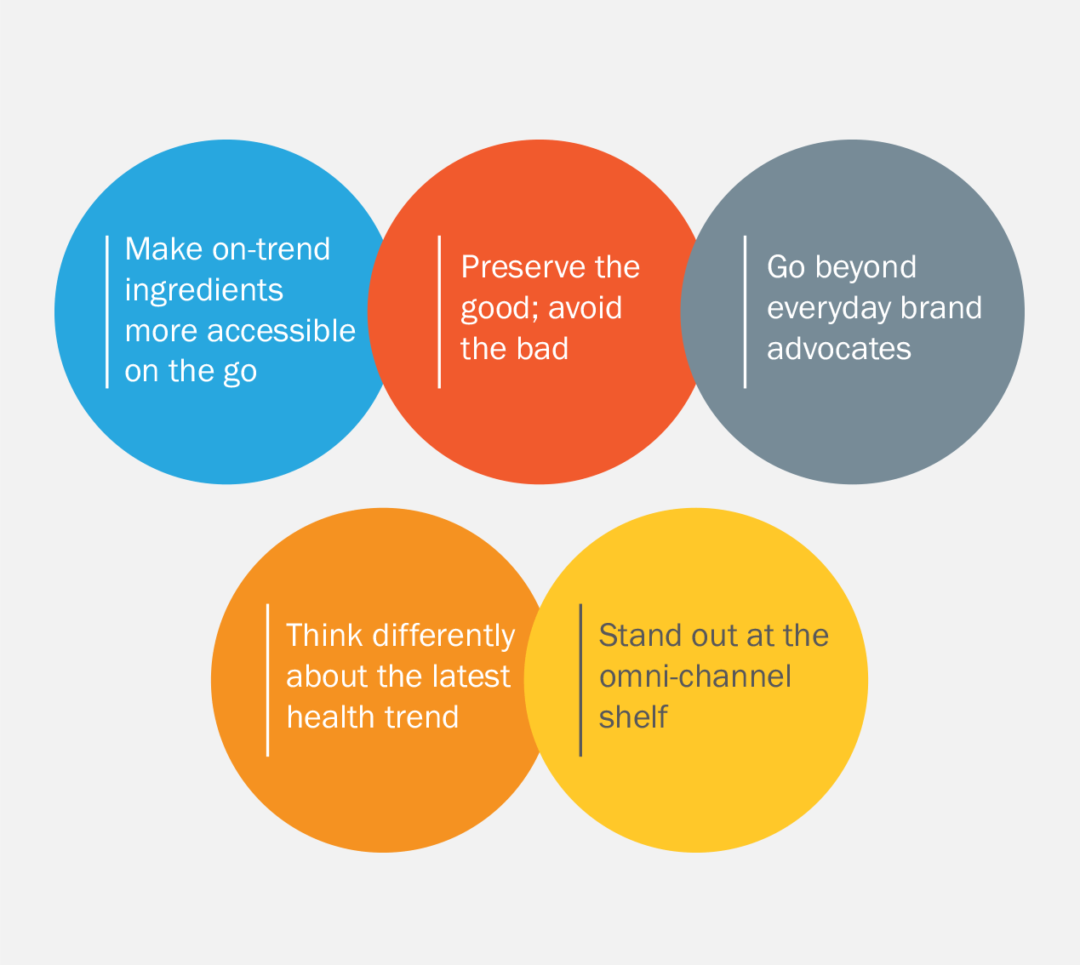
Product and packaging innovation are avenues through which today’s challenger brands have created portable, single-serve snacks from former bulk or additive categories.
Chia seeds, for example, were previously a supplemental ingredient added to foods like smoothies, salads, and cereal.
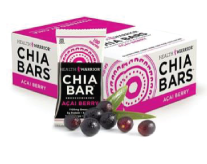
Heath Warrior was the first player to convert the superfood into bar form, tapping into the exploding interest in the ingredient (Chia seed growth was tracked at 239% growth at the end of 20122), thus creating added value in the form of convenience.“ Health Warrior has made chia seeds more accessible for portable consumption.
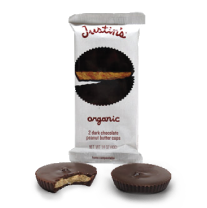
Justin’s Nut Butters took a similar path, but focused on packaging innovation. The nut butter category has been on-trend for several years, as evident from the 34% growth it experienced between 2008 and 2013, yet line extensions have driven a large portion of innovation (37%).
Justin’s created a differentiated offer—nut butters for on-the-go—through single-serve squeezable packs. The resulting brand equity has allowed Justin’s to branch into new categories such as confections, with the introduction of Justin’s chocolate peanut butter cups. Justin’s features squeezer packs of nut butters for on-the-go protein fixes.
Health Warrior and Justin’s, among other brands, are giving larger players a run for their money by expanding consumption occasions through meeting consumers’ needs for superfoods that are more accessible and portable.

The rise of organic exemplifies consumers’ growing interest in consuming the good while avoiding the bad — GMO’s, additives, corn syrup, hormones, and chemicals.
Today’s most promising brands are able to keep up with consumers’ changing demands through manufacturing innovations and nimble supply chains.
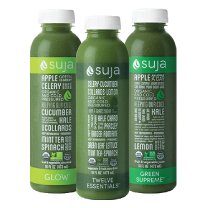
Suja Juice, for example, developed high pressure processing, an alternative to high heat processing, to manufacture a range of juices with the good — a higher yield of vitamins, minerals, and enzymes and longer shelf lives — without the bad — the harmful bacteria sometimes found in unpasteurized juice. Suja Juice’s high pressure processing extends shelf life without sacrificing nutrients.
 “Suja is making it happen with the advocacy marketing model and without the corporate oversight that doesn’t ‘get it’. They are concretely in the throes of the ‘Smart Mainstreaming’ conundrum. Co-founder and CEO Jeff Church gets it.” – Industry Expert
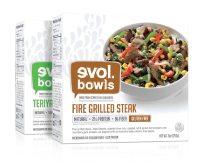
Evol stands out as another brand that is able to offer consumers the good without the bad using a well-organized supply chain and sourcing transparency.
Despite the fact that frozen meals are “historically an extremely difficult category to succeed in with the powerhouse manufacturers and competitive pricing, we see traditional players like Stouffer’s, Lean Cuisine, and Banquet declining as newer, differentiated players steal share.”
Evol has modernized frozen meals by creating a “real food” offer: free-range or ranch-raised meat and non-GMO grains, vegetables, and oils. Both Suja and Evol have developed processes — manufacturing, supply chain, and marketing — to guarantee their products can keep up with ingredients consumers are demanding or avoiding, and ensure they are made aware of the unique offers. Evol has brought nutrition back to the frozen meals category.

Brand advocates have proven to be an effective strategy for driving product sampling, brand awareness, and adoption of the lifestyle surrounding a brand.
Today’s Challengers, however, are going one step further to highlight advocates who can best inspire or educate consumers, such as health professionals, store associate “experts” or professional athletes.

Vega has developed a team of ambassadors that includes Olympic medalists, a professional MMA Fighter, an Olympic water polo player, professional cyclists, MLB layers, and nationally-recognized nutritionists and yogis—not to mention in-store advocates that influence that critical last three feet to purchase. Vega enlists professional athletes as brand ambassadors.
 “When we look at growth strategy, it comes down to finding the best way to inspire, educate and engage people who see clean nutrition as a support for healthy living.” – Cristina Pagnucco, Social Media and Online PR, Vega6

Health Warrior employs a similar approach to brand advocacy. Consumers are urged to join their ”tribe” of professional athletes: ultra-marathoners, NFL players, personal trainers, and product users who have prioritized diet and exercise in their lives. Anyone can enter to join the tribe by describing their personal Warrior Way, and few lucky winners are featured on the brand’s website.
Vega and Health Warrior are among many brands that have focused on improved functional performance as a key benefit of their products. In 2014, product launches targeting endurance athletes within the sports nutrition market increased 64%.7 Nevertheless, these brands have distinguished themselves from the numerous brands catering to athletes by using brand ambassadors to inspire and educate consumers around this high performance lifestyle.

Consumers’ increasing interest in protein has set in motion to a wave of product launches focused on protein content.
In fact, 6% of US food and beverage launches from 2013 to 2014 were marketed as “high-protein” or “a source of protein.” Today’s Challenger brands are using two product innovation strategies to set themselves apart from others:
1. purer protein, without toxins or additives OR
2. more protein versus the traditional category.
 “Protein is hot, hot, hot. Brands like Builders (from CLIF), Pure Protein, and ProMax were killing it for a while, but their growth has slowed as consumers are looking for cleaner protein sources.” – Industry Expert
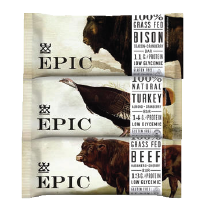
EPIC has created bars made of entirely lean animal protein, creating a new avenue to protein and a truly unique segment within a category largely focused on sweet bars.
These 100% grass-fed, paleo-friendly, gluten-free, low-sugar bars satisfy consumers’ desire for simple protein.
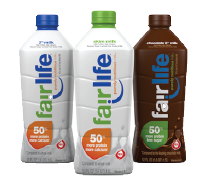
Fairlife Milk, similarly, has developed an ultra-filtered variety to offer consumers a product with 50% more protein and 30% more calcium, cutting directly to the nutritional benefits in demand. Fairlife Milk offers milk concerns a fortified, premium milk product.
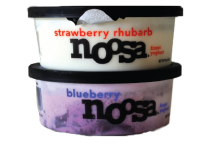
Finally, Noosa Yoghurt has introduced an Australian yogurt to a category dominated by Greek, offering the same pure protein punch, but with a different take on texture and flavor.
These three brands offer products with a higher concentration of protein per serving but with few unnecessary extras, appealing to the demand for a simple, potent protein source.

Presence at retail is crucial to driving brand awareness and conversion. We like to say Challenger brands are made at retail, both brick & mortar, and online.
Today’s most promising up-and-comer brands have leveraged packaging innovation, strategic shelving, and stores-within-stores to ensure they stand out in both incubator and mainstream channels.
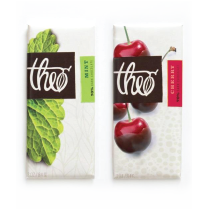
Theo Chocolate uses white packaging to differentiate its products within the busy chocolate set. The brand is usually shelved at eye-level, further increasing its ability to attract shoppers’ attention while they browse. Theo Chocolate’s white packaging stands out at shelf.
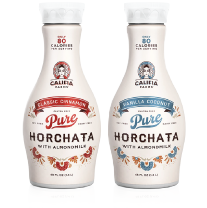
Similarly, Califia Farms, which uses uniquely shaped bottles, is more likely to disrupt shoppers as they approach the milk and dairy alternative set. Califia Farms’ pear-shaped bottles break up the shelf and draw the eye.
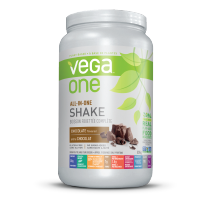
Vega has succeeded in standing out within the e-commerce world.
Beyond unique packaging, the brand has successfully developed a Vega Store within Amazon.com, setting themselves apart from other powdered nutrition brands sold on Amazon. Whether online or offline, consumers are more likely to notice and be drawn to more unique packages and displays. Vega’s clean, well-designed Amazon Store helped them build a thriving e-commerce business.
Innovation is essential to long-term success in CPG, no different from any industry. The most valuable companies are arguably the most successful innovators. Challenger Brands highlight new ways to unlock innovation in CPG, while still beginning with the consumer.
Today’s consumers, who are less influenced by traditional brand-building levers, are choosing brands that reflect their values. In turn, the Challenger Brands which we have discussed are thinking differently about their product, packaging, supply chain, and marketing to differentiate their products within a crowded CPG landscape. Despite the majority of the industry’s growth coming from Challenger Brands, many manufacturers are ill-equipped to take advantage of future growth opportunities because they are strategically, organizationally, and financially misaligned with “going small.”
Nevertheless, it is not only smaller, emerging players who can leverage this mindset. These strategies are valuable principles for any brand—small or large—pursuing success in today’s marketplace, as well as for any retailer who hopes to plan proactively for ongoing growth.
|
|
The only constant in the Consumer Packaged Goods (CPG) industry today is disruptive change. It can feel overwhelming, but we at the Seurat Group take comfort in our belief that the more things change, the more the foundation for success remains the same: it all starts with the consumer.
Brands are merely people that build trusted relationships with consumers. When established brands become misaligned and are not able to deepen relationships with existing consumers and attract new ones, an opportunity
arises for an emerging brand to fill that void.
Those brands that authentically connect with consumers’ needs, values and community can become Challenger Brands.
A brand that stimulates long-term growth by disrupting the dynamics of an established category or creating
a new one.
We believe the Challenger Brand trend will only accelerate and become the most defining and disruptive force in CPG this decade for two primary reasons:
 Larger CPG firms have difficulty orienting towards a total category approach, beyond the positioning of their established brands, to deliver against consumers’ changing expectations within a category.
 The barriers to entry for emerging brands are lessening with channel fragmentation. Retailers are hungering for new growth and greater resources available to build these brands
The goal of this year’s study is to celebrate the brands that are poised to emerge as Challenger Brands this decade and to illustrate the behaviors and practices that allow them to do so.
We believe within every brand lies a Challenger opportunity and we hope this study allows our clients to unlock their Challenger within.
This year’s study again draws upon our network of industry experts, from manufacturers and retailers to brokers and distributors, and our deep experience across categories. The big changes in this year’s study are twofold:
 Our Top 10 Challenger Brands are, on average, smaller in revenue size than the brands featured last year, reflecting our belief that Challenger brands ‘get it right early’ with proof of concept and execution occurring within channels and regions.
 Our Challenger Brands are found across the store, unlike last year’s brands, which were primarily focused in Food and Beverage. This demonstrates that disruption is not category specific; rather, every category is subject to disruption.
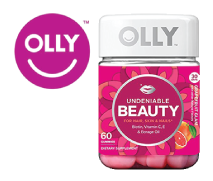
Olly’s bright, simple packaging with focus on consumer-friendly benefits (e.g., Sleep, Beauty, Bones) in a disruptive brand block at shelf allows it to break through amongst a sea of confusing, “scientific” vitamin brands, categorized alphabetically at shelf.

While many brands and retailers are hesitant to talk about ingredient safety, Beautycounter has brought the issue front and center. Bypassing traditional retail in favor of direct to consumer sales, Beautycounter sets itself apart by publishing and sticking to its “Never List” – a list of ingredients never found
in their products.

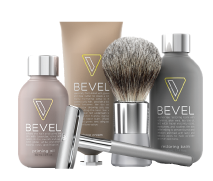
Walker and Company’s mission is to make Health and Beauty simple for people of color. The Bevel Shave System, their first line, established a strong presence online, and is now launching into Target stores. Riding this multi-cultural wave, the brand is positioned to enter multiple segments to better cater to needs experienced by people of color.
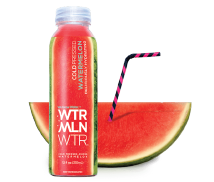
Already making a splash with A-list celebrities, WTRMLN WTR is exploiting a new segment of the cold-pressed juice category with their raw, electrolyte and vitamin filled watermelon juice. The brand uses “damaged” melons from family owned farms, allowing farmers to make a profit from what would have previously been wasted and appealing to consumers’ needs for sustainable and traceable brands.


Similar to non-dairy alternatives, the potential of great tasting, plant-based meat alternatives in the traditional meat case is significant. The brand has aspirations to improve human and environmental health, and animal welfare by bringing meat-free to more consumers for more occasions.
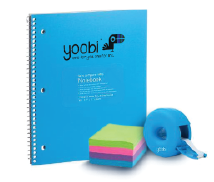
With support from celebrity-investor Usher and expertise from Yes To founder Ido Leffler, Yoobi is disrupting the Arts & Crafts supplies space with its “Buy 1 Give 1” model and emphasis on continually introducing fresh, fun designs.
While our Top 10 Challenger Brands play across different spaces, they all share similar behaviors and practices that form the algorithm to accelerate growth.
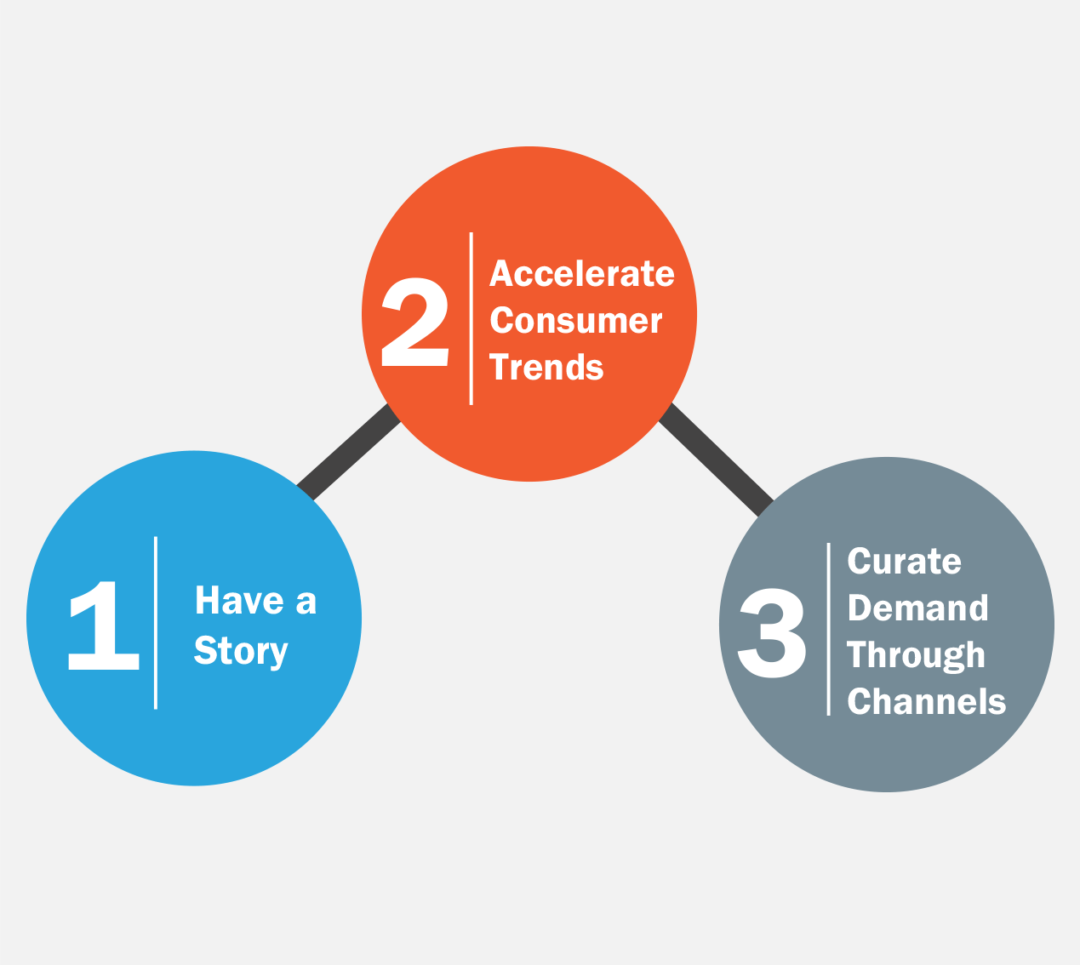
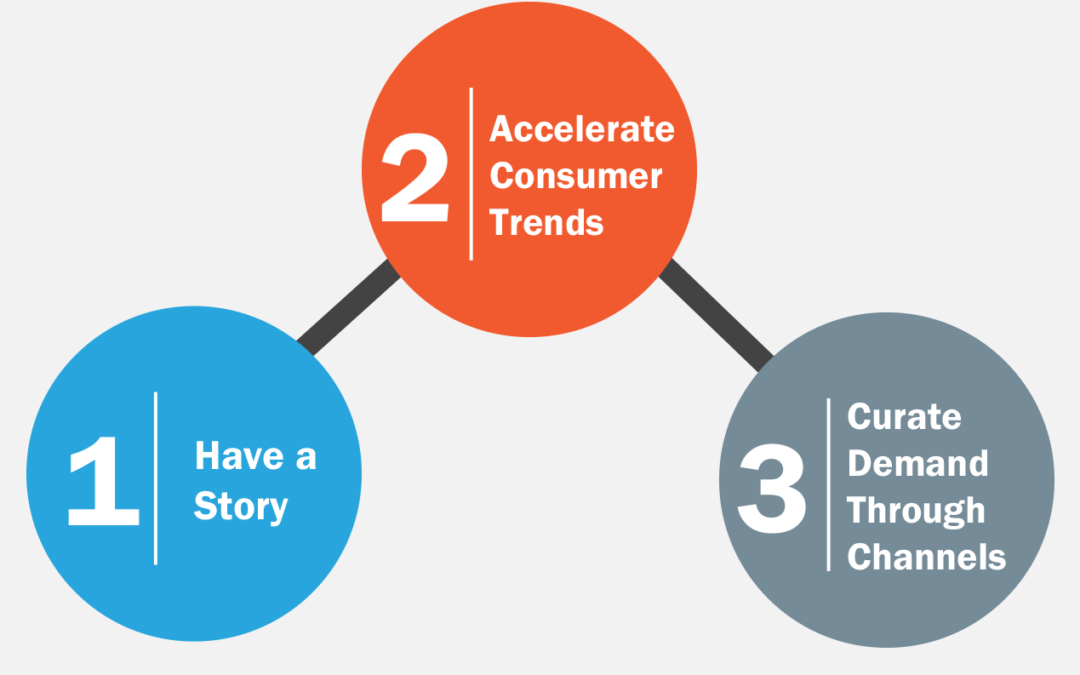
We call this algorithm the Challenger Brand Accelerator curve, and have summarized each step using examples from our Top 10 Brands.
While each step is critical by itself, challenge-worthy growth occurs when they all work together seamlessly to change consumer dynamics and truly disrupt an established category.
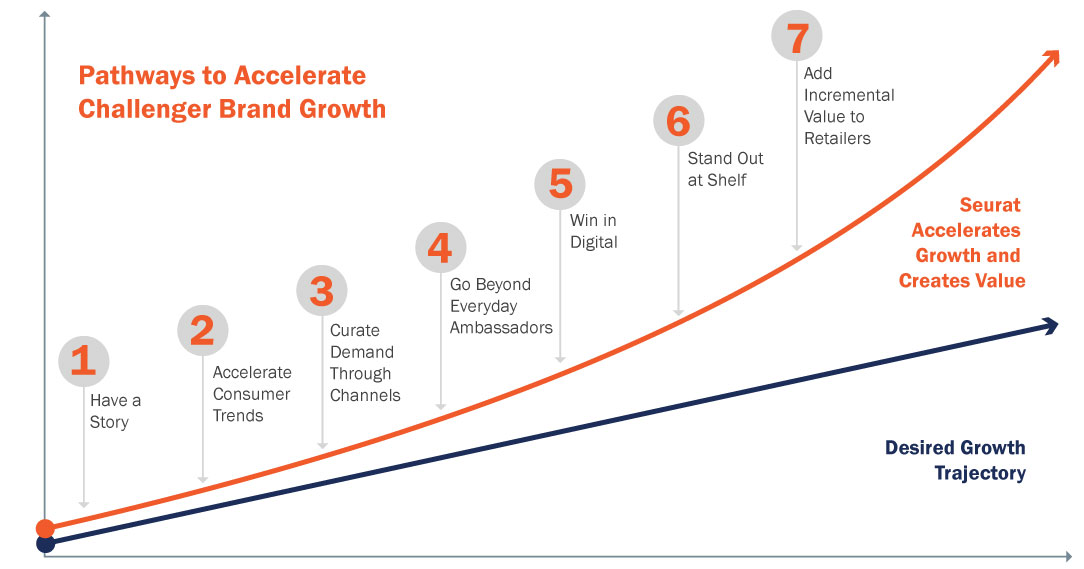
 HAVE A STORY:
Communicate a compelling, differentiated ‘reason for being’ that authentically connects with your target consumers’ needs, values and communities.
 ACCELERATE CONSUMER TRENDS:
Aggressively innovate against growing consumer trends; or simply put, pour gasoline on what’s working rather than trying to fix what is not.
 CURATE DEMAND THROUGH CHANNELS:
Manage channels with a view towards the demand landscape, specifically using incubator channels as a marketing vehicle to build one-to-one relationships with your target consumers.
 GO BEYOND EVERYDAY AMBASSADORS:
Embrace and continuously invest in category influencers to create a tribe of ambassadors leading a groundswell movement for your brand.
 WIN IN DIGITAL/E-COMMERCE:
Over-invest in ecommerce, digital, and social to establish “proof of demand” and build a platform for consumer education, insights, and engagement that cascades across the demand landscape.
 STAND OUT AT SHELF:
Ensure that your brand has stopping power and communicates your “story” at shelf; most consumers will meet Challenger brands at retail.
 CURATE ADD INCREMENTAL VALUE TO RETAILER:
Help retailers drive differential category growth and achieve their strategic goals in order to increase retailer engagement to brand plans.

Beautycounter sets itself apart from other cosmetics and personal care brands via their intense and clear focus on ingredient safety. They position themselves as pioneers of safe ingredients by providing educational resources, conducting proprietary research, and prioritizing organic, natural, and plant-derived ingredients.

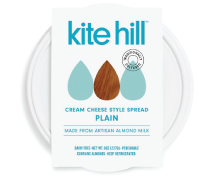
Though the dairy-free milk category has been disrupted hugely over the past several years, kite hill takes it a step further by expanding that successful trend into other dairy segments such as yogurt, cream cheese, and cheese spreads that have been less of a focus for recent dairy alternative entrants.

Sir Kensington’s built the buzz around their brand by becoming the condiment of choice in locations like the Ritz Carlton, Bareburger, and The Spotted Pig, where the most ingredient conscious, trend-forward consumers count on finding high quality, buzz-worthy brands.

Nuun’s mission is to inspire healthier, happier, and more active lifestyles. To that end, Nuun partners with over 300 athletes nationwide, ranging from amateurs to Olympians, with the end goal of inspiring others to become more active, and demonstrating that optimal hydration is a must for everyone — not just elite athletes.
Bevel’s website communicates not only their brand vision and product information, but their blog, “Bevel Code,” a resource for information on lifestyle and grooming trends, and lets them connect better with target consumers. After establishing success online with with direct to consumer sales, the brand is launching into physical Target stores.

Olly’s brand block of brightly colored, consumer-friendly benefits (e.g., “Sleep,” “Beauty”), disrupts the sea of alphabetically organized, jargon-heavy vitamin and supplement bottles that shoppers are accustomed to seeing in the aisle today.

Yoobi’s “Buy 1 Give 1” model provides a dual benefit to retailers; first, by driving socially conscious shoppers to trade up from less expensive brands, and second, by creating a halo effect where retailers benefit from being seen supporting socially conscious brands.
No matter the size of the brand or position in a category, true revenue growth is available by unlocking the Challenger within. Take a category approach to identify where and how to deepen relationships with existing consumers and attract new ones by authentically connecting with consumers’ needs, values, and community.
Though the brands celebrated here are younger in their growth trajectory, we truly believe that every company should consider these brands’ lessons and growth algorithms as part of their annual planning in order to disrupt and drive new growth in their categories.
To learn more about Challenger Brands or the Brand Accelerator curve, please contact us at info@seuratgroup.com.
|
|
Today, the question at hand is how big online retail will become and how to best leverage its growth.
Thanks to technology, new retailer and fulfillment models are emerging every day. The winners in the industry will be those who can look ahead, place smart bets, and proactively lead with omnichannel solutions.
 “I do enjoy grocery shopping. I just like the selections of all the different foods you can buy and all the produce you can find. I like being able to pick up fun things off the shelf and try new types of items.”
– Shopper
 “Offline, I get to browse a physical store; online is quick and specific.”
– Shopper
 “I use online shopping for items I know very well and can wait for, offline for everything else.”of items.”
– Shopper
 “With online shopping you have to trust the quality of the goods you’re buying based on the merchants’ reviews versus offline shopping where you can actually see the quality of the goods you’re buying.”
– Shopper
 “Going to a physical store lets me choose the items I want myself.”
– Shopper
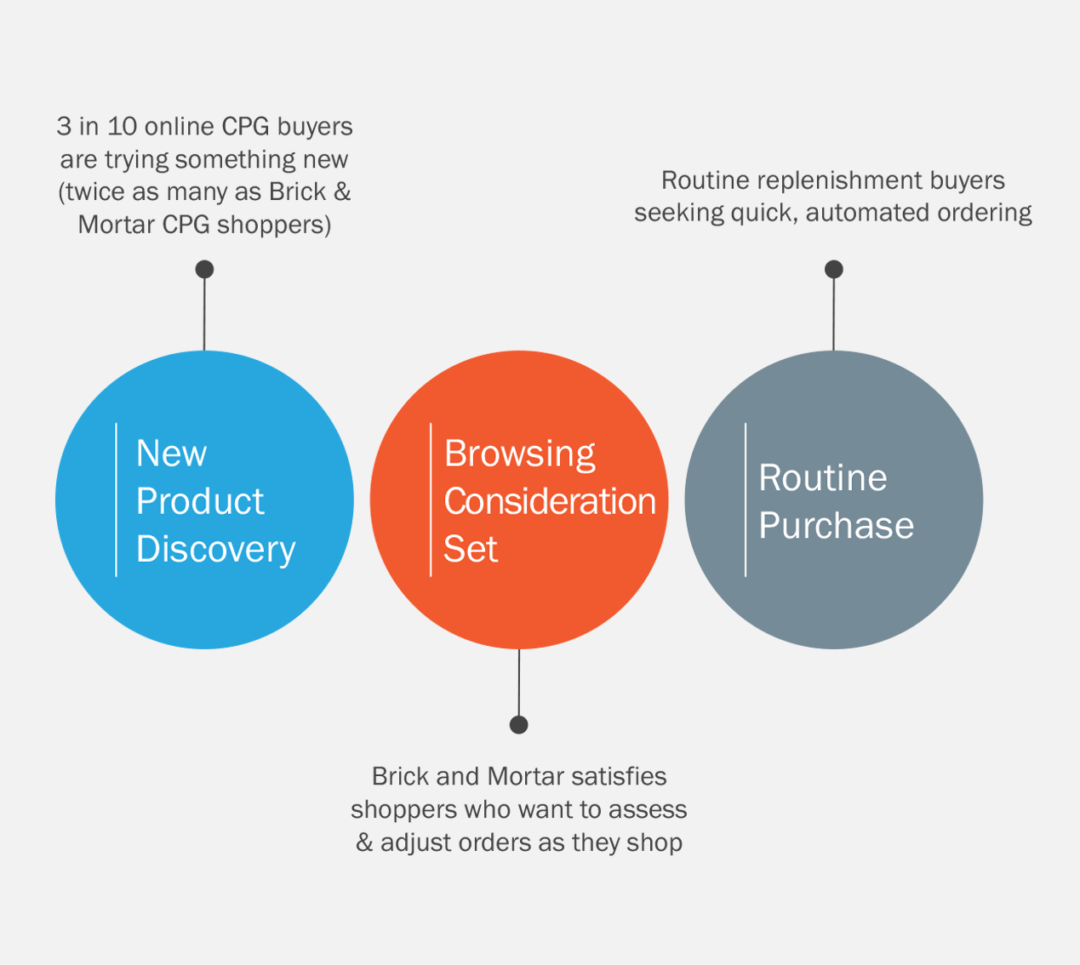
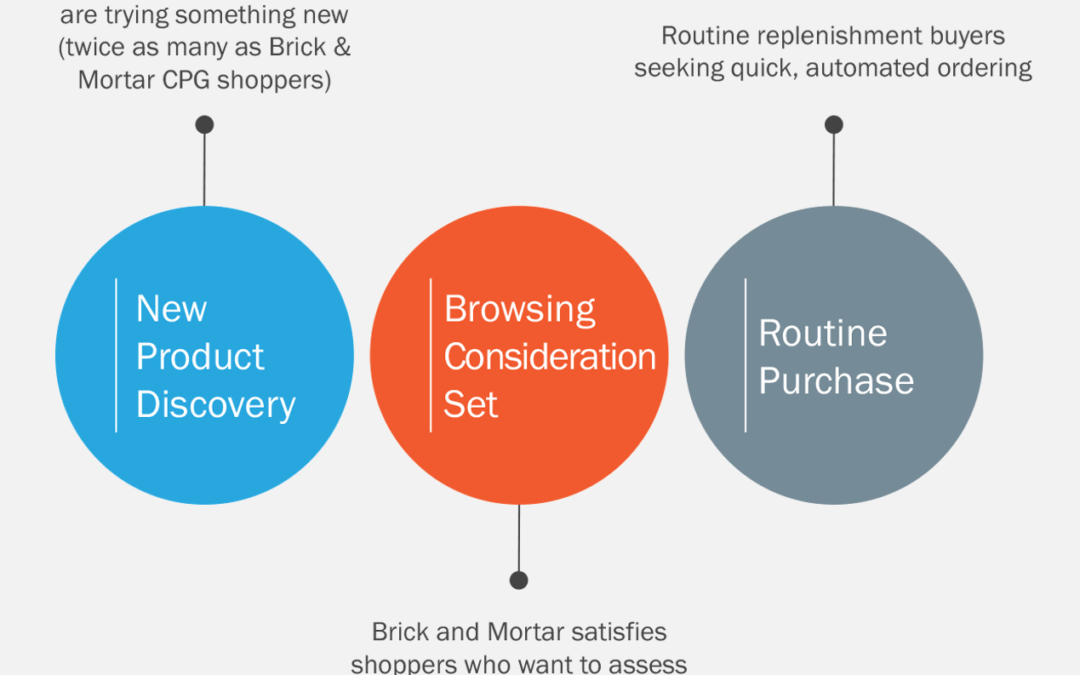
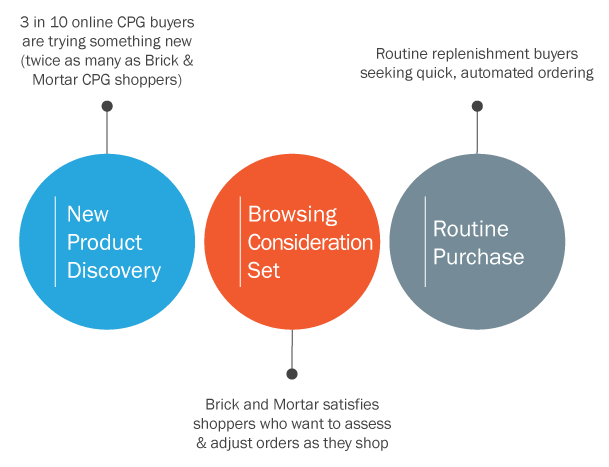
The omnichannel landscape will continue to evolve as brick & mortar and ecommerce retailers adjust their strategies to best meet shoppers’ needs for urgency, product exploration, and product selection.
Our work consisted of two phases of in-depth research:
The page you requested could not be found. Try refining your search, or use the navigation above to locate the post.
|
|
Fresh has a massive untapped upside online, but Amazon’s “be everywhere, sell everything” model is misaligned with shoppers’ distinct needs for an inspiration-driven online grocery experience in this space.
Amazon will need to re-orient their search-driven strategy to exploit the online fresh opportunity. The Whole Foods acquisition enables this re-orientation around a curated browse, helping consumers discover products similar to the in-store experience.

Fresh has a massive untapped upside online, but Amazon’s “be everywhere, sell everything” model is misaligned with shoppers’ distinct needs for an inspiration-driven online grocery experience in this space.

Fresh has a massive untapped upside online, but Amazon’s “be everywhere, sell everything” model is misaligned with shoppers’ distinct needs for an inspiration-driven online grocery experience in this space.
Featuring* yesterday’s products to fulfill today’s needs 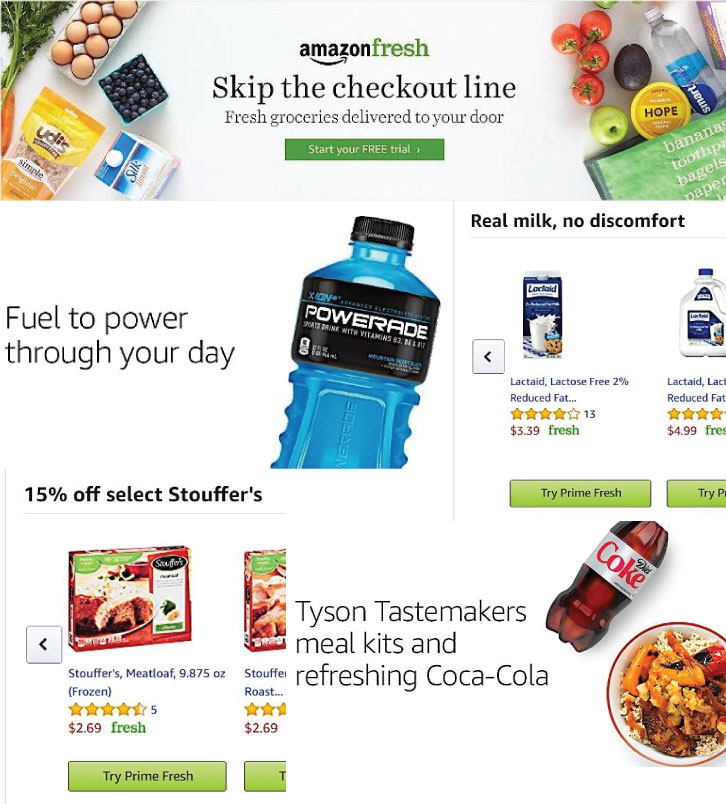 *Featured products, AmazonFresh 6/16/17 2
Featuring* yesterday’s products to fulfill today’s needs 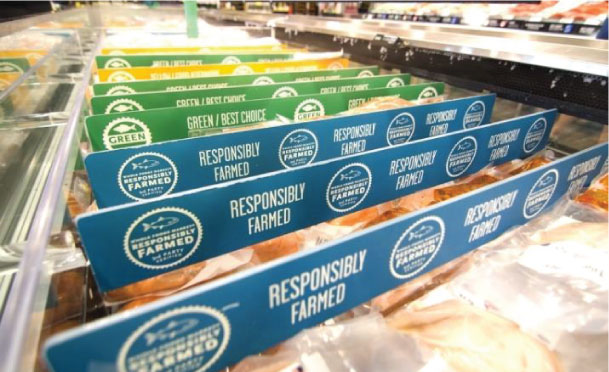
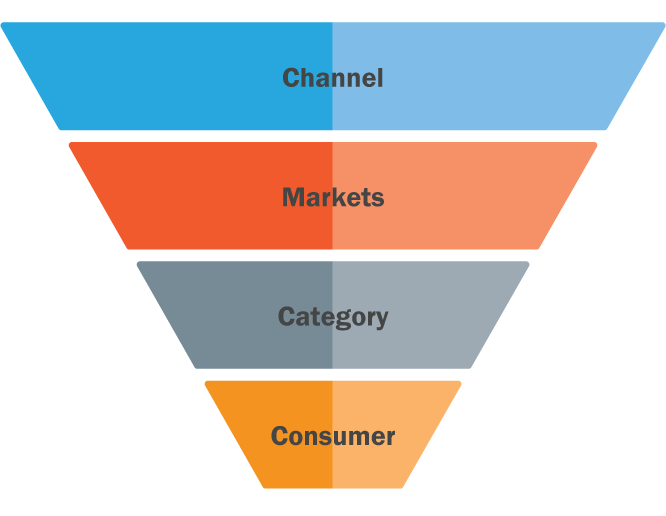
Amazon was beginning with their superior online supply chain and platform, going broad to attract today’s AmazonFresh consumer.
Acquisition of Whole Foods provides an opportunity to flip the AmazonFresh pyramid. Whole Foods gives access to a wealth of consumer insights and data that has been kept secretive and reveals forward-looking CPG trends.
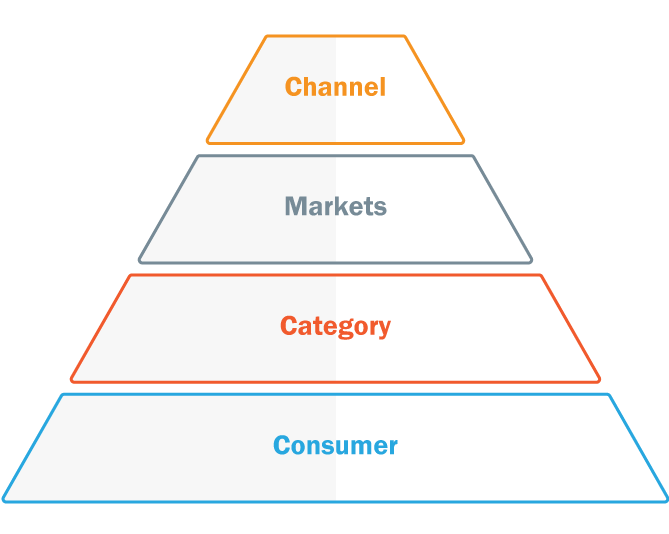
If Amazon replicates what Whole Foods has done best in store for online grocery, manufacturers should anticipate the following changes:
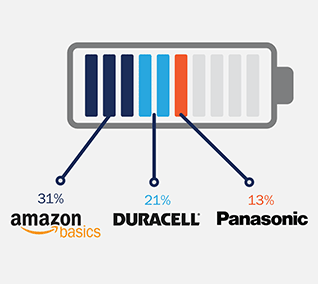
Trusted in fresh foods, Whole Foods 365 brand has the opportunity to transform fresh categories online in the same way that Amazon did for batteries, accelerating Private Label trend.
Shift in focus towards navigation and solution centers versus search, optimized for the Consumer Decision Tree of Digital Natives.
Curation of brands offered online, with a focus on fresh, local and experiential Challenger Brands with clean, healthy credentials.
Expansion of grocery and non-grocery Amazon delivery capabilities through Whole Foods real estate footprint.


|
|

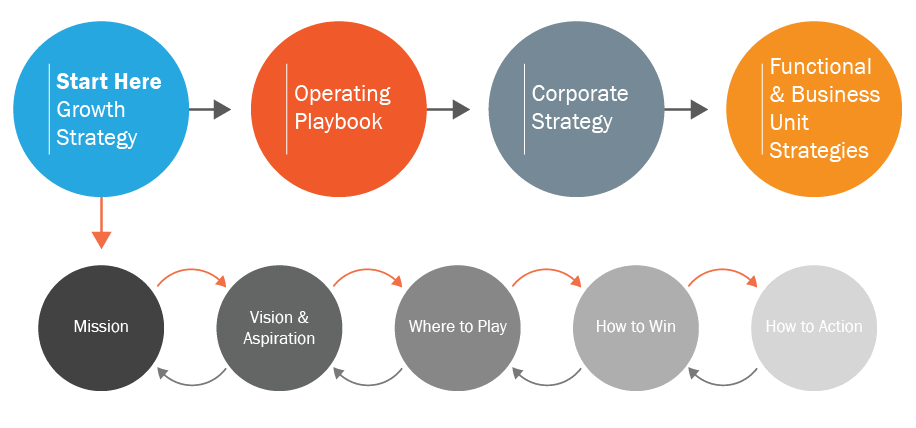







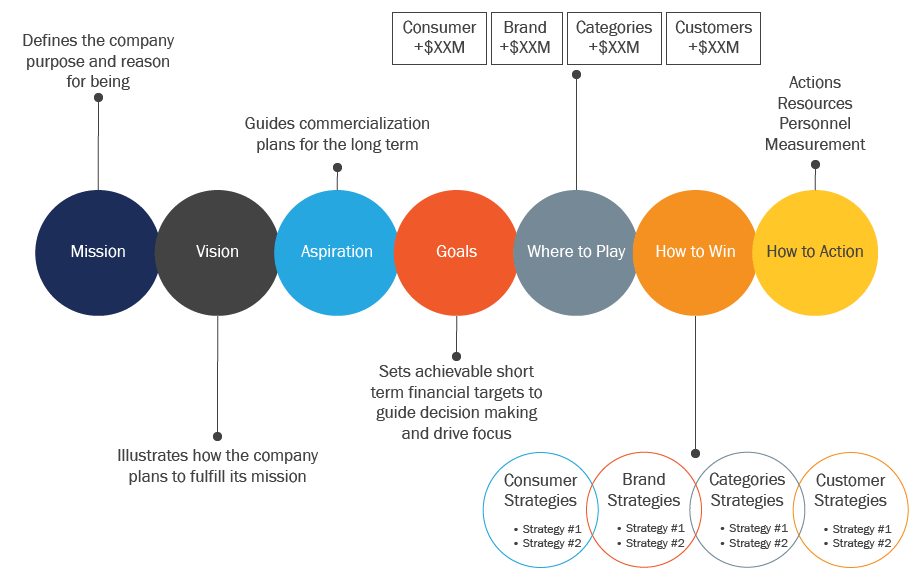
As the consumer goods industry continues to evolve and becomes more competitive due to new entrants, new selling platforms, and new technologies, growth remains the #1 challenge and goal. Building a successful long range plan that guides the organization’s activities requires thoughtful choices led by a robust fact base — failing to plan is planning to fail. First things first, do you have a successful growth strategy? We at the Seurat Group recommend following the 5 Point Plan outlined in the prior pages to challenge the strategic planning process and to use planning as the tool to be an industry leading growth company.

Recent Comments