2022 Challenger Brand Paper: Gen Z Disruptors

2022 Challenger Brand Paper: Gen Z Disruptors

2022 Challenger Brand Paper: Gen Z Disruptors

While youth have always been at the forefront of defining and shaping trends in society, members of Gen Z are particularly unique in their influence. Gen Z is the most diverse (racially, ethnically, orientation & otherwise) generation in our country’s history, and they’re experiencing the world in one of its most tumultuous forms. Gen Z knows a world of tech reliance, political & social tension, and the stark realities of living in a global pandemic, all shaping the way they influence us today.

Gen Z raises the bar – they are steadfast in their values and expect more from all facets of their world, making what they expect from brands no different. They look for brands to not only reflect their values in mission, but also seamlessly be a part of places they frequent most – different interfaces across the digital sphere. This generation was uniquely digitally reliant & native even prior to the pandemic, and COVID-19’s impact on our whole society’s digital fluency has only solidified & strengthened Gen Z’s positioning as leaders in this realm. For Gen Z, integrated shopping (& brand marketing) across in-store and digital touchpoints has become table stakes, and their dexterity in the digital landscape has given any brand who can harness this authority, authentically, unprecedented power with this consumer & generations beyond. Furthermore, the spending power of Gen Z is second only to Millennials, closing in on $150B despite these shoppers being 24 and under.

Brands that can be part of Gen Z’s lifestyle command significant value across categories, evident by recent acquisitions of challenger brands that target younger consumers by category-leading strategics (e.g., Youth to the People (L’Oreal)).

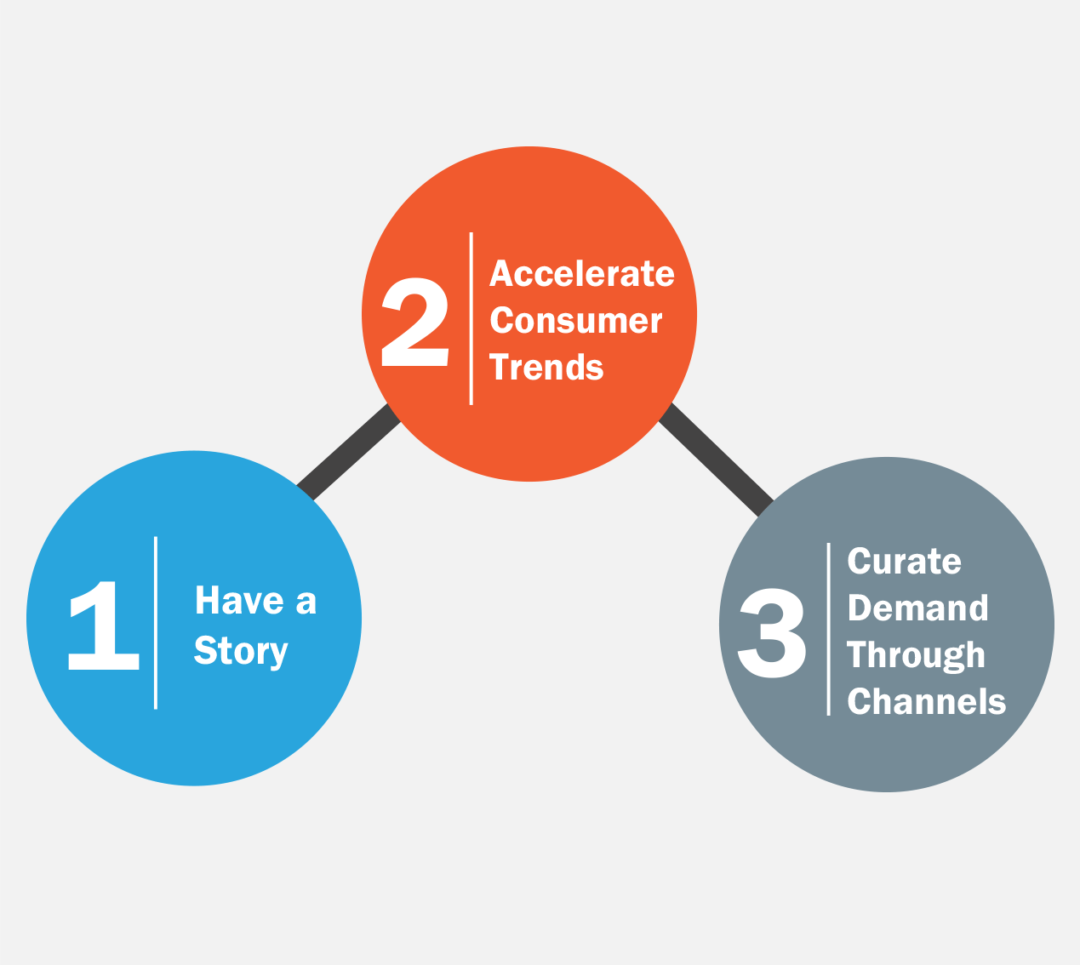
This year’s Challenger Brand paper introduces 3 key strategies on how to win with the Gen Z consumer and identifies brands who have successfully adopted these strategies.
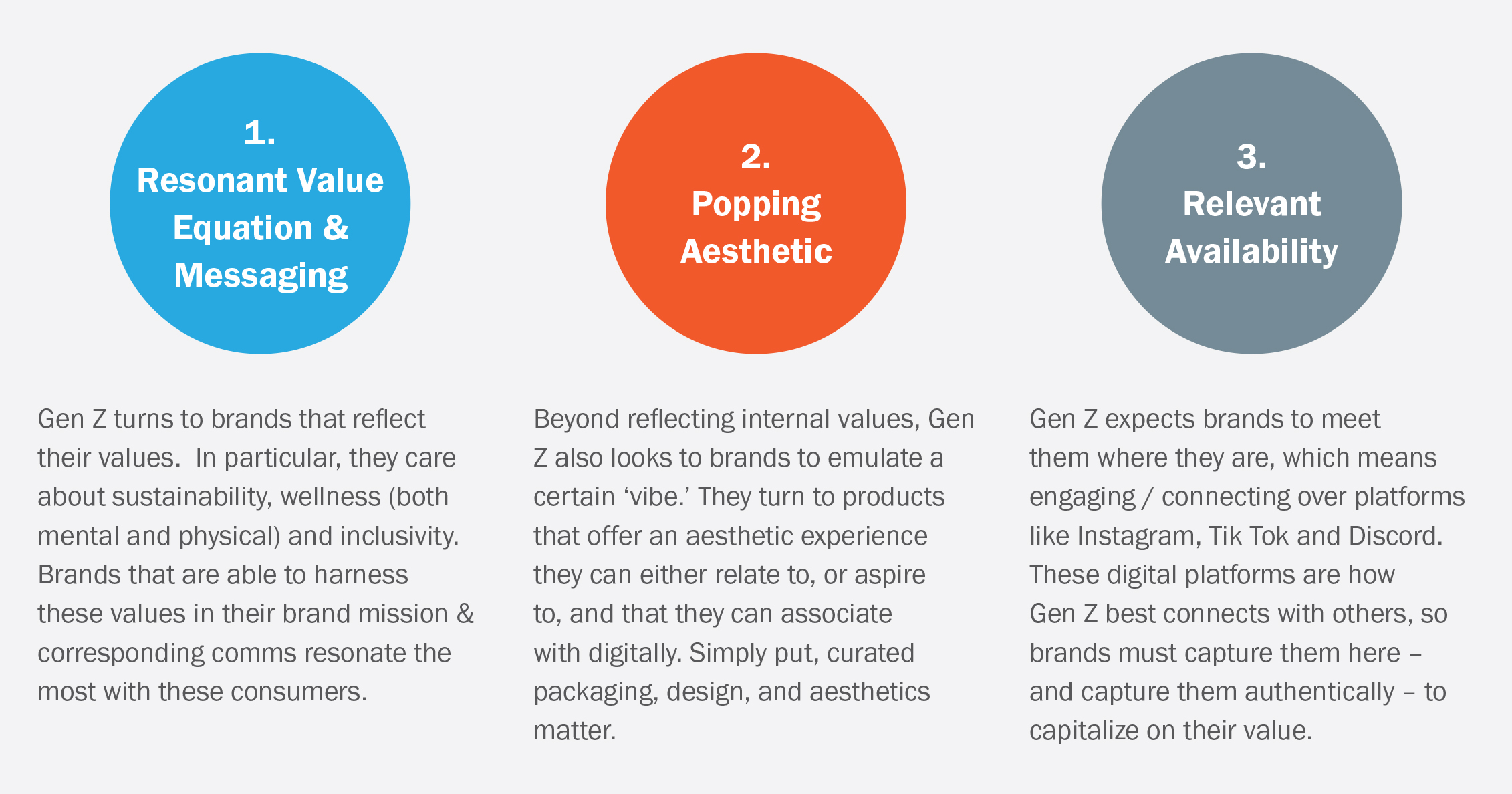
Challenger Brands that have successfully employed these tactics to become Gen Z Disruptors:
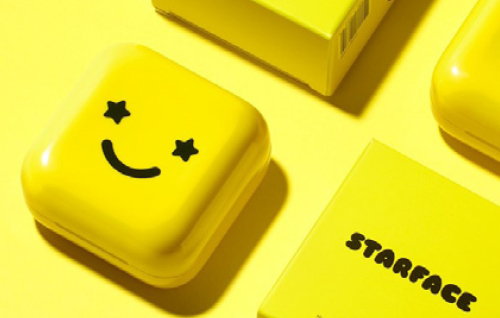
1. Starface: Starface makes skincare fun & is most popular for their star shaped pimple patches. They celebrate youth, make treating acne ‘cute’ & whimsical vs. stigmatized & shameful, and provide an avenue for self-expression. Search #Starface on IG and see teens & adults proudly dawning pimple patches in selfies, even Hailey Bieber.

2. Parade: Inclusive underwear brand Parade brings “unreal comfort” in “expressive basics” to all, promoting sustainable fabrics (with popping colors!) and social good. Parade is a timely entrant to the market, explicitly looking to compete and push out the category incumbents promoting a certain ‘look’ and size as the desired standard vs. loving each individual as they are.

3. Liquid death: Founded by a former punk & heavy-metal band member, Liquid Death brings interesting and provocative marketing to an age-old category – water. Liquid Death’s canned water offer leverages TikTok, partnerships with Gen Z influencers like YouTube’s Cody Ko, and even a joint Netflix campaign to get word out on their visually edgy, sustainable business model focused on plastic reduction & 10% profit give back.

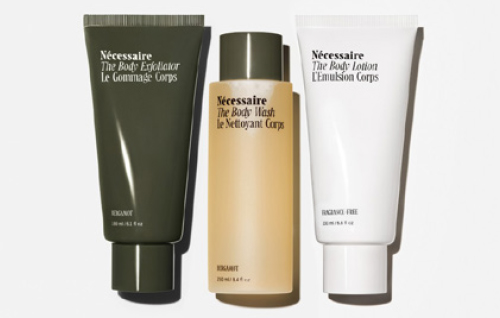
4. Necessaire: Personal care company Necessaire knows what they bring to the table: spa-like aesthetics, subtle, but luxurious products in smell & texture, and a clean, responsible footprint (climate & plastic neutral, clean / vegan formulas, donations per sale). Put this all in a targeted social media strategy that creates buzz & desire to associate oneself with the brand, and Necessaire has taken the ‘Instagram brand’ trope & flipped it on its head.

5. Colourpop: Incubated by the same company that launched Kylie Cosmetics & KKW Beauty, Colourpop consistently outpaces its ‘celebrity-founded /backed’ social competition on digital engagement. Why? Colourpop democratizes beauty in a way that high spend luxury brands don’t, and bets on the social sphere in a way that makes Gen Z gravitate to this ‘new wave’, ‘fast beauty’ brand.

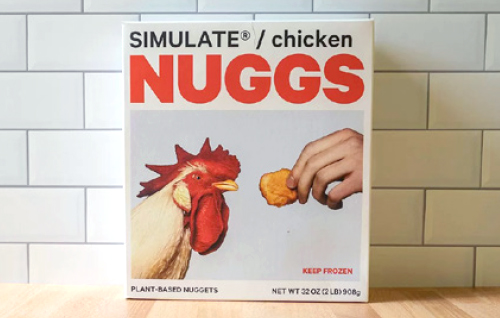
6. Simulate/NUGGS: Plant-based chicken nuggets done right. Take a resonant value equation (plant-based, high taste) & pair it with a social savvy-ness & edge unique in the F&B space and get Simulate – a tech forward ‘chicken’ nuggets brand (NUGGS) looking to go viral and eliminate factory farming. With packaging emulating more ‘fashionable coffee-table book’ than frozen food box, and product pictures that could be out of a Vogue editorial, look to Stimulate to standout as the brand continues to expand from DTC to brick & mortar.

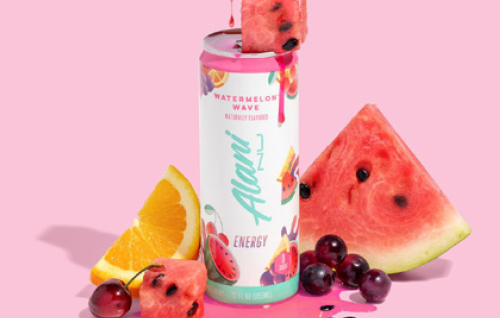
7. Alani Nu: Disrupting traditional energy drinks & historical male-centric targeting, Alani Nu’s brand positioning invites all consumers into the space with cleaner, less harsh options in both ‘vibe’ and nutrition (no sugar, added vitamins). Their most recent partnership with Addison Rae exemplifies the brand’s direction: bubbly Gen Zers who want more energy in a fashionable, permissible & cool way, removing any stigma traditionally associated with the space. Founded in 2018, the brand has reached nearly 800k IG followers in just a few years.

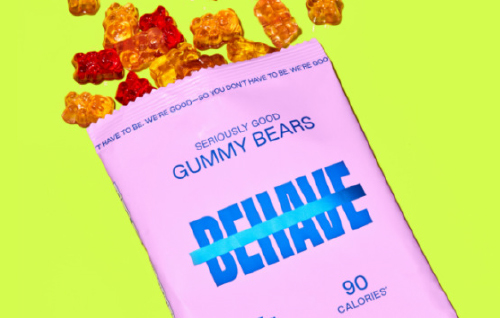
8. BEHAVE: Woman-launched in 2020, BEHAVE is one of the newest entrants to the candy category looking to tackle traditional sentiments towards ‘bad’ foods head on – each package of better-for-you gummies (just 3g of sugar, with 6g of protein) has an all caps BEHAVE crossed out, a nod to more positive attitudes surrounding sweet indulgences. BEHAVE brings competition to the otherwise un-challenged BFY gummy space dominated by Smart Sweets. Bolder messaging & a more accepting POV makes this F&B brand one to watch.
By employing these 3 strategies above, category-leading, established brands can authentically connect with this cohort, too. Recent examples of stalwart brands that have expanded their consumption target to appeal to Gen Z include:
Making a concerted effort to win with Gen Z will expand a brand’s market, growth, and enduring value. We’ve identified three strategies that challenger brands have successfully employed that can translate to companies – large & small – to reach audiences of all ages. As always, we want to hear from you! If you’d like more information on any of our challenger brand studies, or want to share a brand of your own, please reach out at info@seuratgroup.com.
Challenger Brands: A Look Back, to Look Forward

Challenger Brands: A Look Back, to Look Forward

Challenger Brands: A Look Back, to Look Forward

Over the years, Seurat Group’s Challenger Brand studies identified many practices of winning Challenger Brands. However, one characteristic rises above the others among successful Challenger Brands, which is a relentless drive to delight the consumer. This is the secret sauce a challenger utilizes to develop and provide a unique and compelling value proposition to consumers. Today, we step back to highlight two brands from previous Challenger Brand studies that distinguished themselves by delighting consumers in ways overlooked by traditional brands. We see this process play out time and again as Challenger Brands are founded and flourish in categories where incumbents become disconnected from the needs of their consumers.
NUUN

How did it all begin?

When Nuun was founded in 2004 consumer attention in the beverage category was increasingly turning to the prevalence of sugar in products. Athletes in particular craved solutions that hydrated them without excess sugar and additives, but were primarily faced with choosing between traditional branded options that combined hydration benefits with high calories. By identifying this consumer tension, Nuun created a new hydration solution separating “electrolyte replacement from carbohydrates.” While they were immediately accepted by hardcore athletes, Nuun was quick to realize this healthy hydrating beverage was something that a broader universe of consumers desired. We highlighted the steps they took in our 2016 Challenger Brand study as they used everyday ambassadors to drive growth by demonstrating that healthy hydration was available to everyone – not just athletes.

What unmet consumer needs has the brand continued to solve?

Targeting recovery & rest: Nuun has continued to solve health-conscious consumers’ needs within the hydration space. In February of 2019, Nuun launched Nuun Rest. Vishal Patel, Nuun’s senior head of R&D, framed the move as a new approach to recovery products saying that a lot are “protein based.” Nuun “wanted to take a different route and include some minerals that take you in a direction of more restful relaxation.” The brand was able to stand out as they zeroed in on specific product benefits their consumers were drawn to. Nuun continued this theme of distinct and purposeful product delivery in 2021 when they sought to expand into providing its users with clean, lasting energy with Nuun Energy. Unlike many incumbent products that were loaded with long ingredient lists and excess sugar, the brand looked to offer consumers an alternative that was non-GMO verified, vegan, gluten-free and kosher. These product expansions further differentiated the brand for their consumers.

Where are they now?

Nuun recently entered into an agreement to be acquired by Nestlé later this year. The brand is a major player in the healthy hydration space and is poised for additional growth due to their continued commitment to delight the modern consumer, consistent with their “challenger roots.”

LILY’S

How did it all begin?

For generations of consumers, chocolate has been a delicious indulgence. It’s something consumers love, but many struggle with the guilt that comes after partaking in a treat. The founders of Lily’s Sweets understood this basic tension well, and the brand was created on the premise that consumers should be able to enjoy delicious chocolate without a serving of guilt. Lily’s accomplished this and stood out from other brands in the category by giving consumers a delicious sweet treat without the sugar. In our 2019 Challenger Brand study, we highlighted Lily’s for their ability to carve out a unique competitive edge. They provide an indulgent and guilt-free chocolate experience all while operating within guidelines of fair-trade certifications and by using plant-based sugar substitutes.

What unmet consumer needs has the brand continued to solve?

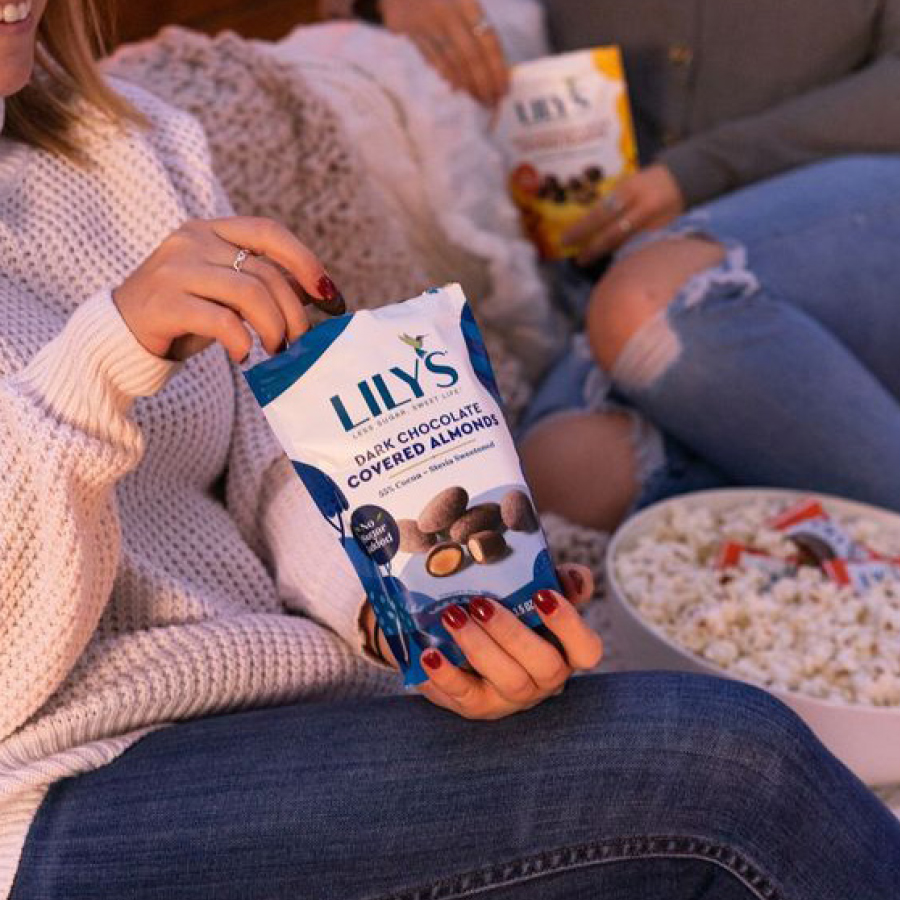
Lily’s expands the sugar reduction movement: Founder Cynthia Tice has a clear brand strategy in mind that Lily’s is, “a leader in the sugar reduction movement, here to help limit your overall sugar intake while working to give you sweets you’ll obsess over.” COVID provided opportunities for the brand to delight consumers in new ways. As the pandemic caused the country to shut down, consumers were grazing and treating themselves at a higher rate. In fact, 46% of adults said they snacked more during the pandemic and the top driver of this was a desire for comfort. Lily’s capitalized on this trend and launched products to meet this elevated consumer need. In January of 2020, the brand launched milk chocolate caramel popcorn for those family movie nights amidst the lockdown. In June, they continued to innovate and target consumers who were increasingly baking at home, launching white chocolate and chocolate-caramel baking chips.

Where are they now?

Lily’s attention to consumer needs within the broader snacking category allowed them to branch into new occasions and reach new heights of success. The brand recently entered into an agreement to be acquired by The Hershey Company. The acquisition was an acknowledgement of Lily’s ability to delight the consumer, with Lily’s CEO Jane Miller noting that by “joining Hershey’s family of brands, Lily’s will become a platform confection brand making BFY options easily accessible to all consumers.”

By remaining relentlessly connected to the emerging needs of consumers in their categories, both Nuun and Lily’s highlight how Challenger Brands succeed and flourish when focused on that secret sauce. Do other brands come to mind that have done the same? We welcome conversation at info@seuratgroup.com.
What is Your Category Leadership Plan?

What is Your Category Leadership Plan?

What is Your Category Leadership Plan?

What has changed?

Retailers are seeking forward-looking, omni-channel insight and leadership from manufacturers to ensure they are anticipating trends and continually building category value. This means that the concept of category leadership has become democratized. No longer do you need to be ‘assigned’ category captaincy to be a valued go-to partner and ally. Being a valued partner does not rely on the size and scale of a manufacturer’s business alone.

Instead, brands of all sizes can influence omnichannel execution by leveraging a unique point of difference to drive value with consumers and unlock a win-win-win proposition (brand + retailer + shoppers). Even brands with 5% share can disrupt and earn the right to execute by leaning into their strengths and clearly articulating their joint value creation vision.

In this new democratized landscape, a new approach is required to ensure that category leadership is an integrated discipline within your total demand planning. Success depends on the manufacturer’s ability to bridge the disconnects between the current landscape and where the shopper is heading with a clearly articulated vision.

What is the new approach?
Winning commercial strategy links brand strategy to customer activation through the common language of consumer needs, starting with a proprietary view of the consumers’ definition of the ‘category’. Larger incumbents tend to define it defensively, while disruptive brands tend to view their markets through a forward-looking consumer-first lens. Having a clear, consumer-driven, and forward-looking category vision sets the organization on a course for advantage

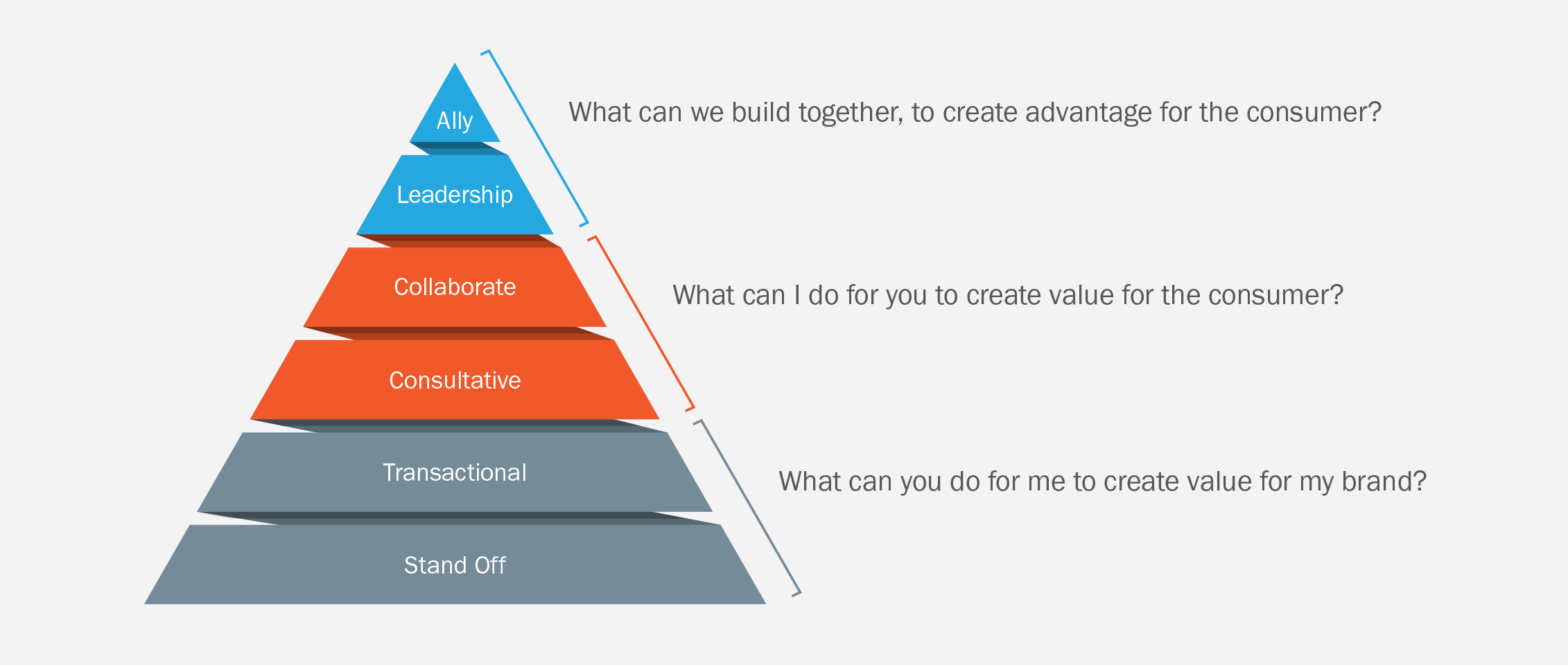
Brands that execute category leadership successfully are not just transactional sellers attempting to negotiate terms that benefit themselves. Rather, they are allies who bring perspective on how brands and retailers can both invest and act to mutually move toward a better future state.

From Transactional to Ally
Where to Begin: 5 Value Levers

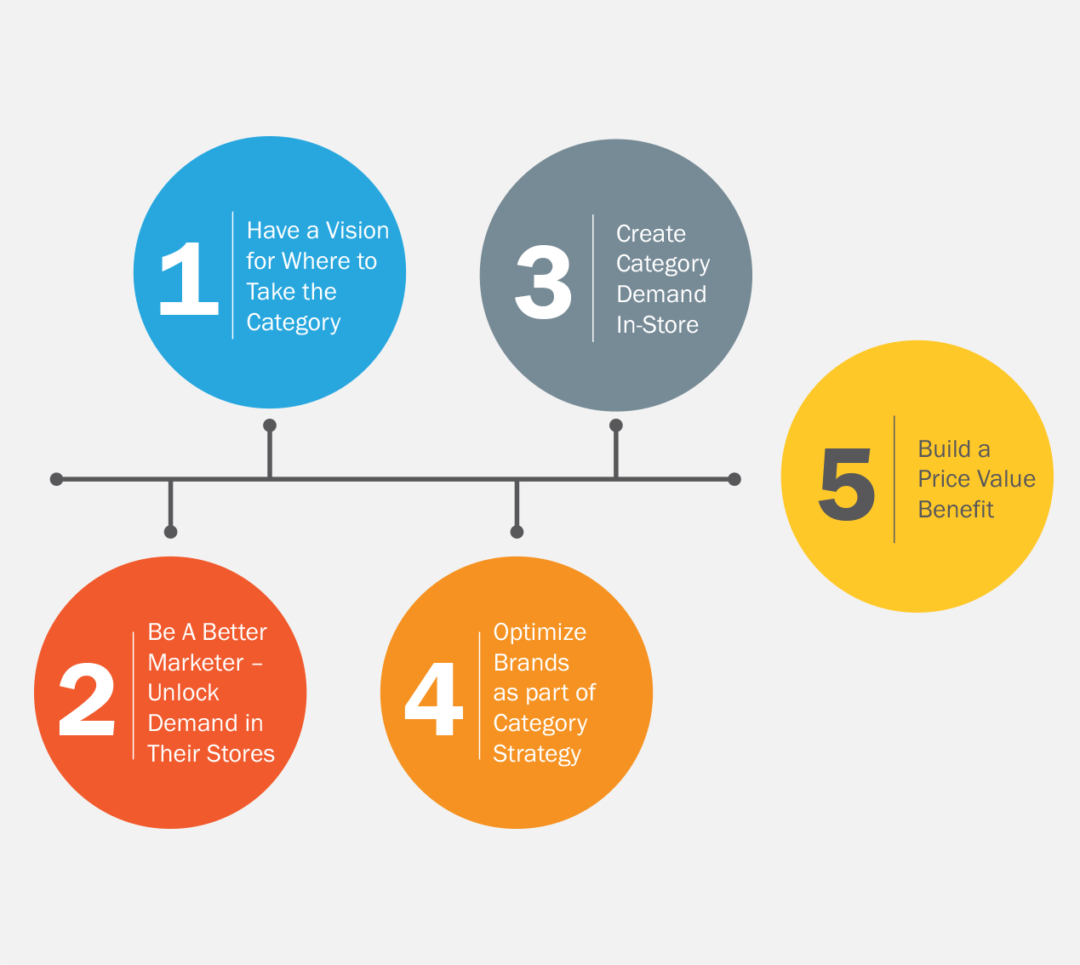
We have outlined 5 potential value levers that winning brands employ to build effective category leadership narratives with meaningful outcomes.

1. Unlock New Ways to Engage the Consumer

Brands emerge as allies when they authentically articulate who they win with, why they win, and how this translates to shared value with their retail partners. This could mean appealing to the next generation of consumers, to an under-developed or high value consumer demographic, or to owning a unique way to build consumer engagement and relationships.

The Honest Company appealed to digitally native, Next Generation moms who valued ingredients, style, convenience, and a connection to the brand’s values. Honest created intimacy with this valuable, growing segment of moms and built a portfolio that appealed to moms through their life-stages. They effectively communicated the value of their right to win with millennial moms to retailers, creating a proposition of joint value creation.

Result: CVS and Target gave Honest 8-foot shelf blocks, believing Honest could help them convert these important consumers in new, different ways, even as the brand also scaled on Amazon.

2. Reinvent Category Dimensions

Winning brands continually rethink the value dimensions of their category. Consumer-led innovation can create stronger connectivity with the end-users’ lives and create value for customers.

Even if your category is not as chic as Next-Gen baby care, it does not need to be boring!

Decades ago, the trash bag category focused on purely functional benefits (i.e., doesn’t break!). Glad identified significant consumer pain points, such as smell and sustainability, and expanded its line to include experiential products (scented) and sustainable products (biodegradable). This revolutionized the consumer’s view of the category and unlocked trade-up opportunities.

Result: Consumers latched onto the benefits; today, premium trash bags make up more than 70% of Glad sales. Glad maximized revenue capture and drove high-margin value for the retailers, who rewarded Glad with outsized shelf share.

3. Connect O20 (offline to online)

As more shopping migrates online, new insights around omni-shopper behaviors become increasingly vital to planning. Many shopper priorities (and difficulties) remain constant from offline to online in an omnichannel world: reaching prospective shoppers, driving conversion, and building baskets.

While winning conversion in-store has been a key imperative for years, Unilever identified cart abandonment as a key pain point for retailers and manufacturers in the Personal Care space online and devised a plan to address that unmet need.

Result: Leveraging ecommerce data, Unilever brought targeted strategies to help retailer partners smartly invest in digital media, drive larger baskets, and optimize the shopping experience for consumers.

4. Spark Shopping Excitement

Retailers look to brands to help drive traffic and engagement both online and offline. Brands that leverage their unique point of difference to create memorable, buzzworthy experiences can win outsized influence and achieve their executional priorities.

Sumo Citrus, a branded seasonal citrus varietal, has a limited window to drive volume and revenue capture for retailers.

Leveraging this scarcity mindset, they have invested behind the programs, displays, in-store support and training to create in-store theatre with dramatic, towering displays. Stores that meet certain executional criteria are eligible for their premium product for a longer season and Sumo delivers the buzzworthy displays.

Result: This alliance creates value for the consumer through a fun, shareable shopping experience; for Sumo, with a significant footprint and social media buzz; and for the retailer, through foot traffic and trade-up to a high-margin citrus product.

5. Champion Education

When a category has a high education threshold, retailers look to brands to help partner in communicating the category role and engaging the shopper.

Leverage credibility as a trusted expert and source of information to add value to consumers’ lives beyond high quality products. This can also bring value to the retailer beyond traditional demand generation to create further influence.

The Clorox Company leveraged their storied history of scientific expertise and leadership in the disinfection space to empower retailer partners to educate consumers around personal safety and hygiene during—and emerging out of—the global pandemic.

Result: Clorox was able to authentically aid their retailer partners with a growth vision that elevated value by providing information and education that inspired consumer confidence in their changing cleaning habits and choices. This unlocked value through retailer acceptance of omni-channel shopper programs and increased Clorox’s ability to influence the future planning of cleaning and disinfection categories around the globe.

Conclusion
Brands that effectively communicate their role in creating category and shopper value based on a forward-looking vision are positioned to win with retailers and, importantly, the next generation of consumers. Category leadership is up for grabs, and not just for the big players, but winning requires mapping a category vision to the entire demand plan to enable choiceful and synchronized decision making.

We welcome a discussion about what your brand’s category leadership could look like!

To discuss any of these ideas further, please contact us at info@seuratgroup.com.

Building a Repeatable Growth Model

Building a Repeatable Growth Model

Building a Repeatable Growth Model

The Repeatable Growth Model

A fundamental need for brands is articulating what they stand for that uniquely delights consumers and differentiates from competitors. As consumer behaviors and values evolve, and competition is constantly in flux, we believe it is important to revisit this foundation often. Standing apart means that brands must be instantly recognizable and top-of-mind with consumers, which is a challenge as consumers make less exploratory and more hurried trips through stores and commerce sites. To maximize the impact of potential connect points with consumers, brands must have a deep understanding and clear articulation of their unique right to win.

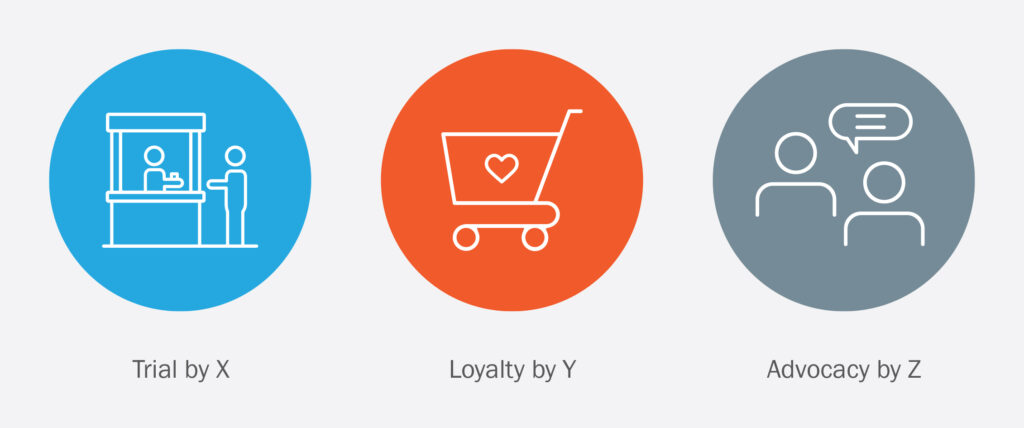
At the Seurat Group, we’ve found that brands can increase mental availability and unlock growth by building a Repeatable Growth Model – a framework that captures each brand’s core competencies and codifies how the brand captures, retains, and ultimately delights its consumers. Through the lens of the Repeatable Growth Model, brands can articulate their unique “edge” and develop strategies that improve trial, loyalty and ultimately organic brand advocacy.

Below, we lay out the components of the Repeatable Growth Model.

How It Works

A Repeatable Growth Model is a brand’s unique perpetual motion machine. A successful model leverages deep insight to identify key behavioral triggers and associated activation to draw consumers in, drive repeat purchase, and ultimately gain loyalty.

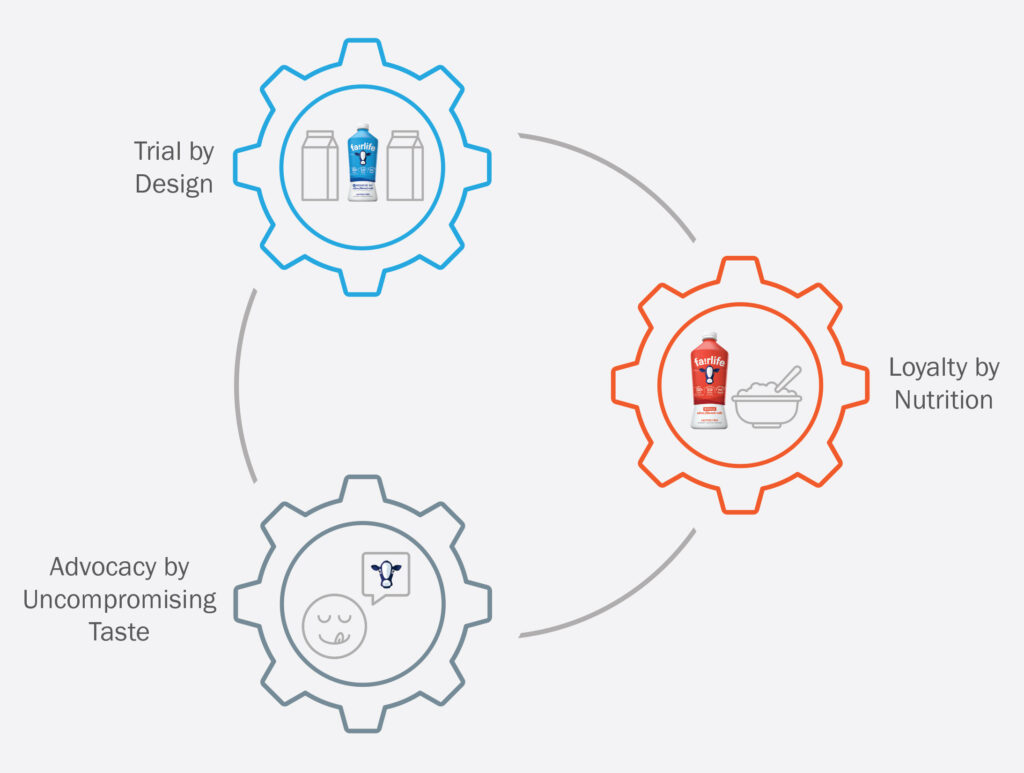
Example: Fairlife ultra-filtered milk


Trial by Design

Consumers notice the brand on shelf for its eye-catching product design in a sea of traditional milk gallons.

Loyalty by Nutrition

After trying the product, consumers are drawn to incorporate it into their daily routine for its elevated nutrition, which features higher protein and lower sugar than regular milk.

Advocacy by Uncompromising Taste

Finally, loyal consumers become authentic ambassadors for the brand, advocating it to friends and family because it offers the great taste of regular milk in a lactose-free form that removes the digestive pitfalls of dairy.

Expansion

Fairlife replicated this formula by expanding into coffee creamer and ice cream, two categories with opportunity to maintain the positive taste and texture of traditional dairy while improving on the nutrition and digestive ease of existing options.

How to Develop and Leverage the Model for Growth

Stay close to your consumer. Consumer anthropology and deep discovery are invaluable tools for a brand to reveal and articulate its “secret sauce” among consumers. It is helpful to validate the impact through additional quantitative research.

Map today and tomorrow. A model based on current consumer experiences with your brand can lay out where the brand wins today and provide opportunities to amplify what’s working, but it is also critical to recognize emerging areas your brand needs to win tomorrow. Identify and conduct research among your leading-edge consumers to identify how your brand’s model should evolve to meet tomorrow’s needs.

Understand what “breaks” the model. Equally valuable to understanding the drivers of trial and loyalty is understanding the opposite: what discourages your target consumer from trying or returning to your brand? Listening to lapsed or occasional users can identify opportunities to strengthen the model, building on strengths or addressing weaknesses to convert these consumers into loyalists.

Conclusion

Brands that have charted their Repeatable Growth Model win because they have a litmus test for their consumer strategies going forward, allowing them to communicate and innovate against the key differentiating elements of their offer. We welcome a discussion about what your brand’s Repeatable Growth Model could be!

To discuss any of these ideas further, please contact us at info@seuratgroup.com.

2021: Planning for Post-Pandemic Growth

2021: Planning for Post-Pandemic Growth

2021: Planning for Post-Pandemic Growth

From Passive to Purposeful Growth
2020 was a record year for many in the CPG industry as many categories passively benefitted from favorable growth drivers shaped by the COVID-19 pandemic. Many of these drivers – the dollar shift from foodservice back to grocery, the uptick in at-home cooking and baking, the increase in disinfecting and cleaning behavior at home and on the go – represented the largest sources of industry revenue and consumption growth. Leading brands in these spaces benefitted tremendously from this.

In 2021, these brands have the opportunity to make the increased consumer engagement and spending “stick” – that is, to delight and capture new-found consumer loyalty through this year’s demand plan choices and investments.

Proactive planning to align with large growth drivers is critical because while brands may continue to ride the wave of growth fueled by pandemic-influenced behavioral changes from last year, the shift is already part of the new baseline this year. These changes could also revert faster than anticipated, requiring companies to be out ahead of changes in consumer behavior. Brands must purposefully find the next wave(s) – or risk being left behind.

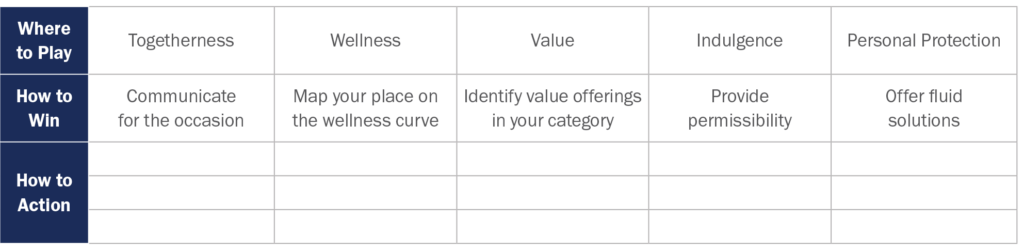
A scan of the landscape of categories and growth drivers reveals five growth drivers where we believe consumer behavior will evolve this year, and where brands should purposefully connect with consumers to capture new consumption and revenue growth. While other trends that gained traction pre-COVID will continue to emerge, such as convenience and sustainability, we focus here on the drivers that will have outsize impact after COVID-19 and therefore require brands to think differently. We recommend looking at your business through the lens of these drivers to inform this year’s annual planning cycle as outlined in the scorecard for evaluating growth strategy shifts below.

Growth Drivers

1. Togetherness

The Driver: As in-person socialization becomes possible again, consumers will place renewed value on enjoying life’s experiences together with friends and loved ones, with a desire to make these small, everyday moments of connection even more meaningful.

How to Win: Brands and retailers should partner to provide relevant solutions tailored to these new occasions, supported by communication and influence points that highlight the role of their solutions in bringing people together.

Example: The outdoor grilling occasion is positioned to expand beyond holidays and weekends into a dinner with friends and family meal replacement. With the briquet or gas grill as the centering staple, there is room for many categories to participate in creating lasting memories with family and friends through the grilling occasion.

2. Wellness

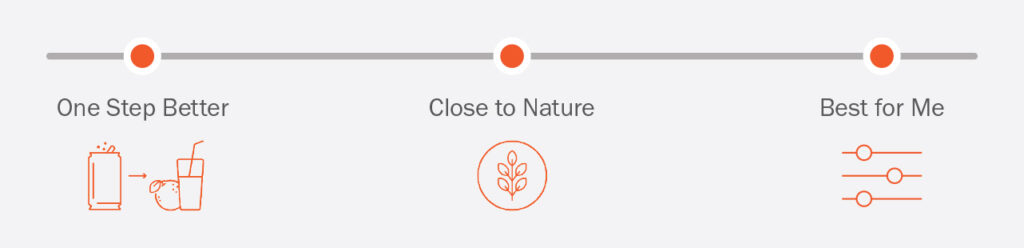
The Driver: With health and wellness top of mind for consumers, wellness has shifted away from rigid routines and toward a fluid and personalized approach. Across food, fitness and health categories, consumers are experimenting to find what works best for their bodies and lifestyles, creating a spectrum of different wellness needs. For some consumers, the priority on wellness simply means swapping in “one step healthier” alternatives, while others on the leading-edge have tapped into personalized products to optimize physical and mental health.


How to Win: Map and size where your brand plays within this wellness curve. Track your consumer target’s evolving values and behaviors to earn their loyalty as their wellness routine evolves.

Example: The sugar-free cookie segment has emerged on the “one step better” side of the spectrum, driving growth through brands that offer a tasty yet health-conscious option within a typically indulgent category.

3. Search for Value

The Driver: Consumers continue to tighten their budgets and increase their personal savings rate to prepare for financial uncertainty, forcing trade-offs in spending across the store. As a result, consumers will seek value even in traditionally ‘premium’ categories.

How to Win: Look for the space within your category where value presents dimensions that are important to a sizable segment of consumers and evaluate the potential for your brand to stretch into these spaces while maintaining premium equity.

Example: The cleaning and disinfecting category delivers across the value spectrum, with leading brands such as Clorox offering high-value propositions through their core bleach products while also stretching into premium offerings through value-added forms like sprays, wipes, tablets and tools.

4. Indulgence

The Driver: Hand in hand with the rise of personalized wellness, indulgence will become increasingly acceptable as consumers prioritize balance and happiness over strict regimens and endless sacrifice. Rather than viewing indulgence as a negative “cheat” or guilt trip to be avoided, consumers will invest in the foods, beverages, and activities that make them happy, especially those that can be shared with family and friends.

How to Win: Identify the indulgent moments to delight within your category and cater communication to emphasize permissibility.

Example: In the ready-to-drink space, new functional beverages are combining health attributes with indulgent characteristics. For example, OLIPOP’s sparkling tonic offers digestive health benefits while still allowing consumers to enjoy the indulgent taste of their favorite sodas, like root beer and cola.

5. Personal Protection

The Driver: Self-care has shifted into the consumer’s hands. Rather than simply depending on health care systems, consumers are prioritizing personal ways to maintain safety in their environments and building new routines around cleaning and disinfection that will endure beyond the current pandemic.

How to Win: Offer solutions that build peace of mind for consumers seeking protection across all facets of their lives, whether in the home or in shared spaces like public transportation and workspaces. Stand out with a creative route to market (e.g., placement in airplanes, gyms, public transit).

Example: As disinfecting behavior becomes fluid across in- and out-of-home, there is opportunity for brands to connect to the holistic need for personal safety. For example, disinfecting brands like Lysol have partnered with the hospitality and transportation industries to establish new safety protocols and place branded solutions within reach in shared spaces like lobbies and airplane seats.

Summary
It is imperative to wire your business plans from consumer growth drivers and place time, focus and money on the activities that will yield the greatest growth and return. We wish you success in the new year and hope this scorecard provides inspiration on new, purposeful avenues for growth.
Scorecard for Your Brand

Objective: Purposefully shift to where consumer behavior will trend in your spaces to participate in growth in 2021